Have you ever noticed two small indentations on the lower back, positioned just above the buttocks on either side of the spine? These subtle features, often called "back dimples" or "Venus dimples," have attracted attention for centuries. Some people consider them attractive physical traits, while others are simply curious about what causes them and whether they have any significance for health.
Despite the myths and rumors that often circulate online, lower back dimples are usually a completely normal anatomical feature. They are not a disease, a medical condition, or a sign of superior fitness. Instead, they are primarily determined by genetics and the way certain ligaments connect beneath the skin.
Let's explore what these dimples are, why some people have them, and what science actually says about them.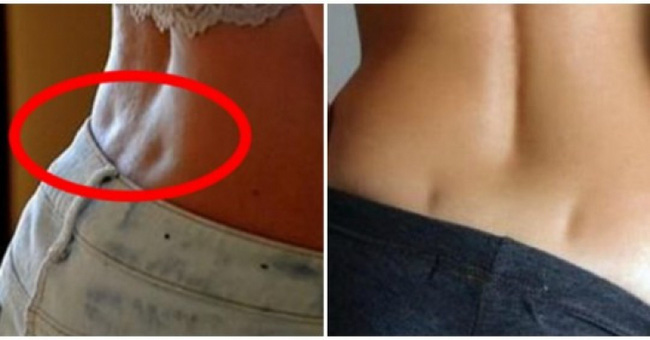
What Are Lower Back Dimples?
Lower back dimples are small indentations that appear on either side of the lower spine.
They Are Typically Located
-
Just above the buttocks
-
Near the pelvic bones
-
Symmetrically on both sides of the lower back
These dimples are often referred to as:
-
Venus dimples (in women)
-
Apollo dimples (in men)
The names come from references to classical mythology and art.
Why Do Some People Have Them?
The primary reason is anatomy and genetics.
What Causes the Indentation?
Lower back dimples occur where a short ligament connects the skin to the underlying pelvic bone.
Specifically
The skin is attached to a structure called the posterior superior iliac spine, a bony landmark located near the pelvis.
When the ligament pulls the skin inward, a visible dimple may form.
Genetics Play the Biggest Role
Whether someone has lower back dimples is largely determined by inherited anatomy.
This Means
-
Some people are born with them
-
Others are not
-
Exercise cannot create them if the underlying structure is absent
Like dimples on the face, lower back dimples are largely a genetic trait.
Are Lower Back Dimples Rare?
Not at all.
Although they often attract attention, lower back dimples are relatively common.
They Can Be Found In
-
Men
-
Women
-
Athletes
-
Non-athletes
-
People of various body types
Their visibility may vary from person to person.
Why Are They More Noticeable in Some People?
Several factors influence how visible these dimples appear.
Body Fat Percentage
People with lower amounts of body fat may have more visible dimples because the underlying anatomy is easier to see.
However
Having back dimples does not automatically mean a person is fit or thin.
Many healthy individuals without visible dimples are equally fit.
Muscle Definition
Strong lower back and gluteal muscles may sometimes make the area more defined.
But Again
Muscle development alone does not create the dimples.
The underlying ligament structure must already be present.
Individual Anatomy
Everyone's skeletal structure differs slightly.
Even among family members, dimples may vary in:
-
Depth
-
Shape
-
Visibility
Do Lower Back Dimples Have Any Health Benefits?
This is one of the most common questions.
The Short Answer
Not necessarily.
There is no scientific evidence showing that lower back dimples directly improve health.
They Do Not Automatically Indicate
-
Better circulation
-
Superior athletic ability
-
Enhanced metabolism
-
Increased fertility
Most claims linking dimples to special health advantages are not supported by scientific research.
Why Are They Sometimes Associated With Fitness?
Because lower back dimples may be easier to see in individuals with lower body fat, some people associate them with fitness.
However
The dimples themselves are not a measure of health.
A person can be:
-
Extremely healthy without dimples
-
Less healthy with dimples
Fitness and overall wellness depend on many factors beyond appearance.
The Connection to Beauty Standards
Throughout history, lower back dimples have often been considered aesthetically appealing.
Artists and Sculptors
Have depicted them in paintings and statues for centuries.
In modern culture, they are sometimes viewed as a desirable physical feature.
However, beauty standards vary widely across cultures and individuals.
Can You Develop Lower Back Dimples Through Exercise?
This is a common misconception.
The Reality
Exercise cannot create true lower back dimples if the underlying ligament attachment is not present.
What Exercise Can Do
Strength training may:
-
Improve muscle tone
-
Reduce body fat
-
Increase definition around the lower back
As a result, existing dimples may become more noticeable.
But exercise alone cannot create them from scratch.
Can Lower Back Dimples Disappear?
In some cases, yes.
Changes in Body Composition
May affect their visibility.
For Example
-
Weight gain may make dimples less noticeable
-
Weight loss may make them more visible
The underlying structure remains the same, but surrounding tissue can influence appearance.
Are Lower Back Dimples a Medical Concern?
For most adults, lower back dimples are completely harmless.
They Are Generally
-
Painless
-
Normal
-
Benign
Most people never require any medical evaluation for them.
What About Dimples in Babies?
Lower back dimples in newborns are a different topic.
Some Infant Back Dimples
May require medical evaluation if they are:
-
Deep
-
Large
-
Associated with skin abnormalities
-
Located unusually close to the spine
Healthcare providers occasionally investigate these dimples to rule out rare spinal abnormalities.
Important Note
This concern primarily applies to infants, not healthy adults with typical lower back dimples.
Common Myths About Lower Back Dimples
Myth 1: They Indicate Superior Health
There is no evidence supporting this claim.
Myth 2: Only Women Have Them
Men can have them as well.
Myth 3: They Can Be Created Through Exercise
Exercise may increase visibility but cannot create the underlying anatomical structure.
Myth 4: They Mean Someone Is More Athletic
Athletic performance depends on many factors unrelated to back dimples.
The Role of Genetics in Physical Traits
Lower back dimples provide an interesting example of how genetics influences appearance.
Other Genetic Traits Include
-
Eye color
-
Hair texture
-
Facial dimples
-
Freckles
-
Height potential
Like these traits, lower back dimples are largely inherited rather than earned.
Why People Are Fascinated by Them
Part of the fascination comes from their relative uniqueness.
They Are
-
Subtle
-
Often unnoticed
-
Not present in everyone
Because they are uncommon enough to stand out but common enough to be recognized, they continue to attract curiosity.
The Bigger Picture
Lower back dimples are a reminder that human anatomy varies naturally. Not every visible feature serves a specific function or indicates anything about a person's health. Some traits simply reflect the incredible diversity of human genetics and body structure.
Understanding the science behind these dimples helps separate fact from fiction and allows people to appreciate them for what they truly are: a normal variation of human anatomy.

Final Thoughts
Those two small dimples on the lower back, often called Venus dimples or Apollo dimples, are generally harmless anatomical features caused by the way certain ligaments connect the skin to the pelvic bones. They are largely determined by genetics and may be more visible in some individuals due to body composition and natural anatomy.
While many myths suggest they are linked to health, fitness, or special abilities, scientific evidence does not support these claims. Instead, lower back dimples are simply one of many unique physical characteristics that make each person different. Whether visible or not, they are a normal and fascinating example of how genetics shapes the human body.