Cloves are one of the world's oldest and most valued spices. Known for their warm aroma and distinctive flavor, these small dried flower buds have been used for centuries in cooking, traditional medicine, and even oral care.
Native to Indonesia, cloves are now widely used throughout Asia, Africa, Europe, and the Americas. Beyond their culinary appeal, cloves contain several bioactive compounds that have attracted the attention of scientists studying their potential health effects.
While cloves are not a miracle cure, research suggests they may offer a variety of benefits when consumed as part of a balanced diet. Let's explore what cloves are, how they work, and what current science says about their potential health-supporting properties.
What Are Cloves?
Cloves come from the flower buds of the clove tree (Syzygium aromaticum).
Before blooming, the buds are harvested and dried until they develop their characteristic dark brown appearance.
Cloves are available in several forms:
-
Whole cloves
-
Ground clove powder
-
Clove essential oil
-
Clove extracts
Their strong aroma comes primarily from a compound called eugenol.
The Nutritional Profile of Cloves
Although cloves are usually consumed in small amounts, they contain various nutrients, including:
-
Manganese
-
Vitamin K
-
Fiber
-
Calcium
-
Magnesium
-
Potassium
However, most of their potential health effects are attributed to their plant compounds rather than their vitamin content.
Eugenol: The Star Compound in Cloves
One of the most studied compounds in cloves is eugenol.
Why Researchers Are Interested
Eugenol has demonstrated:
-
Antioxidant activity
-
Anti-inflammatory properties
-
Antimicrobial effects
These characteristics help explain why cloves have been used in traditional wellness practices for generations.
Potential Benefit #1: Rich in Antioxidants
Cloves are considered one of the richest natural sources of antioxidants.
What Are Antioxidants?
Antioxidants help protect cells from damage caused by free radicals.
Free radicals are unstable molecules produced by:
-
Normal metabolism
-
Environmental pollutants
-
Smoking
-
UV radiation
-
Chronic stress
Why This Matters
Oxidative stress has been associated with:
-
Aging
-
Cardiovascular disease
-
Chronic inflammation
Antioxidant-rich foods may help support overall health.
Potential Benefit #2: Supporting Oral Health
Cloves have long been associated with dental care.
Traditional Uses
Historically, people have used cloves to help manage:
-
Tooth discomfort
-
Gum irritation
-
Bad breath
Modern Applications
Eugenol is still used in some dental products because of its soothing properties.
Important Note
Cloves should not replace professional dental treatment when dental problems occur.
Potential Benefit #3: Supporting Digestive Health
Many traditional medicine systems use cloves to promote digestive comfort.
Possible Benefits
Some people use cloves to help with:
-
Indigestion
-
Gas
-
Bloating
-
Digestive discomfort
Why They May Help
Researchers believe certain compounds in cloves may influence digestive processes, although more studies are needed.
Potential Benefit #4: Supporting Liver Health
Scientists have investigated whether compounds found in cloves may help support liver function.
Research Findings
Some laboratory and animal studies suggest antioxidant compounds in cloves may help protect liver cells from oxidative stress.
Human Research
More high-quality human studies are necessary before firm conclusions can be drawn.
Potential Benefit #5: Supporting Healthy Blood Sugar Regulation
Emerging research has explored the relationship between cloves and glucose metabolism.
What Studies Suggest
Some findings indicate that compounds in cloves may support:
-
Healthy insulin function
-
Glucose utilization
-
Metabolic health
Important Reminder
Cloves are not a treatment for diabetes and should not replace medical care.
Potential Benefit #6: Supporting Immune Function
Cloves contain compounds that may support the body's natural defenses.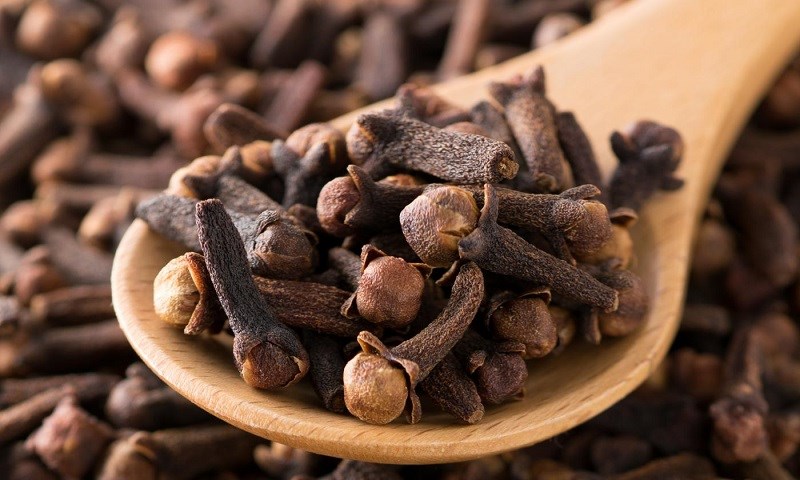
Why Antioxidants Matter
Oxidative stress can affect immune function.
The antioxidants found in cloves may help support overall immune health.
Traditional Uses
Many cultures include cloves in herbal teas and wellness beverages during cold and flu season.
Potential Benefit #7: Supporting Cardiovascular Health
Heart health is influenced by many lifestyle factors, including diet.
Potential Contributions
Research suggests compounds found in cloves may support:
-
Healthy circulation
-
Antioxidant protection
-
Overall cardiovascular wellness
A Balanced Perspective
The greatest cardiovascular benefits come from an overall healthy lifestyle rather than any single food.
Potential Benefit #8: Anti-Inflammatory Properties
Inflammation is a normal immune response.
However, chronic inflammation has been linked to numerous health conditions.
What Researchers Have Found
Laboratory studies suggest eugenol may help influence inflammatory pathways.
Potential Relevance
This area continues to be actively researched.
Potential Benefit #9: May Help Freshen Breath
Because of their strong aroma, cloves have traditionally been used as a natural breath freshener.
Traditional Practice
Some people chew whole cloves after meals.
Why It Works
The intense aroma may temporarily help reduce unpleasant breath odors.
Potential Benefit #10: Supporting General Wellness
Many of the potential benefits associated with cloves stem from their combination of:
-
Antioxidants
-
Plant compounds
-
Essential oils
Together, these components contribute to cloves' long-standing reputation in traditional wellness practices.
Common Culinary Uses of Cloves
Cloves are widely used around the world.
In Beverages
-
Chai tea
-
Herbal teas
-
Mulled drinks
In Savory Dishes
-
Curries
-
Rice dishes
-
Soups
-
Stews
In Baking
-
Gingerbread
-
Pumpkin desserts
-
Spice cakes
-
Cookies
Spice Blends
Cloves are frequently included in:
-
Garam masala
-
Pumpkin spice
-
Chinese five-spice powder
How to Make Simple Clove Tea
Ingredients
-
3–4 whole cloves
-
1 cup hot water
Instructions
-
Add cloves to hot water.
-
Steep for 5–10 minutes.
-
Remove cloves before drinking.
Many people also add:
-
Ginger
-
Cinnamon
-
Lemon
-
Honey
for additional flavor.
Clove Oil: Powerful but Potent
Clove essential oil is highly concentrated.
Common Uses
-
Aromatherapy
-
Dental products
-
Traditional remedies
Important Safety Note
Undiluted clove oil may irritate the skin and should be used cautiously.
It should never be consumed in large amounts without professional guidance.
Who Should Use Caution?
Although cloves are generally safe in food amounts, some individuals should be careful.
People Taking Blood-Thinning Medications
Eugenol may affect blood clotting mechanisms.
Individuals Preparing for Surgery
Medical advice may be necessary regarding herbal products.
Young Children
Clove oil should be used carefully around children.
People With Allergies
Rare allergic reactions may occur.
Common Myths About Cloves
Myth 1: Cloves Cure Disease
Cloves may support health but do not cure serious illnesses.
Myth 2: More Is Always Better
Excessive consumption may cause side effects.
Moderation is important.
Myth 3: Natural Means Risk-Free
Even natural substances can cause interactions or adverse effects.
Myth 4: Clove Oil Is Safe in Any Amount
Concentrated oils require careful use.
The Importance of a Balanced Approach
While cloves contain impressive plant compounds, they work best as part of a healthy lifestyle that includes:
-
Balanced nutrition
-
Regular exercise
-
Adequate sleep
-
Stress management
-
Routine healthcare
No single spice can replace these foundations of health.
Final Thoughts
Cloves are much more than a flavorful kitchen spice. Rich in antioxidants and beneficial plant compounds such as eugenol, they have been used for centuries in culinary traditions and wellness practices around the world. Research suggests that cloves may help support oral health, digestion, immune function, antioxidant protection, metabolic health, and overall well-being.
Although more human studies are needed to fully understand their effects, cloves remain a nutritious and versatile addition to a balanced diet. Whether enjoyed in tea, cooking, baking, or traditional recipes, this ancient spice continues to earn its place as one of nature's most fascinating and useful ingredients.