
If You Notice These 8 Changes, It May Be Time to Check Your Blood Sugar
What Happens When Sugar Levels Get Too High? These 8 Symptoms May Appear 👇
Health 11/06/2026 15:02
Anxiety is one of the most common mental health concerns worldwide. While occasional worry is a normal part of life, persistent anxiety and panic symptoms can significantly affect daily functioning, relationships, sleep quality, and overall well-being.
Mental health is influenced by a complex combination of factors, including:
Genetics
Life experiences
Stress levels
Sleep quality
Physical health
Nutrition
In recent years, researchers have become increasingly interested in the relationship between nutritional status and mental health. Among the nutrients receiving attention are vitamin B6 and iron, both of which play important roles in brain function and neurotransmitter production.
Although deficiencies in these nutrients do not directly cause anxiety disorders in every case, studies suggest that low levels may contribute to symptoms in some individuals.
Anxiety can affect both the mind and body.
Common symptoms include:
Excessive worry
Nervousness
Fear
Irritability
Restlessness
Rapid heartbeat
Sweating
Trembling
Shortness of breath
Muscle tension
Dizziness
Panic attacks may involve:
Sudden intense fear
Chest discomfort
Racing heart
Feelings of losing control
Tingling sensations
Because anxiety affects multiple body systems, researchers continue investigating factors that may influence its development and severity.
The brain requires a steady supply of nutrients to function properly.
These nutrients help support:
Neurotransmitter production
Energy metabolism
Nerve communication
Brain cell maintenance
When nutritional deficiencies occur, brain function may be affected.
While nutrition is only one piece of the mental health puzzle, it remains an important area of study.
Vitamin B6 is a water-soluble vitamin involved in numerous biological processes.
It helps support:
Brain development
Neurotransmitter production
Immune function
Protein metabolism
Nervous system health
Vitamin B6 participates in the production of several important neurotransmitters.
These include:
Serotonin
Dopamine
Gamma-aminobutyric acid (GABA)
These chemicals help regulate mood, emotions, and stress responses.
Often called the "feel-good" neurotransmitter, serotonin helps regulate:
Mood
Sleep
Appetite
Emotional balance
GABA acts as a calming neurotransmitter.
It helps reduce excessive nervous system activity and promotes relaxation.
Dopamine contributes to:
Motivation
Reward processing
Mood regulation
Low vitamin B6 levels may potentially affect the production of these neurotransmitters.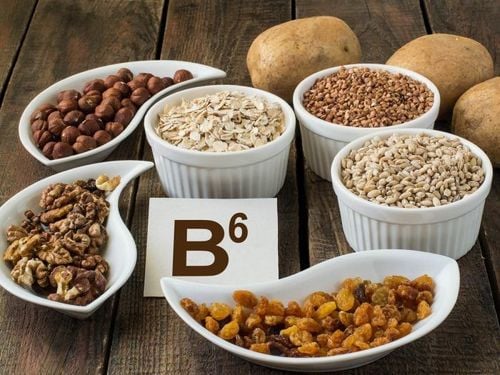
Several studies have explored the relationship between vitamin B6 and mental health.
Some research suggests that adequate vitamin B6 intake may help support:
Emotional well-being
Stress management
Nervous system function
Researchers believe vitamin B6 may influence anxiety symptoms through its role in neurotransmitter synthesis.
More research is still needed, and vitamin B6 should not be viewed as a standalone treatment for anxiety disorders.
Iron is an essential mineral required for many vital functions.
Iron supports:
Oxygen transport
Energy production
Brain function
Immune health
The brain requires oxygen and energy to function efficiently.
Iron helps ensure that oxygen reaches tissues throughout the body, including the brain.
Iron deficiency is one of the most common nutritional deficiencies worldwide.
Low iron levels may cause:
Fatigue
Weakness
Difficulty concentrating
Brain fog
Reduced exercise tolerance
Some individuals also report mood-related symptoms.
Researchers have observed associations between iron deficiency and:
Increased fatigue
Reduced cognitive performance
Emotional disturbances
These factors may contribute to feelings of anxiety in some cases.
Iron plays a role in the production and regulation of neurotransmitters.
These include:
Dopamine
Serotonin
Norepinephrine
All are involved in emotional regulation and stress responses.
When iron levels are inadequate, reduced oxygen delivery may affect:
Mental clarity
Physical energy
Mood stability
Deficiencies can sometimes develop gradually.
Irritability
Fatigue
Mood changes
Confusion
Skin problems
Persistent fatigue
Pale skin
Dizziness
Shortness of breath
Weakness
Difficulty concentrating
These symptoms can have many causes and should not be used for self-diagnosis.
Obtaining nutrients from food is generally the preferred approach.
Chicken
Turkey
Salmon
Tuna
Potatoes
Bananas
Chickpeas
Fortified cereals
A varied diet usually provides adequate vitamin B6 for most healthy individuals.
These contain heme iron, which is more easily absorbed.
Examples include:
Lean beef
Poultry
Seafood
Examples include:
Lentils
Beans
Spinach
Tofu
Pumpkin seeds
Vitamin C-rich foods may enhance iron absorption.
Examples include:
Oranges
Strawberries
Bell peppers
Tomatoes
Some individuals may benefit from supplements if a deficiency is confirmed.
Not everyone needs supplementation.
Taking excessive amounts of vitamins or minerals can be harmful.
Healthcare professionals can determine:
Whether a deficiency exists
Appropriate dosages
Potential interactions with medications
Even when nutritional status is optimal, anxiety can still occur.
Poor sleep can significantly affect mood and stress levels.
Ongoing stress influences both mental and physical health.
Regular exercise supports emotional well-being.
Certain health conditions may contribute to anxiety symptoms.
Inherited factors also play a role.
Anxiety is a complex condition with multiple contributing factors.
Nutrients support health but are not replacements for appropriate mental health care.
Excessive supplementation may cause adverse effects.
The brain and body are deeply interconnected.
Medical evaluation is important if anxiety symptoms:
Persist
Interfere with daily life
Affect sleep
Cause panic attacks
Impact work or relationships
Healthcare professionals can assess:
Mental health
Nutritional status
Underlying medical conditions
The most effective approach often combines multiple strategies.
These may include:
Balanced nutrition
Regular exercise
Stress management
Quality sleep
Social support
Professional mental health care
Nutrition works best as part of this broader picture.
Emerging research suggests that vitamin B6 and iron may play important roles in mental health due to their involvement in neurotransmitter production, brain function, and energy metabolism. Deficiencies in these nutrients have been associated with symptoms that may contribute to anxiety, fatigue, mood disturbances, and reduced cognitive performance in some individuals.
However, anxiety disorders are complex conditions influenced by many biological, psychological, and environmental factors. While maintaining adequate vitamin B6 and iron levels supports overall health, nutritional strategies should complement—not replace—professional evaluation and treatment when needed.
A balanced diet rich in essential nutrients, combined with healthy lifestyle habits and appropriate medical care, remains one of the best foundations for supporting both physical and mental well-being.
What Happens When Sugar Levels Get Too High? These 8 Symptoms May Appear 👇

10 Surprising Ways Your Feet May Reflect What's Happening Inside Your Body

Your Sleep Pattern May Be Sending You an Important Health Message 👇

Most People Panic When They See This Inside an Egg

9 Symptoms That May Indicate Elevated Blood Sugar Levels 👇

How Walnuts May Support Your Body in More Ways Than You Think 👇

Could Your Hip Pain Be Linked to Something Else? Find Out Below 👇

Your Daily Water-Boiling Routine Could Be Hiding These Health Risks 👇

For years, kale, spinach, and other leafy greens have dominated discussions about healthy eating. Yet nutrition experts increasingly point to another vegetable that deserves a place on every plate: watercress.

If Your Legs Cramp at Night, Don't Ignore These Possible Causes

Scientists Say Your Tendons Tell an Unexpected Story About Human Evolution

Start Your Day With Boiled Eggs—Your Body May Thank You for These 5 Reasons

Daily Peanut Consumption: Potential Benefits and Considerations According to Experts

The Hidden Effect of Eating Too Much Rice That Many People Overlook 👇

What Happens When You Combine Orange Peels and Ginger?

These Symptoms Are Often Treatable—But They Shouldn't Be Ignored

A Simple Finger Check May Reveal Changes Sometimes Associated With Lung Health Issues

These 10 Foods May Help Support Healthier Bl00d Sugar Levels Naturally

Why You Keep Dreaming About a Loved One Who Passed Away
What Happens When Sugar Levels Get Too High? These 8 Symptoms May Appear 👇
10 Surprising Ways Your Feet May Reflect What's Happening Inside Your Body

Don't Thaw Pork the Old-Fashioned Way - These 2 Methods Are Faster and May Help Keep It More Flavorful

Nutrition Experts Explain the Potential Benefits of Daily Avocado Intake 👇
Your Sleep Pattern May Be Sending You an Important Health Message 👇
Most People Panic When They See This Inside an Egg
9 Symptoms That May Indicate Elevated Blood Sugar Levels 👇

The Truth About Menopause and Intimate Wellness
How Walnuts May Support Your Body in More Ways Than You Think 👇
Could Your Hip Pain Be Linked to Something Else? Find Out Below 👇

The Surprising Effects of Eating Boiled Eggs in the Morning
Your Daily Water-Boiling Routine Could Be Hiding These Health Risks 👇
For years, kale, spinach, and other leafy greens have dominated discussions about healthy eating. Yet nutrition experts increasingly point to another vegetable that deserves a place on every plate: watercress.
If Your Legs Cramp at Night, Don't Ignore These Possible Causes

Personality quizzes have become a favorite pastime online, offering a playful way to learn more about ourselves. One of the latest viral tests asks a simple question:
Scientists Say Your Tendons Tell an Unexpected Story About Human Evolution
Start Your Day With Boiled Eggs—Your Body May Thank You for These 5 Reasons
Daily Peanut Consumption: Potential Benefits and Considerations According to Experts