Few things are more unpleasant than being awakened in the middle of the night by a sudden, painful leg cramp. One moment you're sleeping peacefully, and the next you're dealing with intense muscle tightness that can make it difficult to move, stretch, or even stand.
Nighttime leg cramps are surprisingly common and affect people of all ages, although they tend to become more frequent as people get older. In many cases, these cramps are harmless and temporary. However, recurring episodes may indicate underlying lifestyle factors, health conditions, or medication effects that deserve attention.
Understanding the possible causes of nighttime leg cramps can help you take steps to reduce their frequency and improve your sleep quality.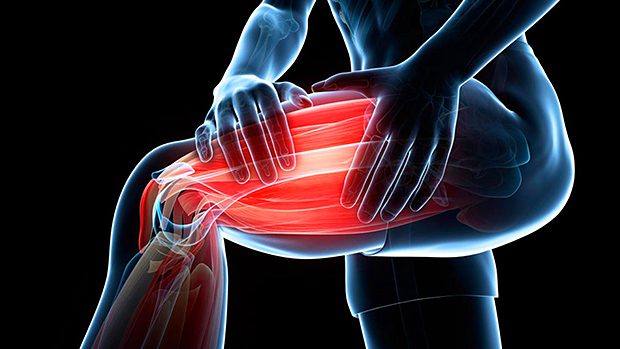
What Are Nighttime Leg Cramps?
Nighttime leg cramps are sudden, involuntary muscle contractions that occur during sleep or while resting.
They Most Commonly Affect
-
The calf muscles
-
The feet
-
The thighs
The cramp may last anywhere from a few seconds to several minutes.
Common Symptoms Include
-
Sharp pain
-
Muscle tightening
-
Hard muscle knots
-
Temporary difficulty walking
Even after the cramp subsides, soreness may linger for hours.
Why Do Leg Cramps Often Occur at Night?
Researchers do not fully understand why nighttime cramps occur, but several factors appear to increase the likelihood.
These May Include
-
Muscle fatigue
-
Poor circulation
-
Nerve irritation
-
Dehydration
-
Certain medical conditions
Often, multiple factors contribute simultaneously.
Factor #1: Dehydration
One of the most commonly discussed contributors to muscle cramps is inadequate hydration.
Why Hydration Matters
Water helps maintain proper muscle function and electrolyte balance.
When the Body Becomes Dehydrated
Muscles may become more susceptible to cramping.
Situations That May Increase Risk
-
Hot weather
-
Intense exercise
-
Excessive sweating
-
Insufficient fluid intake
Staying hydrated throughout the day may help reduce the likelihood of cramps.
Factor #2: Electrolyte Imbalances
Muscles depend on minerals called electrolytes to function properly.
Important Electrolytes Include
-
Potassium
-
Magnesium
-
Calcium
-
Sodium
These nutrients help regulate muscle contractions and nerve signaling.
When Levels Become Imbalanced
Muscles may contract abnormally.
Possible Causes
-
Poor nutrition
-
Excessive sweating
-
Certain medications
-
Medical conditions
A balanced diet often helps support healthy electrolyte levels.
Factor #3: Muscle Fatigue
Overworked muscles may be more prone to cramping.
Common Triggers Include
-
Long periods of standing
-
Intense workouts
-
Excessive walking
-
Physically demanding jobs
Why It Happens
Fatigued muscles may become more sensitive to involuntary contractions during rest.
Factor #4: Prolonged Sitting or Inactivity
Interestingly, both excessive activity and insufficient movement may contribute to leg cramps.
Long Periods of Sitting
May affect circulation and muscle flexibility.
Examples Include
-
Desk work
-
Long car rides
-
Extended television viewing
Regular movement throughout the day may help maintain muscle function.
Factor #5: Poor Sleeping Position
The way you sleep may influence muscle tension.
Certain Foot Positions
Particularly pointing the toes downward for extended periods, may increase the risk of calf cramps.
Some People Find Relief By
-
Stretching before bed
-
Adjusting sleep positions
-
Using supportive bedding
Factor #6: Pregnancy
Nighttime leg cramps are common during pregnancy.
Researchers Believe Contributing Factors May Include
-
Increased body weight
-
Circulatory changes
-
Nutritional demands
-
Muscle fatigue
Symptoms often become more noticeable during the second and third trimesters.
Factor #7: Aging
Leg cramps become increasingly common with age.
Possible Reasons Include
-
Natural muscle changes
-
Reduced activity levels
-
Circulatory changes
-
Medication use
Although aging may increase risk, severe or persistent cramps should still be evaluated.
Factor #8: Certain Medications
Some medications have been associated with muscle cramps.
Examples May Include
-
Diuretics
-
Certain blood pressure medications
-
Cholesterol-lowering medications
-
Some asthma treatments
Why This Happens
In some cases, medications may affect fluid balance, electrolyte levels, or muscle function.
Never stop prescribed medication without consulting a healthcare professional.
Factor #9: Circulatory Issues
Blood flow plays an important role in muscle health.
Conditions Affecting Circulation May Sometimes Cause
-
Leg discomfort
-
Muscle fatigue
-
Cramping sensations
Symptoms May Be More Noticeable During
-
Physical activity
-
Extended periods of rest
Medical evaluation is important if circulation problems are suspected.
Factor #10: Nerve Compression
Problems involving nerves may sometimes contribute to nighttime cramps.
Examples Include
-
Spinal conditions
-
Nerve irritation
-
Disc-related issues
Additional Symptoms May Include
-
Tingling
-
Numbness
-
Weakness
The presence of neurological symptoms should be discussed with a healthcare provider.
Factor #11: Diabetes
People with diabetes may experience leg cramps for several reasons.
Potential Contributors Include
-
Nerve damage
-
Circulatory changes
-
Metabolic factors
Proper management of diabetes is important for overall nerve and muscle health.
Factor #12: Kidney Conditions
The kidneys help regulate fluid and electrolyte balance.
Certain Kidney Disorders May Affect
-
Potassium levels
-
Calcium levels
-
Magnesium levels
These changes can influence muscle function.
Common Myths About Leg Cramps
Myth 1: Leg Cramps Always Mean You're Dehydrated
Dehydration is only one of many possible causes.
Myth 2: Only Older Adults Get Leg Cramps
People of all ages can experience them.
Myth 3: Leg Cramps Are Always Harmless
Most are benign, but persistent symptoms deserve attention.
Myth 4: Eating More Bananas Always Solves the Problem
While potassium is important, not all cramps are caused by potassium deficiency.
How to Relieve a Leg Cramp When It Happens
A sudden cramp can be painful, but several strategies may help.
Gentle Stretching
Stretching the affected muscle often provides relief.
For Calf Cramps
Pull the toes gently toward the shin.
Massage
Gentle massage may help relax the muscle.
Walking
Slow movement may reduce muscle tightness.
Warm Compresses
Heat may help relax tense muscles.
Some people also find warm baths soothing.
Ways to Help Prevent Nighttime Leg Cramps
Stay Hydrated
Drink adequate fluids throughout the day.
Stretch Before Bed
Gentle stretching may reduce muscle tension.
Stay Physically Active
Regular activity supports circulation and muscle health.
Wear Appropriate Footwear
Supportive shoes may help reduce strain on muscles.
Maintain Balanced Nutrition
A varied diet supports healthy muscle function.
When Should You See a Doctor?
Occasional cramps are common.
However, medical evaluation may be appropriate if cramps:
Occur Frequently
-
Several times per week
-
Become increasingly severe
-
Disrupt sleep regularly
Or if they are accompanied by:
-
Weakness
-
Swelling
-
Numbness
-
Significant pain
The Impact of Nighttime Leg Cramps on Sleep
Repeated awakenings can affect more than just comfort.
Poor Sleep May Contribute To
-
Daytime fatigue
-
Reduced concentration
-
Mood changes
-
Lower productivity
Managing recurring cramps may improve overall sleep quality and well-being.
The Bigger Picture
Nighttime leg cramps are often caused by a combination of factors rather than a single issue. Hydration, nutrition, physical activity, medications, circulation, and overall health can all play a role. While occasional cramps are generally harmless, recurring episodes may provide clues about lifestyle habits or underlying conditions that deserve attention.
Final Thoughts
Waking up with leg cramps can be painful and frustrating, but understanding the possible causes is the first step toward finding relief. Factors such as dehydration, electrolyte imbalances, muscle fatigue, prolonged inactivity, pregnancy, aging, medications, and certain medical conditions may all contribute to nighttime cramping.
Fortunately, many cases can be improved through simple lifestyle measures such as staying hydrated, stretching regularly, maintaining balanced nutrition, and remaining physically active. If leg cramps become frequent, severe, or are accompanied by other concerning symptoms, consulting a healthcare professional can help identify any underlying issues and guide appropriate treatment.