Bananas are among the most popular fruits in the world. They are affordable, convenient, naturally sweet, and packed with important nutrients. While many people enjoy bananas as a breakfast food or post-workout snack, others prefer eating them in the evening and often wonder whether doing so affects sleep, digestion, or overall health.
Over the years, bananas have gained a reputation as a "bedtime food," with some people claiming they help promote relaxation and better sleep. Although bananas are not a cure for insomnia or sleep disorders, they contain several nutrients that may support healthy sleep and overall wellness when consumed as part of a balanced diet.
Let's explore what happens when you eat a banana at night and what science currently suggests about its potential effects.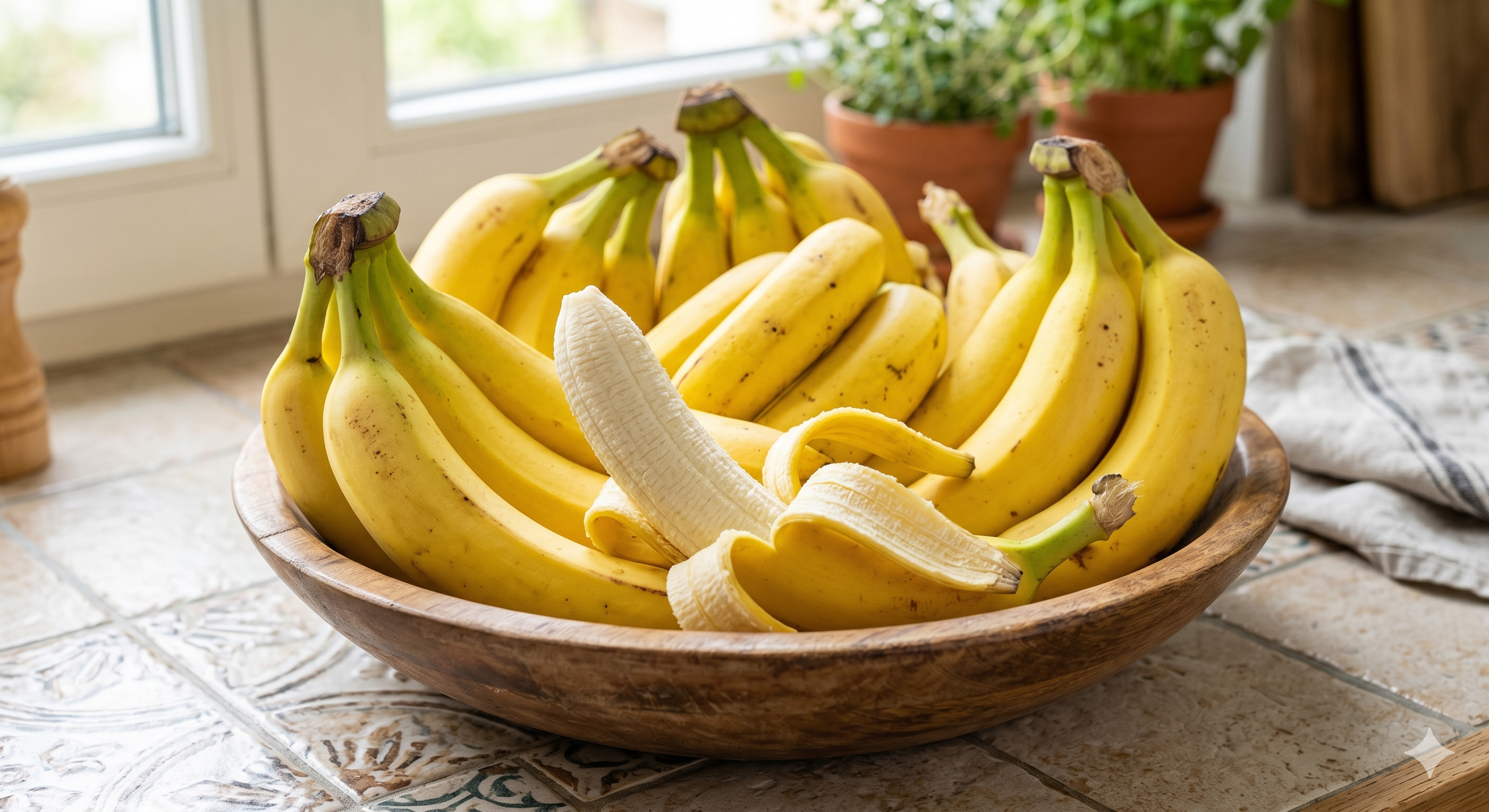
Why Bananas Are Considered a Healthy Evening Snack
Bananas are naturally nutrient-dense.
A medium-sized banana typically contains:
-
Potassium
-
Magnesium
-
Vitamin B6
-
Fiber
-
Natural carbohydrates
-
Antioxidants
These nutrients play important roles throughout the body and may contribute to relaxation, muscle function, and metabolic health.
Unlike many late-night snacks that are high in sugar or unhealthy fats, bananas provide nutritional value while remaining relatively low in calories.
Potential Effect #1: May Support Healthy Sleep
One reason bananas are frequently associated with bedtime is their nutrient profile.
Magnesium and Relaxation
Bananas contain magnesium, a mineral involved in:
-
Muscle relaxation
-
Nerve function
-
Sleep regulation
Low magnesium levels have been associated with sleep difficulties in some individuals.
Potassium and Muscle Function
Potassium helps regulate:
-
Muscle contractions
-
Fluid balance
-
Nerve signals
Adequate potassium intake may help reduce nighttime muscle cramps in some people, potentially contributing to more comfortable sleep.
Vitamin B6
Vitamin B6 participates in the production of neurotransmitters involved in mood and sleep regulation.
These include:
-
Serotonin
-
Melatonin
Both play important roles in the body's sleep-wake cycle.
Potential Effect #2: May Help Reduce Late-Night Hunger
Many people experience hunger shortly before bedtime.
Choosing nutrient-rich foods may help satisfy appetite while avoiding overly heavy meals.
Why Bananas Are Filling
Bananas contain:
-
Fiber
-
Water
-
Carbohydrates
This combination can help promote feelings of fullness.
A Better Alternative
Compared with:
-
Cookies
-
Candy
-
Chips
-
Sugary desserts
a banana is often considered a healthier evening snack option.
Potential Effect #3: May Provide Steady Energy
Although sleep is the goal at bedtime, the body continues performing important functions throughout the night.
Bananas contain natural carbohydrates that provide energy for:
-
Cellular repair
-
Metabolism
-
Brain function
Unlike highly processed sugary snacks, bananas generally cause a slower rise in blood sugar.
Potential Effect #4: May Support Digestive Health
Bananas contain dietary fiber, which contributes to healthy digestion.
Benefits of Fiber
Fiber may help support:
-
Regular bowel movements
-
Gut health
-
Digestive comfort
Gentle on the Stomach
Bananas are often considered easy to digest, making them a popular choice among individuals recovering from digestive upset.
Potential Effect #5: May Support Heart Health
Bananas are well known for their potassium content.
Why Potassium Matters
Potassium helps support:
-
Healthy blood pressure regulation
-
Normal heart rhythm
-
Fluid balance
Adequate potassium intake is an important part of cardiovascular health.
Important Perspective
Eating a banana before bed alone will not transform heart health, but regular consumption as part of a balanced diet may contribute positively.
Potential Effect #6: May Help With Exercise Recovery
People who exercise in the evening sometimes choose bananas as a post-workout snack.
Recovery Benefits
Bananas provide:
-
Carbohydrates for glycogen replenishment
-
Potassium for muscle function
-
Magnesium for recovery processes
These nutrients may help support recovery after physical activity.
Can Bananas Actually Improve Sleep?
This is one of the most common questions.
What Research Suggests
While bananas contain nutrients involved in sleep regulation, there is limited evidence showing that eating a banana directly causes significant improvements in sleep quality.
What Is More Likely
Bananas may support healthy sleep indirectly by:
-
Providing magnesium
-
Supplying potassium
-
Contributing to a balanced diet
-
Preventing late-night hunger
The overall effect is likely modest rather than dramatic.
Are There Any Downsides?
For most healthy individuals, eating a banana at night is perfectly safe.
However, there are situations where it may not be ideal.
1. Digestive Sensitivity
Some individuals may experience:
-
Bloating
-
Gas
-
Digestive discomfort
although this is relatively uncommon.
2. Portion Control
Eating multiple bananas in addition to a large evening meal may contribute excess calories.
3. Certain Medical Conditions
Individuals with:
-
Advanced kidney disease
-
Specific potassium restrictions
should follow medical advice regarding potassium-rich foods.
Common Myths About Bananas at Night
Myth 1: Bananas Cause Weight Gain
Weight gain occurs when calorie intake consistently exceeds energy expenditure.
A single banana is unlikely to cause weight gain on its own.
Myth 2: Bananas Should Never Be Eaten Before Bed
There is no scientific evidence supporting this claim.
Many people tolerate bananas well in the evening.
Myth 3: Bananas Instantly Cure Insomnia
Bananas contain nutrients involved in sleep regulation, but they are not a treatment for sleep disorders.
Persistent sleep problems should be discussed with a healthcare professional.
Healthy Ways to Enjoy a Banana Before Bed
Simple Banana Snack
A plain banana can be an easy bedtime option.
Banana and Yogurt
Combining bananas with yogurt provides:
-
Protein
-
Calcium
-
Additional satiety
Banana With Nut Butter
Adding a small amount of peanut or almond butter may provide healthy fats and protein.
Smoothies
A light smoothie containing banana and milk can be a satisfying evening snack.
Other Habits That Promote Better Sleep
While nutrition matters, sleep quality depends on many factors.
Maintain a Consistent Sleep Schedule
Going to bed at the same time each night helps regulate the body's internal clock.
Limit Caffeine Late in the Day
Caffeine can interfere with sleep for several hours.
Reduce Screen Exposure Before Bed
Blue light may affect melatonin production.
Create a Comfortable Sleep Environment
A cool, dark, and quiet room supports restful sleep.
Stay Physically Active
Regular exercise is associated with better sleep quality.
Who May Benefit Most From a Bedtime Banana?
A banana before bed may be especially appealing for:
-
Individuals seeking a light evening snack
-
People trying to avoid sugary desserts
-
Active individuals recovering from exercise
-
Those looking for a nutrient-rich alternative to processed snacks

Final Thoughts
Eating bananas at night is generally safe for most people and may offer several potential benefits. Their combination of potassium, magnesium, vitamin B6, fiber, and natural carbohydrates makes them a nutritious snack that may support relaxation, satisfy hunger, aid digestion, and contribute to overall health.
While bananas are not a magic solution for sleep problems, they can fit comfortably into a healthy evening routine. Combined with good sleep habits, regular physical activity, and a balanced diet, a bedtime banana may be a simple and enjoyable way to support wellness.
As with most aspects of nutrition, the greatest benefits come not from a single food but from consistent healthy choices made over time.