Most people focus on what they eat, but fewer think about when they eat. While overall diet quality remains the most important factor for long-term health, research suggests that meal timing can influence digestion, energy levels, athletic performance, sleep quality, and even blood sugar regulation.
This doesn't mean there is one perfect eating schedule that works for everyone. Individual needs vary depending on age, activity level, health conditions, work schedules, and personal preferences. However, understanding how certain foods interact with the body's natural rhythms may help you get more from your meals.
Let's explore the best times to enjoy some of the most common foods and beverages.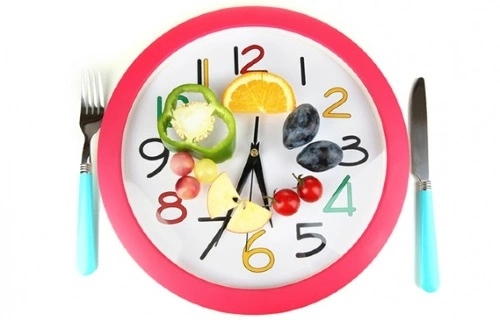
Why Meal Timing Matters
The human body follows a natural internal clock known as the circadian rhythm.
This Biological Clock Influences
-
Digestion
-
Hormone production
-
Metabolism
-
Sleep cycles
-
Energy levels
As a result, the body may process certain foods differently depending on the time of day.
Important Reminder
Meal timing should complement a healthy diet, not replace it.
The quality of food still matters more than timing alone.
Best Time to Eat Fruit
Fruit provides vitamins, minerals, antioxidants, and fiber.
Morning Is Often a Popular Choice
Many people enjoy fruit:
-
At breakfast
-
As a mid-morning snack
-
Before exercise
Why?
Fruit contains natural carbohydrates that can provide quick energy.
The fiber content also helps promote fullness.
Can You Eat Fruit at Night?
Absolutely.
Despite common myths, eating fruit in the evening is generally safe for most healthy individuals.
The total amount consumed throughout the day is usually more important than the exact timing.
Best Time to Eat Oatmeal
Oatmeal is rich in fiber and complex carbohydrates.
Ideal Times Include
Breakfast
Oatmeal may help:
-
Provide sustained energy
-
Promote satiety
-
Support digestive health
Before Exercise
The slow-digesting carbohydrates can provide fuel for physical activity.
Best Time to Eat Eggs
Eggs are a high-quality protein source.
Breakfast Is Often Recommended
Protein early in the day may help:
-
Reduce hunger
-
Improve satiety
-
Support muscle maintenance
Many people find that protein-rich breakfasts help reduce snacking later in the day.
Best Time to Eat Yogurt
Yogurt provides protein, calcium, and beneficial bacteria.
Morning or Afternoon
Many people enjoy yogurt:
-
At breakfast
-
As a snack
-
After exercise
Why?
It offers a combination of protein and nutrients while being easy to digest for many individuals.
Before Bed?
Some people also enjoy yogurt in the evening because its protein content may support overnight muscle repair.
Best Time to Eat Nuts
Nuts contain healthy fats, protein, and fiber.
Excellent Times Include
Mid-Morning Snack
Afternoon Snack
Nuts may help:
-
Reduce hunger
-
Stabilize energy levels
-
Prevent overeating at meals
Because they are calorie-dense, portion size remains important.
Best Time to Drink Coffee
Coffee is one of the world's most popular beverages.
Morning Is Usually Preferred
Many people consume coffee shortly after waking.
Potential Benefits
-
Increased alertness
-
Improved concentration
-
Enhanced physical performance
Avoid Too Late in the Day
Caffeine can interfere with sleep in some individuals.
Many experts recommend limiting caffeine several hours before bedtime.
Best Time to Eat Bananas
Bananas provide carbohydrates, potassium, and fiber.
Good Times Include
Before Exercise
The carbohydrates provide quick energy.
After Exercise
Potassium may help support normal muscle function.
As a Snack
Bananas pair well with protein-rich foods such as yogurt or nuts.
Best Time to Eat Vegetables
Vegetables can be consumed throughout the day.
Lunch and Dinner Are Common Choices
Vegetables provide:
-
Fiber
-
Vitamins
-
Minerals
Benefits
Including vegetables with meals may:
-
Increase fullness
-
Support digestion
-
Improve overall nutrient intake
Best Time to Eat Rice and Other Carbohydrates
Carbohydrates are the body's preferred energy source.
Timing May Depend on Activity Levels
Active Individuals
Often benefit from carbohydrates before or after exercise.
General Meals
Whole grains and complex carbohydrates can fit into lunch or dinner.
Balance and portion size are key.
Best Time to Eat Fish
Fish provides protein and important nutrients, including omega-3 fatty acids.
Lunch or Dinner
These are the most common times to consume fish.
Benefits
Fish can contribute to:
-
Heart health
-
Muscle maintenance
-
Overall nutrition
Best Time to Eat Dark Chocolate
Good news for chocolate lovers.
Afternoon May Be Ideal
Some people enjoy a small serving during the afternoon when cravings tend to increase.
Why Not Late at Night?
Certain chocolate products contain caffeine, which may affect sleep in sensitive individuals.
Best Time to Drink Water
Unlike food, water is important throughout the day.
Particularly Useful Times Include
After Waking Up
Helps replace fluids lost overnight.
Before Meals
May help promote hydration and support digestion.
During Exercise
Supports fluid balance.
Throughout the Day
Consistent hydration is more important than any specific timing.
Best Time to Eat a Large Meal
Many people consume their largest meal at dinner.
However, some research suggests larger meals earlier in the day may support metabolism and energy regulation.
A Balanced Approach
Many experts recommend:
-
A substantial breakfast
-
A moderate lunch
-
A lighter dinner
Individual preferences and schedules vary.
Foods That May Be Better Earlier in the Day
Certain foods may be particularly useful when consumed earlier.
Examples Include
-
Oatmeal
-
Whole grains
-
Fruit
-
Eggs
-
Coffee
These foods can help support daytime energy needs.
Foods That May Work Well in the Evening
Some foods may be more comfortable later in the day.
Examples Include
-
Yogurt
-
Light protein sources
-
Vegetables
-
Herbal teas
Large, heavy meals immediately before bed may interfere with sleep for some people.
Common Meal Timing Myths
Myth 1: Eating After 6 PM Causes Weight Gain
Weight gain is primarily influenced by total calorie intake and expenditure.
Myth 2: Fruit Should Never Be Eaten at Night
Most healthy individuals can enjoy fruit at any time.
Myth 3: Breakfast Is Mandatory for Everyone
Some people thrive with breakfast, while others prefer different eating schedules.
Myth 4: There Is One Perfect Meal Schedule
Individual needs vary considerably.
Tips for Smarter Meal Timing
Eat Regularly
Consistent meal patterns may help support energy levels.
Include Protein at Meals
Protein helps promote satiety.
Avoid Heavy Meals Right Before Bed
This may improve sleep quality.
Stay Hydrated
Drink water consistently throughout the day.
Listen to Your Body
Personal preferences and responses matter.
The Bigger Picture
Meal timing can be a useful tool, but it should not become a source of stress. The healthiest eating pattern is one that is balanced, sustainable, and compatible with your lifestyle.
A diet rich in fruits, vegetables, lean proteins, whole grains, healthy fats, and adequate hydration will generally have a greater impact on health than obsessing over exact meal times.
Final Thoughts
Understanding when to eat different foods may help support energy, digestion, exercise performance, and overall wellness. Fruits, oatmeal, eggs, yogurt, nuts, vegetables, fish, and other nutrient-dense foods can all play important roles in a healthy diet, and strategic timing may help maximize their benefits.
However, there is no universal schedule that works for everyone. The best approach is to focus on high-quality foods, consistent eating habits, proper hydration, and a routine that fits your individual needs. When healthy food choices and smart meal timing work together, they can become powerful tools for supporting long-term health and well-being.