Be Alert to 11 Early Signs of Pancreatic Cancer That You Should Not Ignore
Pancreatic cancer is often referred to as a “silent disease” because its symptoms can be subtle in the early stages. Many people dismiss the warning signs as common digestive issues, stress, aging, or minor health problems. Unfortunately, by the time pancreatic cancer is discovered, it has often progressed to a more advanced stage.
While experiencing one or more of these symptoms does not automatically mean you have pancreatic cancer, recognizing persistent or unusual changes in your body can help you seek medical attention sooner. Early detection can make a significant difference in treatment options and outcomes.
Here are 11 warning signs that deserve attention.
1. Yellowing of the Skin and Eyes

One of the most recognizable signs of pancreatic cancer is jaundice, which causes the skin and the whites of the eyes to appear yellow.
This can happen when a tumor blocks the bile duct, preventing bile from flowing normally. As bilirubin builds up in the bloodstream, the skin and eyes may develop a yellow tint.
Jaundice may also be accompanied by:
- Dark urine
- Pale-colored stools
- Persistent itching
Because jaundice can appear before other symptoms, it should never be ignored.
2. Unexplained Weight Loss
Losing weight without changing your diet or exercise habits can be a warning sign of several serious health conditions, including pancreatic cancer.
The pancreas plays a critical role in digestion. When it does not function properly, the body may struggle to absorb nutrients efficiently, leading to unintended weight loss.
Many patients also report a reduced appetite alongside the weight loss.
3. Persistent Abdominal Pain
Pain in the upper abdomen is one of the more common symptoms associated with pancreatic cancer.
The discomfort may start as a dull ache and gradually worsen over time. Some people notice that the pain becomes more intense after eating or while lying down.
Because abdominal pain can have many causes, it is important to pay attention if it becomes persistent or occurs alongside other symptoms.
4. Back Pain That Doesn't Go Away
Pancreatic tumors can sometimes affect nearby nerves and tissues, leading to pain that radiates into the back.
This discomfort often develops in the middle or upper back and may be mistaken for muscle strain or poor posture.
If back pain persists without an obvious cause, especially when combined with digestive issues or weight loss, it should be evaluated by a healthcare professional.
5. Changes in Digestion
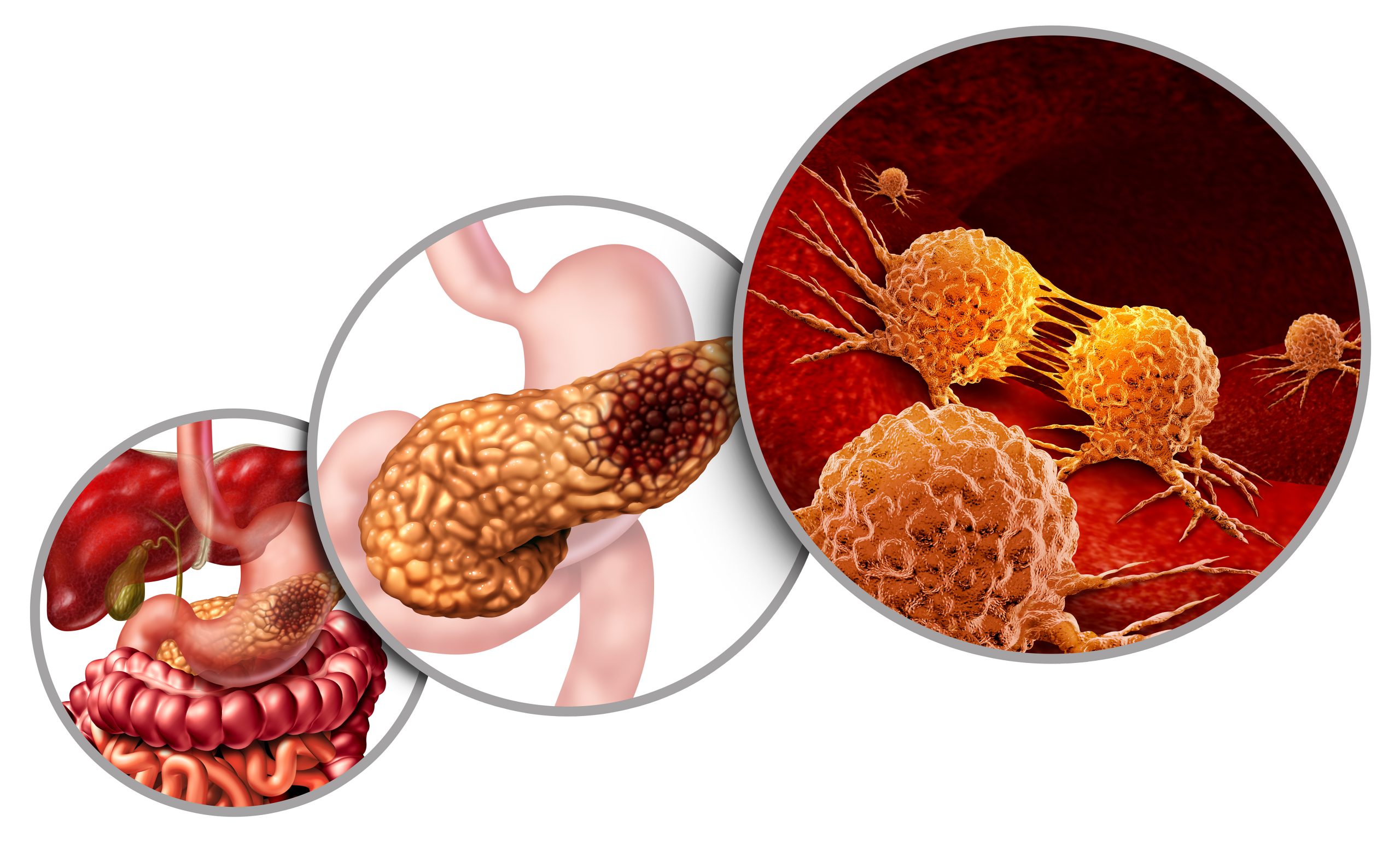
Many people with pancreatic cancer experience digestive problems long before receiving a diagnosis.
Possible symptoms include:
- Frequent indigestion
- Bloating
- Excessive gas
- Feeling uncomfortable after meals
- Difficulty digesting fatty foods
Since the pancreas produces enzymes that help break down food, disruptions in pancreatic function can affect the digestive process.
6. Changes in Stool Appearance
Your stool can reveal important clues about your health.
Pancreatic problems may cause:
- Pale or clay-colored stools
- Greasy or oily stools
- Floating stools
- Strong or unusual odors
These changes can occur when the body is unable to digest fats properly.
7. Sudden Onset of Diabetes
In some cases, pancreatic cancer affects the cells responsible for producing insulin.
As a result, some people develop diabetes unexpectedly, particularly after the age of 50 and without the usual risk factors such as obesity or family history.
Symptoms may include:
- Increased thirst
- Frequent urination
- Blurred vision
- Unusual fatigue
New-onset diabetes should always be discussed with a healthcare provider.
8. Constant Fatigue
Everyone feels tired occasionally, but cancer-related fatigue is different.
People often describe it as:
- Persistent exhaustion
- Lack of energy
- Weakness that does not improve with rest
- Difficulty completing normal daily activities
When fatigue becomes chronic and unexplained, it may signal an underlying medical condition.
9. Nausea and Vomiting
A growing tumor can put pressure on the stomach or digestive tract, interfering with the normal movement of food.
This may lead to:
- Frequent nausea
- Vomiting
- Feeling full after eating only a small amount
- Digestive discomfort
If these symptoms continue for weeks or worsen over time, medical evaluation is recommended.
10. Loss of Appetite

A sudden lack of interest in food is another symptom that should not be overlooked.
Many people with pancreatic cancer report:
- Feeling full quickly
- Reduced hunger
- Avoiding meals
- Unexplained changes in eating habits
This symptom often contributes to significant weight loss.
11. Blood Clots
In some cases, a blood clot may be one of the earliest signs of pancreatic cancer.
Symptoms can include:
- Swelling in the leg
- Pain or tenderness
- Warmth or redness in the affected area
- Shortness of breath if the clot travels to the lungs
Although blood clots can occur for many reasons, unexplained cases require prompt medical attention.
Why These Symptoms Are Often Missed
The challenge with pancreatic cancer is that many of its symptoms resemble common conditions such as indigestion, acid reflux, diabetes, gallbladder disease, or simple fatigue.
Because the pancreas is located deep within the abdomen, tumors can grow for some time before causing noticeable symptoms.
This is one reason pancreatic cancer is often diagnosed at a later stage.
When Should You See a Doctor?
Consider speaking with a healthcare professional if:
- Symptoms persist for more than a few weeks
- Several symptoms occur together
- You experience unexplained weight loss
- You develop jaundice
- You notice significant changes in digestion or appetite
While these symptoms do not necessarily mean cancer is present, they should not be ignored.
Final Thoughts
Most people who experience these symptoms will not have pancreatic cancer. However, your body often provides warning signals when something is wrong.
Paying attention to unusual or persistent changes—and seeking medical advice when necessary—can help identify health problems earlier and improve the chances of successful treatment.
Awareness is one of the most powerful tools when it comes to protecting your health.