Managing blood sugar is an important part of maintaining overall health, particularly for individuals living with diabetes or those at risk of developing the condition. While medications and medical care play crucial roles, dietary choices are among the most powerful everyday tools for supporting healthy blood glucose levels.
The foods we eat influence how quickly sugar enters the bloodstream, how long we feel satisfied after meals, and how effectively the body responds to insulin. Choosing nutrient-dense foods rich in fiber, protein, healthy fats, and essential vitamins can help promote more stable blood sugar levels throughout the day.
It's important to remember that no single food can cure diabetes or replace medical treatment. However, incorporating certain foods into a balanced eating pattern may support long-term blood sugar management and overall wellness.
Here are 10 foods that nutrition experts often recommend.
Why Blood Sugar Management Matters
Blood sugar, also known as blood glucose, is the body's primary source of energy.
After Eating
Carbohydrates are broken down into glucose, which enters the bloodstream.
The hormone insulin helps move glucose into cells where it can be used for energy.
When Blood Sugar Remains Elevated
Over time, it may contribute to various health complications.
Maintaining healthy blood sugar levels supports:
-
Energy production
-
Heart health
-
Kidney function
-
Eye health
-
Nerve health
Food #1: Leafy Green Vegetables
Leafy greens are among the most nutrient-dense foods available.
Excellent Choices Include
-
Spinach
-
Kale
-
Swiss chard
-
Collard greens
-
Arugula
Why They May Help
Leafy greens are:
-
Low in calories
-
Low in carbohydrates
-
Rich in fiber
-
Packed with vitamins and minerals
Fiber slows digestion and may help support steadier blood sugar responses.
Food #2: Fatty Fish
Fatty fish provide high-quality protein and beneficial fats.
Examples Include
-
Salmon
-
Sardines
-
Mackerel
-
Trout
-
Herring
Nutritional Benefits
These fish contain omega-3 fatty acids, which support cardiovascular health.
Since people with diabetes may have an increased risk of heart disease, heart-healthy foods are especially important.
Food #3: Eggs
Eggs are a versatile source of protein.
Why Protein Matters
Protein helps promote satiety and may reduce rapid spikes in blood sugar after meals.
Eggs Also Provide
-
Vitamin B12
-
Choline
-
Selenium
When incorporated into a balanced diet, eggs can be a satisfying meal component.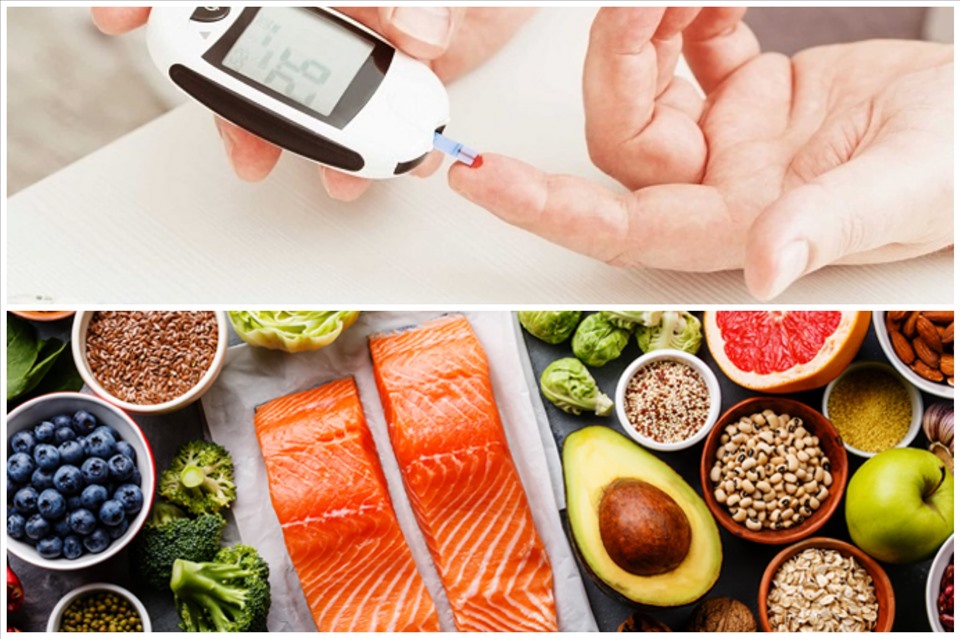
Food #4: Nuts
Nuts provide a combination of healthy fats, protein, and fiber.
Popular Choices Include
-
Almonds
-
Walnuts
-
Pistachios
-
Pecans
-
Cashews
Potential Benefits
Nuts digest relatively slowly, which may help support more gradual blood sugar changes.
Moderation remains important due to their calorie density.
Food #5: Greek Yogurt
Greek yogurt is often higher in protein than traditional yogurt.
Benefits May Include
-
Increased satiety
-
Reduced hunger
-
Support for healthy eating patterns
Look For
Plain, unsweetened varieties whenever possible.
Many flavored yogurts contain added sugars that can increase carbohydrate intake.
Food #6: Berries
Berries are naturally sweet while also being rich in fiber.
Excellent Choices Include
-
Blueberries
-
Strawberries
-
Blackberries
-
Raspberries
Why They're Popular
Compared with many other sweet foods, berries provide:
-
Fiber
-
Antioxidants
-
Vitamins
Fiber helps slow the absorption of sugars.
Food #7: Beans and Legumes
Beans are often recommended for blood sugar management.
Examples Include
-
Black beans
-
Kidney beans
-
Lentils
-
Chickpeas
Nutritional Advantages
They provide:
-
Plant protein
-
Fiber
-
Complex carbohydrates
This combination may help support steady energy levels.
Food #8: Avocados
Avocados contain healthy monounsaturated fats.
They Also Provide
-
Fiber
-
Potassium
-
Various vitamins
Why They May Be Helpful
Healthy fats can help slow digestion and increase feelings of fullness after meals.
Avocados are naturally low in sugar.
Food #9: Whole Grains
Not all carbohydrates affect blood sugar equally.
Whole Grain Options Include
-
Oats
-
Quinoa
-
Brown rice
-
Barley
Compared With Refined Grains
Whole grains generally contain more fiber and nutrients.
Fiber may help moderate blood sugar responses after meals.
Food #10: Chia Seeds
Despite their small size, chia seeds are rich in nutrients.
They Contain
-
Fiber
-
Protein
-
Omega-3 fats
One Unique Feature
Chia seeds absorb water and form a gel-like consistency.
This may help slow digestion and promote satiety.
The Role of Fiber in Blood Sugar Health
Many of the foods on this list share one important characteristic: fiber.
Why Fiber Matters
Fiber slows the digestion and absorption of carbohydrates.
Potential Benefits Include
-
More gradual blood sugar increases
-
Improved satiety
-
Better digestive health
Most adults consume less fiber than recommended.
The Importance of Protein
Protein plays an important role in balanced meals.
Protein-Rich Foods May Help
-
Reduce hunger
-
Support muscle maintenance
-
Promote meal satisfaction
Including protein with meals may contribute to steadier blood sugar responses.
Healthy Fats Matter Too
Healthy fats are another important component of blood sugar-friendly eating patterns.
Sources Include
-
Avocados
-
Nuts
-
Seeds
-
Fatty fish
-
Olive oil
These foods contribute nutrients while supporting overall health.
Foods to Limit
While no food must necessarily be eliminated entirely, certain foods are often consumed in excess.
Examples Include
-
Sugary beverages
-
Candy
-
Pastries
-
Refined grains
-
Highly processed snacks
These foods may contribute to rapid blood sugar fluctuations.
Common Myths About Blood Sugar and Food
Myth 1: People With Diabetes Cannot Eat Fruit
Many fruits can be part of a healthy eating plan.
Portion size and overall dietary balance matter.
Myth 2: Sugar Is the Only Nutrient That Affects Blood Glucose
All carbohydrate-containing foods influence blood sugar levels.
Myth 3: One Food Can Control Diabetes
No single food can manage diabetes on its own.
Myth 4: Healthy Foods Can Be Eaten Without Limits
Portion sizes remain important, even for nutritious foods.
Building a Balanced Plate
Rather than focusing on individual foods alone, many experts recommend creating balanced meals.
A Balanced Plate Often Includes
-
Non-starchy vegetables
-
Lean protein
-
Healthy fats
-
Fiber-rich carbohydrates
This combination may help support stable energy and blood sugar levels.
Lifestyle Factors Beyond Food
Nutrition is only one part of the picture.
Other Important Factors Include
-
Physical activity
-
Quality sleep
-
Stress management
-
Medication adherence
-
Regular medical checkups
These factors work together to support overall health.
When to Consult a Healthcare Professional
Individuals with diabetes or concerns about blood sugar should seek personalized guidance.
Healthcare Professionals Can Help With
-
Meal planning
-
Medication management
-
Blood sugar monitoring
-
Lifestyle recommendations
Personalized advice is often more effective than one-size-fits-all solutions.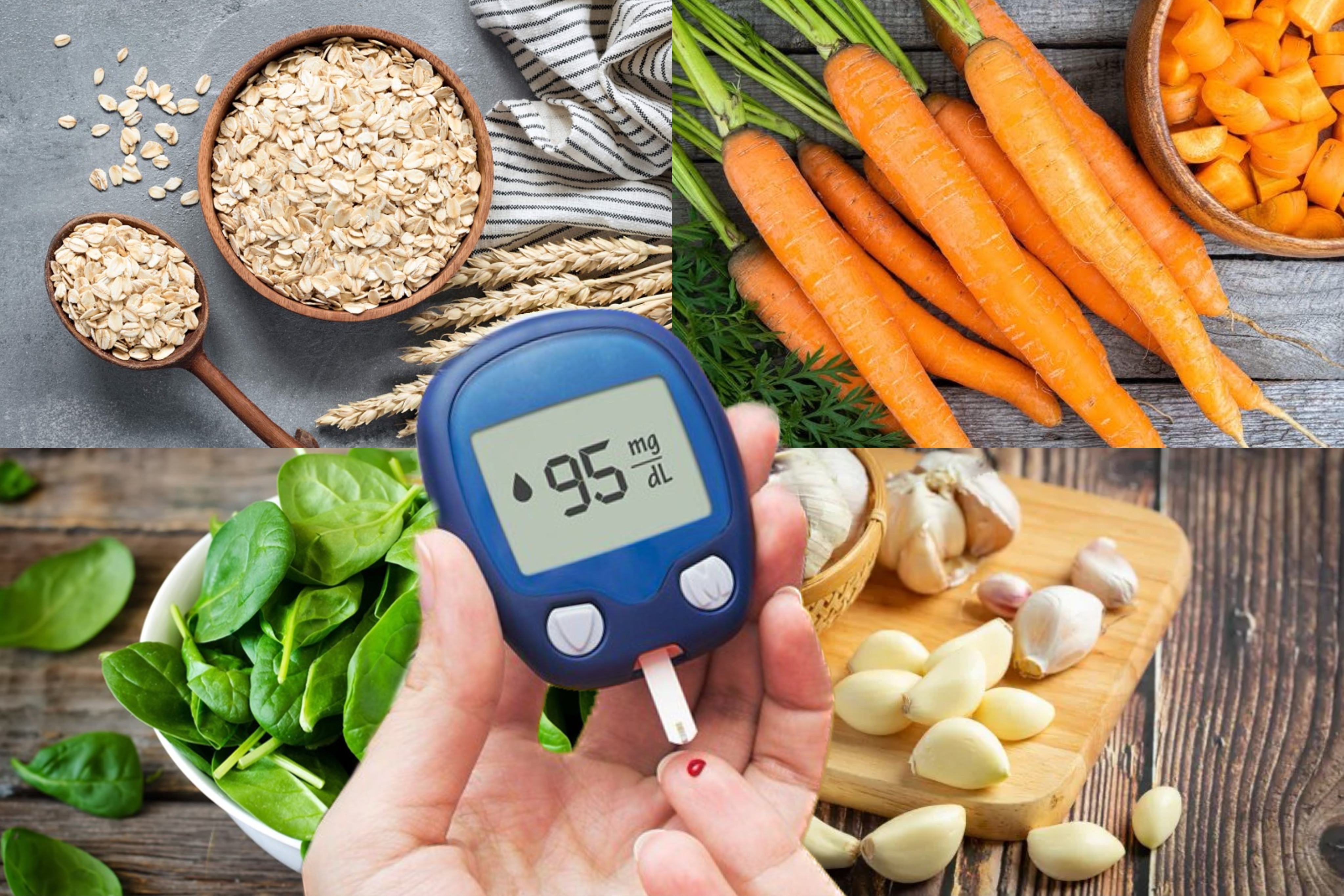
The Bigger Picture
Managing blood sugar is not about perfection or eliminating favorite foods forever. Instead, it involves building sustainable eating habits that support long-term health. Choosing foods rich in fiber, protein, healthy fats, and essential nutrients can help create a dietary pattern that promotes better blood sugar control and overall wellness.
Final Thoughts
Healthy blood sugar management begins with everyday food choices. Leafy greens, fatty fish, eggs, nuts, Greek yogurt, berries, beans, avocados, whole grains, and chia seeds are among the foods that nutrition experts frequently recommend because of their nutrient density and potential to support stable blood glucose levels.
While no food can cure diabetes or replace medical care, a balanced diet built around these wholesome options may help support long-term health, energy, and overall well-being. Combined with regular exercise, adequate sleep, and proper medical guidance, thoughtful nutrition remains one of the most effective tools for promoting healthy blood sugar management.