Peanuts are among the most widely consumed foods in the world. Whether enjoyed roasted, boiled, blended into peanut butter, or added to recipes, they are valued for their rich flavor, convenience, and impressive nutritional profile.
For decades, researchers have studied the relationship between nut consumption and overall health. While peanuts are technically legumes rather than true nuts, they share many nutritional characteristics with tree nuts and have been associated with numerous potential health benefits.
But what actually happens if you eat peanuts regularly? Can they support heart health? Do they help with weight management? Are there any risks to be aware of?
Let's take a closer look at what science and nutrition experts have discovered about regular peanut consumption.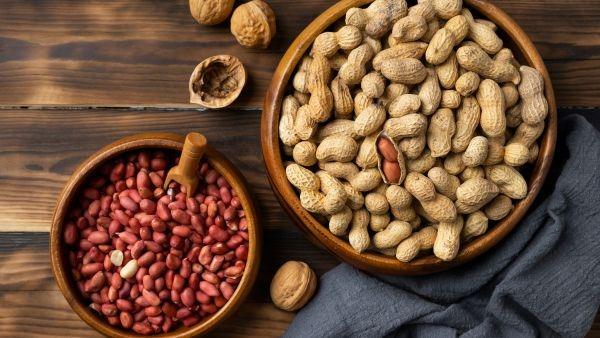
The Nutritional Profile of Peanuts
Peanuts are packed with nutrients despite their small size.
A typical serving provides:
-
Protein
-
Healthy fats
-
Fiber
-
Vitamin E
-
Magnesium
-
Phosphorus
-
Potassium
-
Folate
-
Niacin
They also contain various plant compounds with antioxidant properties.
This combination makes peanuts one of the most nutrient-dense snack options available.
Potential Benefit #1: Supporting Heart Health
One of the most studied benefits of peanuts is their potential role in cardiovascular health.
Healthy Fats Matter
Peanuts contain primarily unsaturated fats, including:
-
Monounsaturated fats
-
Polyunsaturated fats
These fats are generally considered more heart-friendly than saturated fats.
What Research Suggests
Studies have linked regular nut consumption with:
-
Improved cholesterol profiles
-
Better cardiovascular health
-
Lower risk of heart-related complications
Additional Heart-Healthy Nutrients
Peanuts also provide:
-
Magnesium
-
Potassium
-
Fiber
All of which play important roles in cardiovascular function.
Potential Benefit #2: Increased Satiety
Many people assume peanuts contribute to weight gain because they are calorie-dense.
However, research often shows a more complicated picture.
Why Peanuts Can Be Filling
Their combination of:
-
Protein
-
Healthy fats
-
Fiber
helps promote feelings of fullness.
The Result
People may feel satisfied for longer periods after eating peanuts compared with highly processed snack foods.
This may help reduce unnecessary snacking between meals.
Potential Benefit #3: Supporting Healthy Blood Sugar Control
Peanuts have a relatively low glycemic impact.
Why This Matters
Foods that cause rapid spikes in blood sugar may contribute to:
-
Hunger
-
Energy crashes
-
Blood sugar fluctuations
Peanuts and Blood Sugar
The protein, fiber, and fat content of peanuts help slow digestion, which may contribute to steadier blood sugar responses when consumed as part of balanced meals.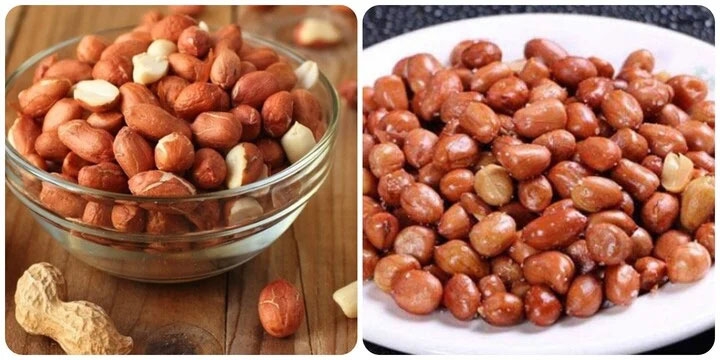
Potential Benefit #4: Providing Plant-Based Protein
Protein is essential for:
-
Muscle maintenance
-
Tissue repair
-
Immune function
-
Overall health
A Convenient Protein Source
Peanuts offer a practical way to increase protein intake, particularly for:
-
Vegetarians
-
Individuals seeking plant-based foods
-
Active adults
Supporting Healthy Aging
Adequate protein intake becomes increasingly important as people age because muscle mass naturally declines over time.
Potential Benefit #5: Rich in Antioxidants
Peanuts contain various naturally occurring plant compounds.
Examples include:
-
Resveratrol
-
Polyphenols
-
Flavonoids
Why Antioxidants Matter
Antioxidants help protect cells from oxidative stress.
Oxidative stress has been associated with:
-
Aging
-
Inflammation
-
Various chronic diseases
Although no single food prevents disease, antioxidant-rich foods contribute to overall dietary quality.
Potential Benefit #6: Supporting Brain Function
Several nutrients found in peanuts play important roles in nervous system health.
Key Nutrients Include
-
Vitamin E
-
Niacin
-
Folate
-
Magnesium
Why These Nutrients Matter
They contribute to:
-
Nerve function
-
Energy metabolism
-
Cellular health
Researchers continue exploring the relationship between nutrition and long-term cognitive health.
Potential Benefit #7: May Support Healthy Cholesterol Levels
Some studies suggest that regular peanut consumption may positively influence cholesterol levels.
Possible Effects
Research has associated peanut consumption with:
-
Lower LDL ("bad") cholesterol
-
Improved HDL ("good") cholesterol
-
Better lipid balance
Why?
The combination of healthy fats, fiber, and plant compounds may contribute to these effects.
Potential Benefit #8: Supporting Digestive Health
Peanuts provide dietary fiber.
Benefits of Fiber
Fiber helps support:
-
Regular bowel movements
-
Healthy digestion
-
Beneficial gut bacteria
Most adults consume less fiber than recommended, making fiber-rich foods valuable additions to the diet.
Are Peanuts Good for Weight Management?
This is one of the most common questions.
The Calorie Concern
Peanuts are energy-dense.
A small serving contains a significant number of calories.
The Surprising Research
Many studies have not found a strong link between moderate nut consumption and weight gain.
Possible reasons include:
-
Increased satiety
-
Reduced hunger
-
Greater dietary satisfaction
Portion Size Still Matters
Like any calorie-containing food, excessive intake can contribute to excess energy consumption.
Moderation remains important.
Boiled, Roasted, or Peanut Butter?
Boiled Peanuts
Often contain fewer calories than roasted versions.
Dry-Roasted Peanuts
Popular and convenient while retaining most nutrients.
Peanut Butter
Can be nutritious, but ingredients vary.
What to Look For
The healthiest peanut butters often contain:
-
Peanuts
-
Minimal added ingredients
Some commercial products contain:
-
Added sugar
-
Hydrogenated oils
-
Excess sodium
Reading labels is helpful.
Potential Risks and Considerations
While peanuts offer many benefits, they are not suitable for everyone.
Peanut Allergy
Peanut allergy can be serious and potentially life-threatening.
Individuals with peanut allergies must avoid peanuts entirely.
Added Salt
Many packaged peanut products contain significant sodium.
Excess sodium intake may affect:
-
Blood pressure
-
Cardiovascular health
Added Sugars
Flavored peanut products sometimes contain added sugars.
Moderation is important.
Portion Awareness
Because peanuts are calorie-dense, large portions can quickly increase daily calorie intake.
Who May Benefit Most From Eating Peanuts?
Regular peanut consumption may be particularly useful for:
-
Active individuals
-
People seeking protein-rich snacks
-
Vegetarians
-
Older adults needing nutrient-dense foods
-
Individuals looking for satisfying alternatives to processed snacks
Simple Ways to Include Peanuts in Your Diet
Snack Ideas
-
A small handful of roasted peanuts
-
Peanut butter with fruit
-
Peanuts mixed with seeds
Meal Additions
-
Stir-fries
-
Salads
-
Oatmeal
-
Smoothies
Balanced Pairings
Combining peanuts with fruits or vegetables can create nutrient-rich snacks.
Common Myths About Peanuts
Myth 1: Peanuts Are Unhealthy Because They Contain Fat
Most of the fat in peanuts consists of unsaturated fats.
Myth 2: Peanuts Always Cause Weight Gain
Moderate consumption can fit within a healthy eating pattern.
Myth 3: Peanut Butter Is Always Unhealthy
Many peanut butter products can be nutritious when minimally processed.
Myth 4: Peanuts Have No Nutritional Value
Peanuts contain a wide range of beneficial nutrients and plant compounds.
Final Thoughts
Peanuts are far more than just a convenient snack. Rich in protein, healthy fats, fiber, vitamins, minerals, and antioxidants, they may support heart health, digestive health, blood sugar management, satiety, and overall wellness when consumed as part of a balanced diet.
While peanuts are not a miracle food, research suggests that moderate, regular consumption can contribute positively to long-term health. The greatest benefits come from incorporating peanuts into an overall healthy lifestyle that includes nutritious foods, regular physical activity, adequate sleep, and proper medical care when needed.
For most people, a modest serving of peanuts each day can be a simple, affordable, and enjoyable way to add valuable nutrients to their diet.