Notice an Unusual Lump on Your Wrist? It Could Be a Warning Sign You Shouldn't Ignore
Discovering a lump on your wrist can be alarming.
Many people notice a small bump while washing their hands, exercising, or working at a computer and immediately worry that it could be something serious. While most wrist lumps are not dangerous, they should never be ignored without understanding the cause.
In many cases, a lump on the wrist turns out to be a ganglion cyst—a common, noncancerous growth that develops near joints or tendons. However, other conditions can sometimes produce similar symptoms, making proper evaluation important.
Here's what you should know if you've recently noticed an unusual lump on your wrist.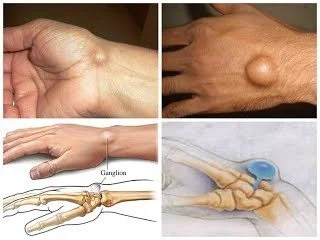
The Most Common Cause: A Ganglion Cyst
One of the most frequent explanations for a wrist lump is a ganglion cyst.
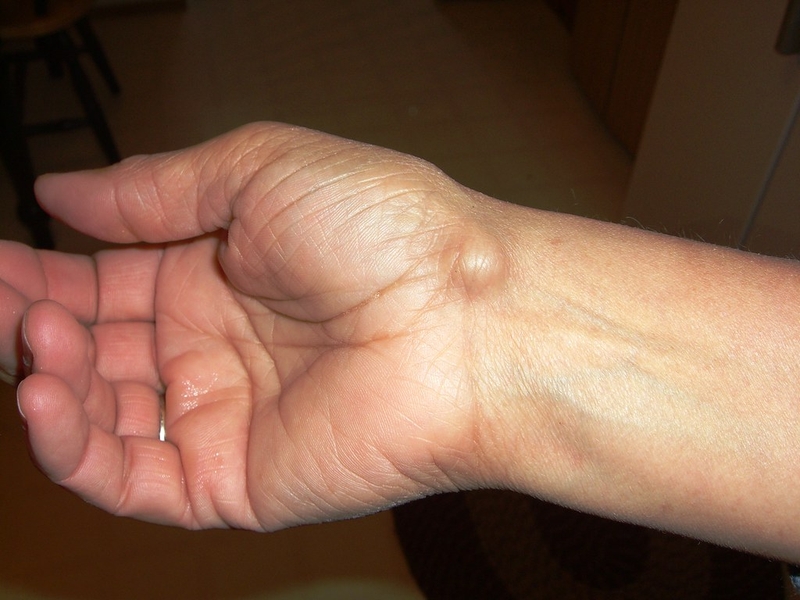
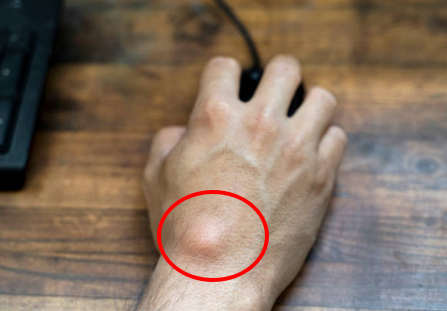
A ganglion cyst is a fluid-filled sac that typically develops near a joint or tendon. These cysts most commonly appear on the back of the wrist, although they can also develop on the front of the wrist, fingers, ankles, or feet. They are generally round or oval and filled with a thick, jelly-like fluid.
Most ganglion cysts are harmless and are not cancerous. In fact, many disappear on their own without treatment.
What Does a Ganglion Cyst Feel Like?
People often describe the lump as:
- Round or oval-shaped
- Firm or slightly rubbery
- Smooth beneath the skin
- Able to change size over time
- More noticeable after repetitive wrist activity
Some cysts remain painless, while others may press on nearby nerves and cause discomfort. Symptoms can include:
- Wrist pain
- Tingling sensations
- Numbness
- Weakness in the hand
- Reduced joint movement
The size of the cyst may increase with activity and shrink when the joint is rested.
Why Do These Lumps Develop?
Doctors do not fully understand why ganglion cysts form.
However, research suggests they may develop when tissue surrounding a joint or tendon weakens and bulges outward, creating a fluid-filled sac. Previous joint injuries, repetitive wrist movements, arthritis, and tendon irritation may increase the likelihood of developing one.
This may explain why ganglion cysts are commonly seen in people who:
- Spend long hours typing
- Perform repetitive hand movements
- Play sports involving the wrist
- Work with tools or machinery
Not Every Wrist Lump Is a Ganglion Cyst
Although ganglion cysts are the most common cause, other conditions can also create lumps on the wrist.
Possible causes include:
Carpal Boss
A bony overgrowth that develops on the back of the wrist, often mistaken for a cyst. Unlike a ganglion cyst, it feels hard because it is made of bone.
Epidermoid Cysts
These benign skin cysts develop when skin cells become trapped beneath the surface. They may slowly enlarge over time.
Rheumatoid Nodules
People with certain autoimmune diseases, such as rheumatoid arthritis, may develop firm nodules near joints.
Lipomas
These soft lumps consist of fatty tissue and are usually harmless.
Rare Tumors
Although uncommon, some lumps may represent benign or malignant tumors. This is one reason any new or changing growth should be medically evaluated.
When Should You See a Doctor?
Many wrist lumps are harmless, but certain warning signs should prompt medical attention.
Consider scheduling an evaluation if:
- The lump grows rapidly
- It becomes painful
- You experience numbness or tingling
- Hand movement becomes limited
- The lump changes color
- It persists for several weeks
- You are unsure what it is
Healthcare providers can often identify the cause through a physical examination and, when necessary, imaging tests such as ultrasound, X-rays, or MRI scans.
Can It Be Treated?
Treatment depends on the underlying cause.
For ganglion cysts, options may include:
Observation
If the cyst is painless and does not interfere with daily activities, no treatment may be necessary. Many ganglion cysts shrink or disappear naturally.
Aspiration
A healthcare professional may drain the fluid using a needle. However, cysts can sometimes return after drainage.
Surgery
For persistent, painful, or recurring cysts, surgical removal may be recommended.
Experts advise against attempting to burst or hit a cyst at home, as this can cause injury and complications.
The Bottom Line
Finding a lump on your wrist can be unsettling, but most wrist lumps are not cancerous and are often caused by ganglion cysts. These fluid-filled growths are common, usually harmless, and frequently resolve without treatment.
Still, any new lump deserves attention—especially if it grows, becomes painful, or affects movement. A proper medical evaluation can provide peace of mind and help determine whether treatment is needed.
Your body often sends signals when something changes. Paying attention to those signals is one of the simplest ways to protect your health.