9 Sneaky Early Signs of Diabetes You Could Easily Miss
Diabetes is one of the most common chronic health conditions worldwide, yet many people don't realize they have it until symptoms become difficult to ignore.
One reason diabetes often goes undetected is that its earliest warning signs can be subtle. They may develop gradually and are often mistaken for stress, aging, poor sleep, or other everyday issues.
Recognizing these early clues can help people seek medical advice sooner and potentially prevent serious complications.
Here are nine sneaky signs of diabetes that should never be overlooked.
1. You're Constantly Thirsty
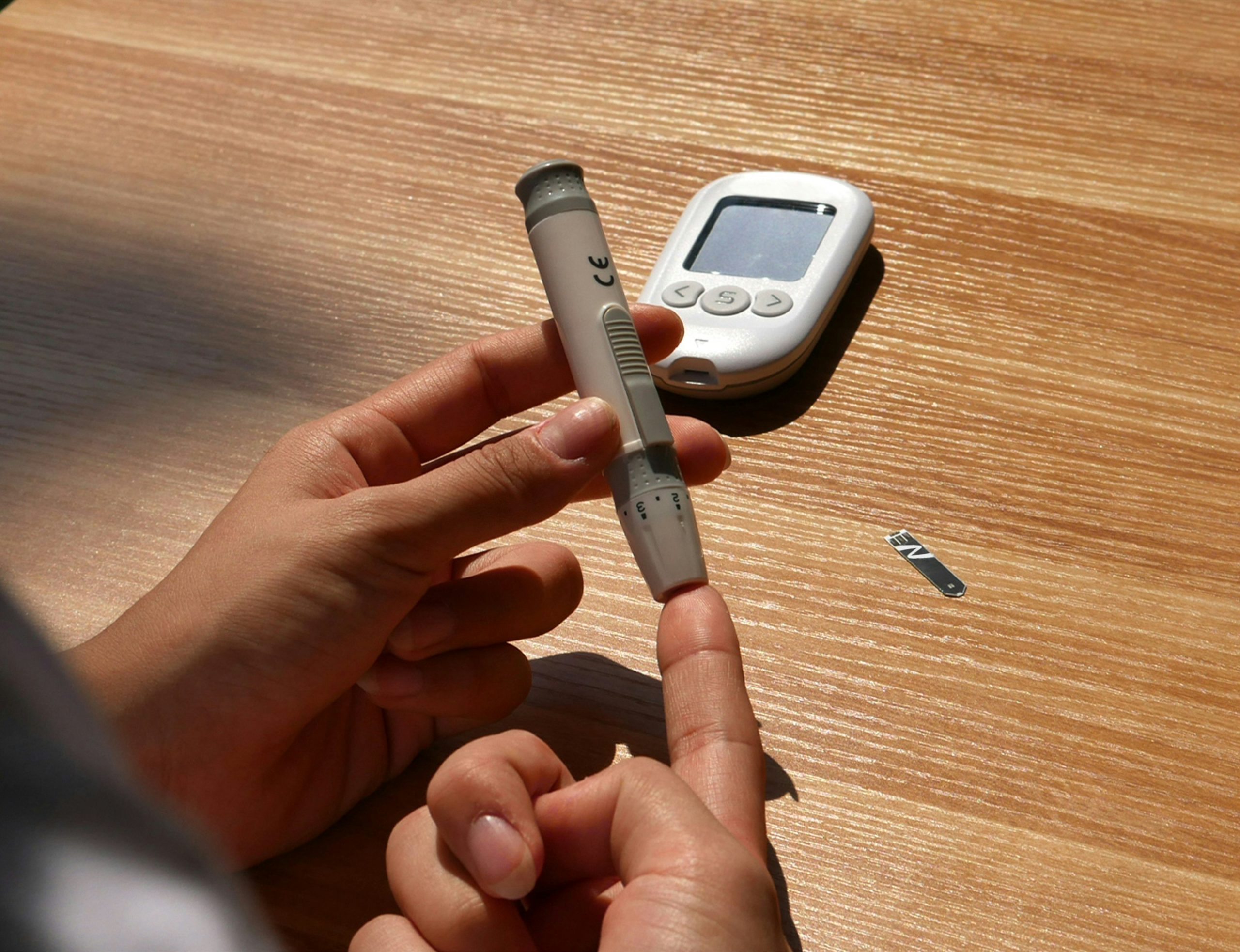
Feeling thirsty after exercise or on a hot day is perfectly normal.
However, if you find yourself reaching for water all day long and still feeling thirsty, high blood sugar could be a contributing factor.
When glucose levels rise, the kidneys work harder to remove excess sugar through urine. This process causes the body to lose more fluids, leading to persistent thirst.
If increased thirst appears without an obvious explanation, it may be worth discussing with a healthcare professional.
2. Frequent Urination
One of the earliest and most common symptoms of diabetes is needing to urinate more often than usual.
Many people notice:
- Frequent trips to the bathroom during the day
- Waking up several times at night to urinate
- Producing larger amounts of urine
This happens because the body attempts to eliminate excess glucose through the urine.
3. Constant Fatigue
Do you feel exhausted even after a full night's sleep?
When blood sugar levels remain elevated, the body's cells may struggle to use glucose effectively for energy.
As a result, people often experience:
- Low energy
- Persistent tiredness
- Difficulty concentrating
- Reduced productivity
Fatigue related to diabetes tends to be ongoing rather than occasional.
4. Blurred Vision

High blood sugar can affect fluid levels in the eyes, temporarily changing the shape of the lens.
This may cause:
- Blurry vision
- Difficulty focusing
- Fluctuating eyesight
Some people notice vision changes before they receive a diabetes diagnosis.
Because diabetes can also increase the risk of long-term eye complications, vision changes should always be taken seriously.
5. Slow-Healing Cuts and Wounds
Healthy bodies usually repair minor cuts and scrapes relatively quickly.
However, elevated blood sugar may impair circulation and affect the body's ability to heal.
You may notice:
- Cuts that take longer to heal
- Frequent skin infections
- Minor wounds that linger for weeks
Poor wound healing is a symptom that deserves medical attention.
6. Increased Hunger
Many people with developing diabetes feel hungry more often than usual.
Even after eating, the body's cells may not receive enough usable glucose for energy. In response, the brain continues sending hunger signals.
This can lead to:
- Frequent snacking
- Strong food cravings
- Feeling hungry shortly after meals
Persistent hunger combined with other symptoms may be an important clue.
7. Tingling or Numbness in the Hands and Feet
Over time, high blood sugar can damage nerves.
Early symptoms may include:
- Tingling sensations
- Burning feelings
- Numbness
- Pins-and-needles sensations
These symptoms often begin in the feet before affecting the hands.
Although nerve damage is more common in longstanding diabetes, some people experience early symptoms before diagnosis.
8. Unexplained Weight Loss
Losing weight without trying may sound appealing, but it can sometimes signal a health problem.
When the body cannot effectively use glucose for energy, it may begin breaking down fat and muscle instead.
This can result in:
- Unexpected weight loss
- Loss of muscle mass
- Increased fatigue
Unexplained weight changes should always be evaluated by a healthcare professional.
9. Darkened Patches of Skin
One lesser-known sign of insulin resistance is a condition called acanthosis nigricans.
This causes areas of skin to become:
- Darker than surrounding skin
- Thickened
- Velvety in texture
These patches often appear on:
- The back of the neck
- Armpits
- Groin
- Elbows
While not everyone with diabetes develops this symptom, it can be an important early warning sign.
Who Is Most at Risk?
Anyone can develop diabetes, but certain factors increase the risk, including:
- Family history of diabetes
- Overweight or obesity
- Physical inactivity
- High blood pressure
- High cholesterol
- History of gestational diabetes
- Age over 45
However, younger adults and even children can also develop diabetes.
Why Early Detection Matters
When diabetes is detected early, many complications can be prevented or delayed.
Untreated diabetes may increase the risk of:
- Heart disease
- Kidney disease
- Vision loss
- Nerve damage
- Circulation problems
The earlier blood sugar is managed, the better the chances of protecting long-term health.
When Should You See a Doctor?
Consider speaking with a healthcare professional if you experience:
- Excessive thirst
- Frequent urination
- Persistent fatigue
- Blurred vision
- Unexplained weight loss
- Tingling in your hands or feet
- Slow-healing wounds
Simple blood tests can often determine whether blood sugar levels are within a healthy range.
Final Thoughts

Diabetes doesn't always announce itself with dramatic symptoms. In many cases, the earliest warning signs are subtle and easy to dismiss.
Persistent thirst, frequent urination, fatigue, blurred vision, increased hunger, numbness, slow-healing wounds, unexplained weight loss, and darkened skin patches may all be clues that your body is struggling to regulate blood sugar.
Paying attention to these signs and seeking medical advice when needed can help identify diabetes earlier and support better long-term health outcomes.
Your body often whispers before it starts to shout—listening to those whispers can make a meaningful difference.