
What Does It Mean When Someone Who Has Passed Away Appears in Your Dreams?
Why You Keep Dreaming About a Loved One Who Passed Away
Tips 11/06/2026 15:13
Many households keep pork in the freezer to extend its shelf life and reduce food waste. Freezing is an excellent way to preserve meat, but when it's time to prepare a meal, proper thawing becomes just as important as proper storage.
One of the most common mistakes people make is thawing pork incorrectly. Some leave it on the kitchen counter for hours, while others soak it directly in warm water. Although these methods may seem convenient, they can affect food safety, texture, and flavor.
Fortunately, there are safer and more effective ways to thaw frozen pork. Two widely recommended methods can help defrost pork relatively quickly while preserving its quality and reducing the risk of bacterial growth.
Let's explore why proper thawing matters and how these two methods work.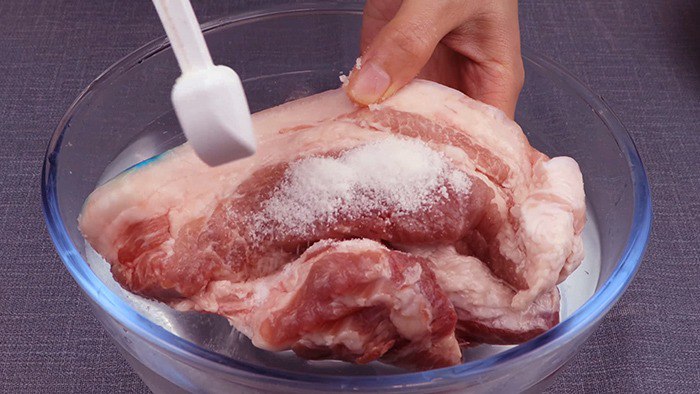
Freezing slows bacterial growth, helping food remain safe for longer periods.
However, once frozen meat begins to thaw, bacteria can multiply if conditions become favorable.
Improper thawing may lead to:
Reduced flavor
Poor texture
Moisture loss
Increased food safety risks
The goal is to thaw pork evenly while keeping it at safe temperatures.
Many people place frozen meat on the kitchen counter and allow it to thaw at room temperature.
The outer layer of meat may enter temperatures where bacteria multiply rapidly while the center remains frozen.
Hot water may thaw the surface quickly but often causes uneven defrosting.
This can:
Affect texture
Encourage bacterial growth
Reduce overall quality
One of the fastest safe methods is cold water thawing.
Cold water transfers heat more efficiently than air while still keeping the meat at relatively safe temperatures.
Place the frozen pork in a leak-proof plastic bag.
This prevents:
Water absorption
Cross-contamination
Fill a large bowl or sink with cold water.
Submerge the sealed package completely.
Replace the water every 30 minutes to maintain a cold temperature.
The time depends on the size and thickness of the meat.
Small cuts may thaw within:
30 to 60 minutes
Larger cuts may require:
Several hours
Faster than refrigerator thawing
Preserves texture reasonably well
Relatively simple
Once thawed using cold water, pork should generally be cooked promptly.
Although slower, refrigerator thawing is often considered the gold standard.
The refrigerator keeps meat at consistently safe temperatures during the thawing process.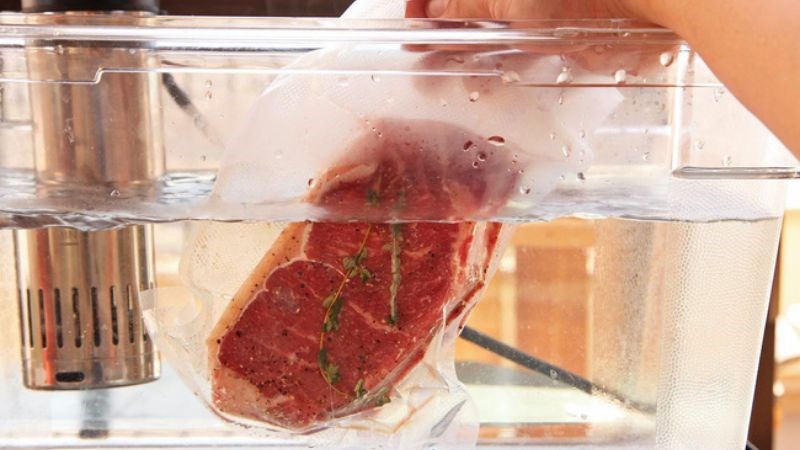
Place the frozen pork on a tray or plate.
This helps catch any liquid released during thawing.
Place it in the refrigerator.
Allow sufficient time for gradual thawing.
Small cuts:
Approximately 12–24 hours
Large roasts:
One to several days
Excellent food safety
Better moisture retention
More even thawing
Minimal impact on texture
Meat thawed in the refrigerator can often remain refrigerated for a short period before cooking, depending on food safety guidelines.
Some people believe warm water speeds up thawing without consequences.
Warm water can create uneven temperatures.
The outer layer may warm significantly while the center remains frozen.
This situation may encourage bacterial growth and reduce food quality.
In some situations, yes.
Many cuts of pork can be cooked directly from frozen.
However:
Cooking time will increase
Even cooking becomes more challenging
Texture may be affected
Cooking from frozen is often more practical for:
Smaller portions
Thin cuts
Large roasts generally benefit from proper thawing first.
Many people focus only on food safety.
However, thawing also influences eating quality.
Proper thawing helps preserve natural juices.
Gradual thawing often results in:
Better tenderness
More consistent texture
When moisture is retained, flavor is often better preserved as well.
When meat freezes, water inside cells forms ice crystals.
Large ice crystals can damage muscle fibers.
Improper thawing may increase moisture loss.
This is one reason why some thawed meats appear:
Dry
Tough
Less flavorful
Gentle thawing helps minimize these effects.
Good thawing begins with proper freezing.
Protect meat from freezer burn.
Less air exposure helps preserve quality.
Include:
Date of freezing
Type of cut
Rapid freezing generally helps preserve texture.
Always inspect meat before cooking.
Potential warning signs include:
Strong unpleasant smells should not be ignored.
While some color changes are normal, significant discoloration may indicate quality issues.
An unusually sticky or slimy texture may signal spoilage.
Torn packaging can increase contamination risk.
When in doubt, food safety should come first.
Hot water may increase food safety risks.
Room-temperature thawing can allow bacteria to multiply.
Proper freezing and thawing can preserve quality remarkably well.
In some situations, food thawed safely in the refrigerator may be refrozen, although quality may decline.
Before and after handling raw meat.
Sanitize cutting boards and countertops.
Keep raw meat separate from:
Fruits
Vegetables
Ready-to-eat foods
Use a food thermometer when appropriate.
Using safe thawing methods offers several advantages.
Natural flavors are preserved.
Meat remains more tender and juicy.
Reduced bacterial risk.
Even thawing promotes uniform cooking results.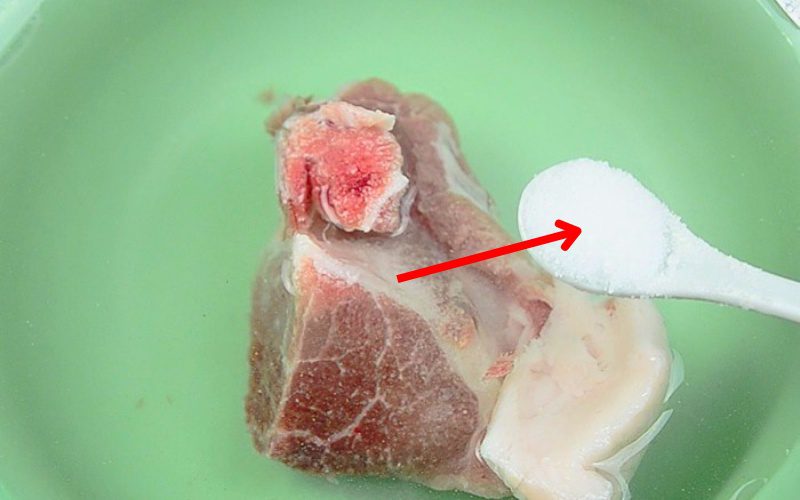
Thawing pork correctly is an important step that affects both food safety and eating quality. While soaking pork in warm water or leaving it on the counter may seem convenient, these methods can increase risks and negatively affect texture and flavor.
Cold water thawing and refrigerator thawing remain two of the most reliable approaches. Cold water offers a relatively quick solution when time is limited, while refrigerator thawing provides the highest level of safety and quality preservation.
By taking a little extra care during the thawing process, home cooks can enjoy pork that is safer, juicier, more flavorful, and better suited for a wide range of delicious meals.
Why You Keep Dreaming About a Loved One Who Passed Away

Personality quizzes have become a favorite pastime online, offering a playful way to learn more about ourselves. One of the latest viral tests asks a simple question:

A popular finger-reading trend sparks curiosity—but what is the truth?

A small purple butterfly carries a message of love and remembrance.

If Your Friend Does These 5 Things, It May Be Time to Walk Away

Growing ginger in a bag is an easy and efficient way to cultivate your own fresh ginger at home. Here’s a step-by-step guide:

🚨 Before You Buy Honey Again, Learn These Simple Authenticity Tests

One Image, Two Interpretations—Which One Did You See?

What Your Brain Notices First Says More Than You Think

Why Some People Grow More Ear Hair Than Others

The Hidden Meaning Behind Different Thumb Shapes

Protect Your Lungs: 6 Common Items in Your Home That May Influence Indoor Air Quality

Many People Don't Realize How Easy Homemade Avocado Oil Can Be

Thousands Are Trying This Lime-and-Salt Trick—Would You?
If Your Jeans Develop Weird Ripples, Stop Doing This Immediately
Orange vs. Yellow Egg Yolks: Which One Is Better?

The Hidden Potential of Cloves and Baby Oil: What You Should Know

Your First Instinct Could Reveal Your Personality Secrets

What Was That Little Pocket Really Made For?
Why You Keep Dreaming About a Loved One Who Passed Away

What Happens When Sugar Levels Get Too High? These 8 Symptoms May Appear 👇

10 Surprising Ways Your Feet May Reflect What's Happening Inside Your Body

Nutrition Experts Explain the Potential Benefits of Daily Avocado Intake 👇

Your Sleep Pattern May Be Sending You an Important Health Message 👇

Most People Panic When They See This Inside an Egg

Some Experts Believe Inadequate Vitamin B6 and Iron Levels May Contribute to Feelings of Anxiety

9 Symptoms That May Indicate Elevated Blood Sugar Levels 👇

The Truth About Menopause and Intimate Wellness
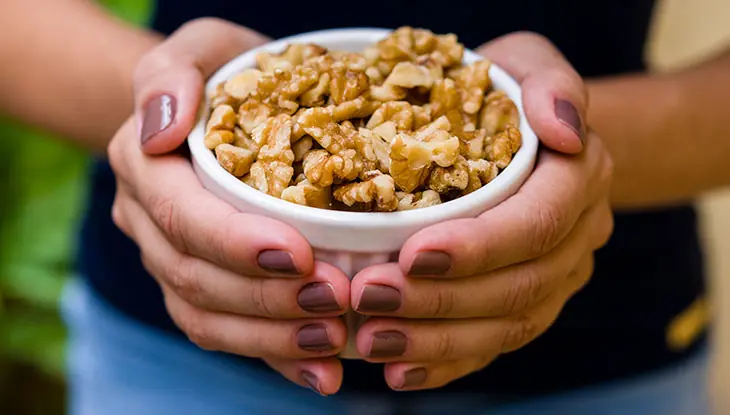
How Walnuts May Support Your Body in More Ways Than You Think 👇

Could Your Hip Pain Be Linked to Something Else? Find Out Below 👇

The Surprising Effects of Eating Boiled Eggs in the Morning
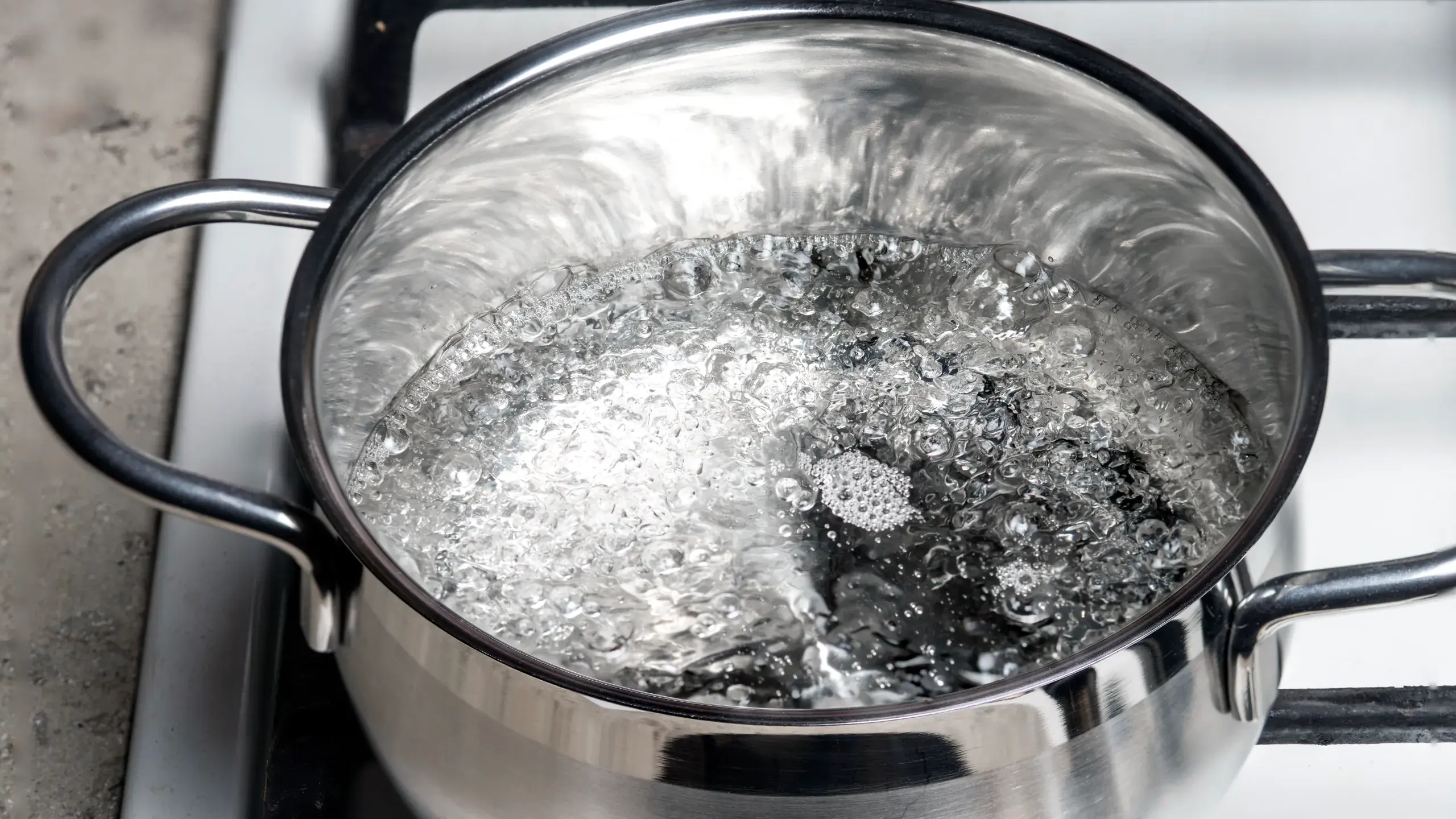
Your Daily Water-Boiling Routine Could Be Hiding These Health Risks 👇
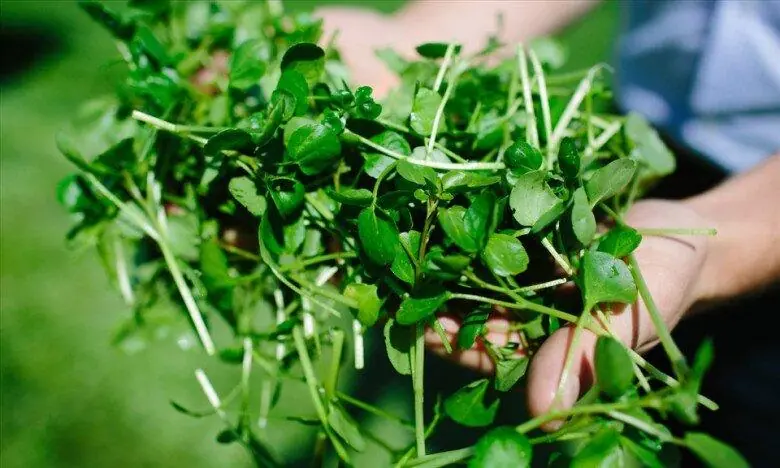
For years, kale, spinach, and other leafy greens have dominated discussions about healthy eating. Yet nutrition experts increasingly point to another vegetable that deserves a place on every plate: watercress.

If Your Legs Cramp at Night, Don't Ignore These Possible Causes
Personality quizzes have become a favorite pastime online, offering a playful way to learn more about ourselves. One of the latest viral tests asks a simple question:

Scientists Say Your Tendons Tell an Unexpected Story About Human Evolution

Start Your Day With Boiled Eggs—Your Body May Thank You for These 5 Reasons

Daily Peanut Consumption: Potential Benefits and Considerations According to Experts