The kidneys work continuously to filter waste, regulate fluids and electrolytes, support blood pressure control, and help maintain overall balance in the body. Because they process many substances that come from the foods and drinks we consume, long-term dietary habits can have a significant impact on kidney health.
Most kidney problems do not develop overnight. Instead, they often result from years of metabolic stress, uncontrolled blood pressure, diabetes, dehydration, and other lifestyle factors. While no single food instantly damages healthy kidneys, certain eating patterns may place extra strain on them over time.
Here are 3 dietary habits that kidney specialists commonly recommend limiting or managing carefully.
1. Consistently Eating Excess Sodium (Salt)
Why it matters
Sodium is an essential mineral, but excessive intake can increase blood pressure and place additional stress on the kidneys.
The kidneys help regulate sodium balance. When sodium intake remains very high for long periods, the body tends to retain more water, which can contribute to elevated blood pressure.
Common high-sodium foods
-
Processed meats (sausages, bacon, deli meats)
-
Instant noodles and packaged soups
-
Fast food
-
Salty snacks (chips, crackers)
-
Pickled and preserved foods
-
Many restaurant meals
What research suggests
Long-term high sodium intake has been associated with increased risk of high blood pressure, cardiovascular disease, and kidney damage, particularly in individuals who are already susceptible.
A practical approach
-
Choose fresh foods more often.
-
Cook at home when possible.
-
Read nutrition labels.
-
Flavor foods with herbs, spices, garlic, lemon, and vinegar instead of relying heavily on salt.
2. Frequently Consuming Sugary Drinks and Highly Processed Sweets
Why it matters
The kidneys are closely connected to metabolic health. Diets high in added sugars can contribute to weight gain, insulin resistance, and type 2 diabetes.
Diabetes is one of the leading causes of chronic kidney disease worldwide.
Examples include
-
Sugary sodas
-
Sweetened coffee drinks
-
Energy drinks
-
Candy
-
Pastries
-
Desserts with large amounts of added sugar
What research suggests
High intake of added sugars, especially from sugar-sweetened beverages, has been linked to obesity, diabetes, high blood pressure, and metabolic disorders that can indirectly harm the kidneys over time.
A practical approach
-
Choose water as the primary beverage.
-
Limit sugary drinks.
-
Eat whole fruit instead of relying heavily on sweets.
-
Reduce added sugar gradually rather than all at once if needed.
3. Excessive Intake of Processed or High-Protein Foods Without Medical Guidance
Why it matters
Protein is essential for muscle maintenance, immune function, and overall health. However, extremely high protein intake—particularly from heavily processed meats or large amounts of protein supplements—may increase the workload on the kidneys.
For people with healthy kidneys, moderate protein intake is generally well tolerated. The concern is greater for individuals who already have reduced kidney function.
Potentially problematic patterns
-
Very high-protein diets maintained long term
-
Large amounts of processed meats
-
Excessive use of protein supplements without medical advice
-
Diets that emphasize protein while neglecting fruits, vegetables, and fiber
What research suggests
People with chronic kidney disease often need individualized protein recommendations. In those with established kidney impairment, excessive protein intake may accelerate progression in some cases.
A practical approach
-
Focus on balanced meals.
-
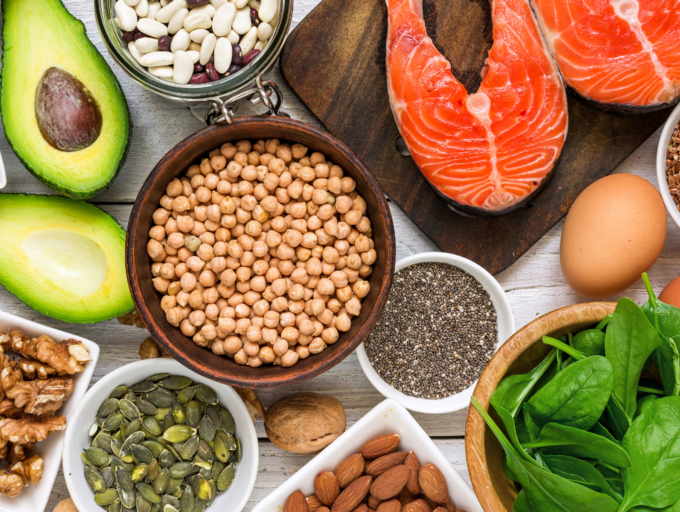
Include plant-based protein sources such as beans, lentils, and nuts when appropriate.
-
Avoid relying solely on processed meats.
-
Consult a healthcare professional before adopting an extreme high-protein diet.
Other Habits That Support Kidney Health
In addition to moderating the habits above, kidney specialists often recommend:
-
Staying adequately hydrated
-
Maintaining a healthy weight
-
Exercising regularly
-
Managing blood pressure
-
Controlling blood sugar if you have diabetes
-
Avoiding smoking
-
Using medications responsibly, including over-the-counter pain relievers
When to Seek Medical Advice
Consider discussing kidney health with a healthcare professional if you have:
-
High blood pressure
-
Diabetes
-
Swelling in the legs or ankles
-
Foamy urine
-
Blood in the urine
-
Persistent fatigue
-
A family history of kidney disease
The Bottom Line
The kidneys are resilient organs, but they can be affected by long-term dietary patterns. Excess sodium, frequent sugary drinks and processed sweets, and extreme or heavily processed high-protein diets are three habits that may increase stress on kidney function over time.
The goal is not perfection or fear of food. Rather, it is building a balanced eating pattern that supports healthy blood pressure, blood sugar, body weight, and overall metabolic health. Small, consistent improvements often provide the greatest long-term benefits for kidney protection.
Note: This information is educational and not a substitute for personalized medical advice. People with existing kidney disease should follow dietary guidance from their healthcare team.