7 Finger Changes That May Be Linked to Lung Health Problems and Shouldn’t Be Ignored 😨
Your hands can sometimes reveal more about your health than you might expect. In particular, certain changes in your fingers may be associated with underlying lung conditions. While these signs are not a diagnosis on their own, they can serve as early warning signals that something in the body may need medical attention.
Here are 7 finger changes that doctors say may be linked to lung health problems.
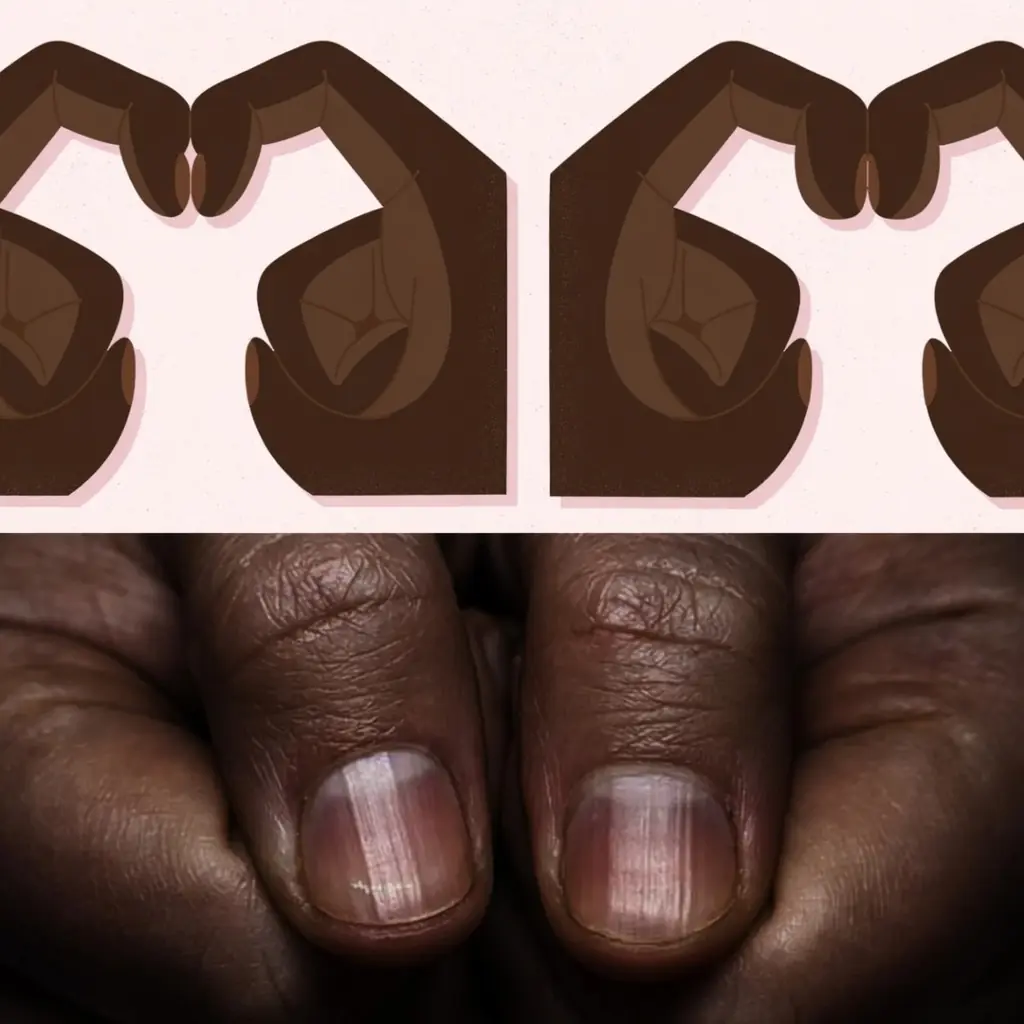
1. Clubbing of the fingers
One of the most well-known signs is “clubbing,” where the fingertips become rounder and the nails curve downward. This can be associated with long-term low oxygen levels in the blood, sometimes seen in chronic lung diseases.
2. Bluish or pale fingertips
A bluish tint in the fingers (cyanosis) may suggest reduced oxygen circulation. This can occur in conditions affecting lung function and oxygen exchange.
3. Swollen fingertips
Unexplained swelling in the fingertips may indicate fluid retention or changes in blood flow, which can sometimes be related to respiratory issues.
4. Thickened nails
Nails that become unusually thick or altered in shape may be linked to long-standing oxygen deprivation in the body.
5. Red or inflamed nail beds
Persistent redness or inflammation around the nail area can sometimes reflect circulation problems or underlying systemic conditions.
6. Trembling or finger weakness
While not specific to lung disease alone, persistent tremors or weakness in the fingers combined with breathing symptoms may indicate broader health concerns.
7. Slow nail growth or changes in nail texture
Noticeable changes in how nails grow, including slowing growth or becoming brittle, may sometimes reflect chronic health conditions affecting oxygen levels or overall metabolism.
When should you be concerned?

Most finger changes are not caused by serious illness and can be linked to minor issues like cold exposure, injury, or nutritional deficiencies. However, it is important to seek medical advice if these changes are:
- Persistent or worsening
- Accompanied by shortness of breath
- Linked with chronic cough or chest discomfort
- Associated with fatigue or unexplained weight loss
Final note
Finger changes alone do not confirm lung disease, but they can sometimes be one of the early clues your body provides. Paying attention to these signs and seeking timely medical evaluation can make a significant difference in early detection and treatment.