
The Best Sleeping Positions for Neck Support, Reflux Relief, and Better Heart Health
Changing How You Sleep May Improve Comfort, Digestion, and Heart Function
Watermelon is one of the most popular fruits of the summer. However, whether it remains a refreshing treat or becomes a potential health risk depends largely on how it is handled and consumed.
Watermelon is more than just a cooling fruit. It is also a nutritional powerhouse, consisting of approximately 94% water and containing protein, fiber, and essential vitamins. It is particularly rich in citrulline and lycopene, compounds associated with cardiovascular health, anti-inflammatory effects, and healthy skin and hair.
Despite these benefits, improper handling and storage can significantly increase the risk of foodborne illness.
Tan Dunci, a nurse from the Clinical Toxicology Department at Chang Gung Memorial Hospital in Taiwan, has repeatedly emphasized the importance of proper food safety practices when consuming watermelon. She highlights five common mistakes that should be avoided.
Eating directly from a halved watermelon with a spoon can introduce saliva and bacteria into the fruit. If the remaining portion is stored and eaten later, bacteria may multiply rapidly in the moist, nutrient-rich flesh.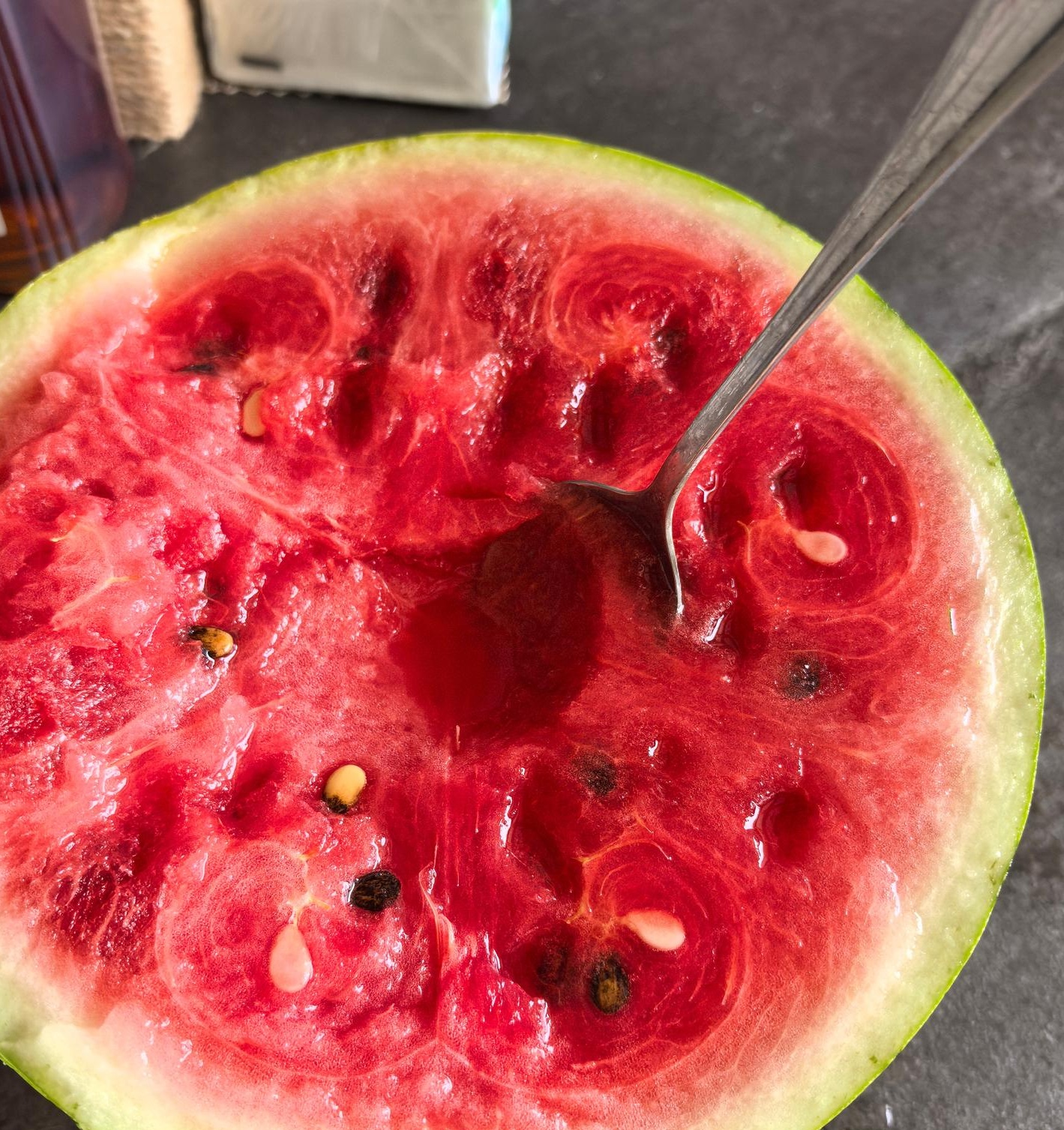
One concern is Listeria monocytogenes, a bacterium that can cause serious infections, including sepsis and meningitis, particularly in pregnant women, older adults, and individuals with weakened immune systems. Refrigeration slows many bacteria, but Listeria is capable of surviving and growing at low temperatures.
Some sources caution against eating watermelon with foods such as bananas, seafood, or lamb. However, for most healthy individuals, there is no strong scientific evidence that these combinations are inherently dangerous.
That said:
The main concern is not the combination itself, but the underlying health condition and the quantity consumed.
The outer rind of watermelon can carry bacteria, dirt, and mold from transportation and handling. If the rind is not washed before cutting, the knife may transfer contaminants to the edible flesh.
Pre-cut watermelon sold in stores may also be exposed to bacteria from equipment or handling. At home, it is best to:

Watermelon contains natural sugars. Drinking large amounts of juice, especially commercially sweetened versions, can increase overall sugar intake and contribute to blood sugar spikes.
Moderation is especially important for people with diabetes or those monitoring their calorie intake. A reasonable serving is about one cup of diced watermelon, and total fruit intake should fit within a balanced diet.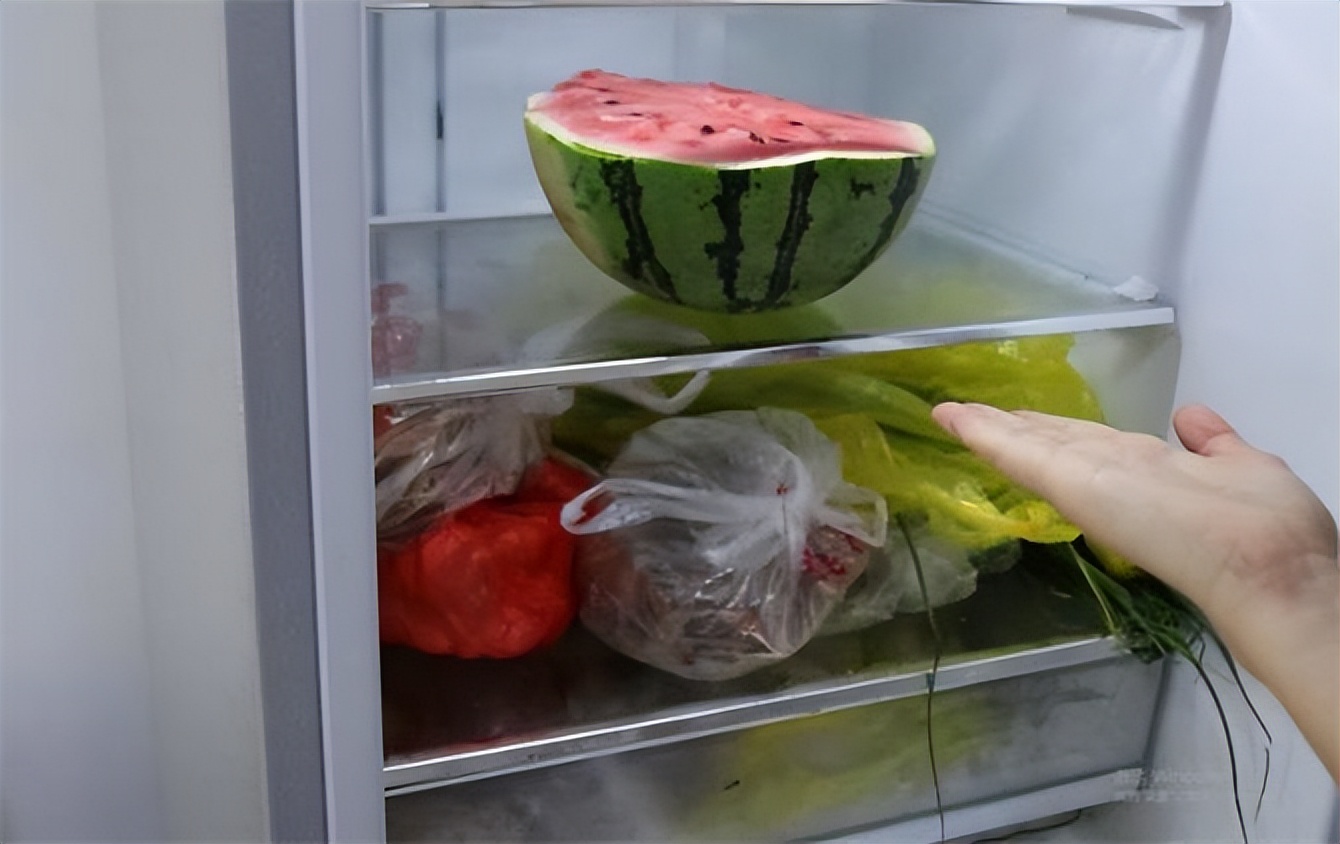
Watermelon should be discarded if it becomes:
Cut watermelon should generally be consumed within two to three days when refrigerated. Even if it still appears fresh, bacterial contamination can increase over time.
When handled properly, watermelon remains a delicious and nutritious part of a healthy diet.
Changing How You Sleep May Improve Comfort, Digestion, and Heart Function

Possible Health Reasons Behind Numbness and Tingling in the Hands

What Causes Those Tiny Bumps on Your Arms? The Truth Might Surprise You

Not Everyone Should Eat Tofu Regularly - Here Are 7 Groups That Should Be Cautious

Nighttime Health Changes? Here Are 15 Diabetes Signs to Know About

Winged Beans Could Have Powerful Effects on the Body, Experts Warn

Your Dark Neck May Be Trying to Tell You Something About Your Health

This Small Bump Might Be Your Body Reacting to Something You Do Every Day
Cauliflower Is Packed With Nutrients — Here’s What It May Do for Your Health 👇

Doctors Say Many People Ignore the Early Signs of a Mini Stroke

One Month Before a Stroke, These 10 Symptoms May Begin to Appear
Your Body May Change in Surprising Ways When You Eat Avocados Every Day 😳

Kidney Problems Often Develop Quietly — Here Are the Signs Experts Mention

Don’t ignore these warn.ing signals from your body.

Pancreatic Cancer May Cause These Unexpected Symptoms

Sweet Potatoes May Offer Surprising Health Benefits, According to Experts

Doctors Warn Certain Sleep Habits May Trigger Skin Irritation
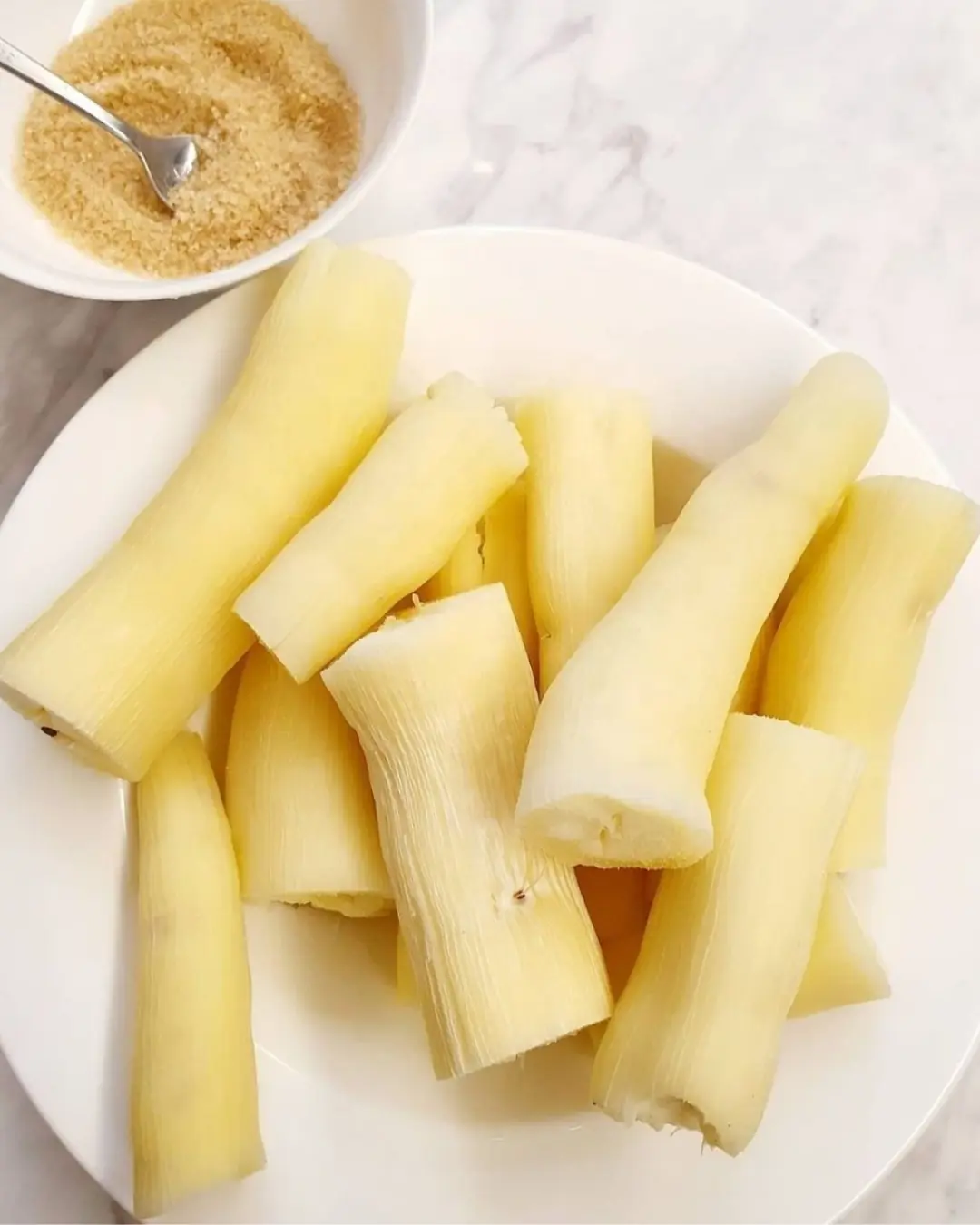
11 Things Doctors Want You to Know About Cassava

Your Body May Be Sending Warning Signals — Here Are 12 Strange Symptoms Explained
Changing How You Sleep May Improve Comfort, Digestion, and Heart Function
Possible Health Reasons Behind Numbness and Tingling in the Hands

Just One Extra Ingredient Can Make Clothes Cleaner, Fresher, and Brighter
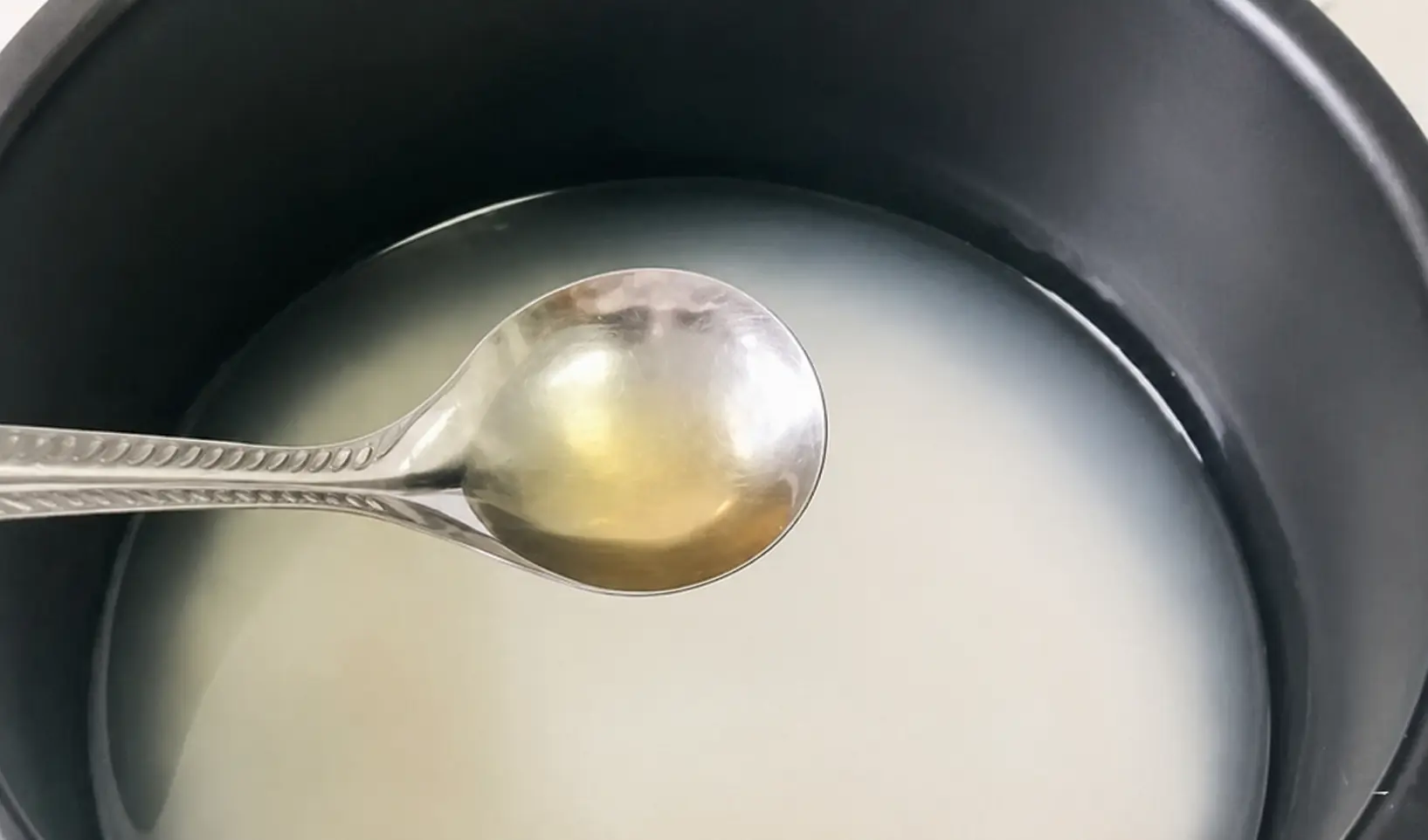
One Spoonful of Vinegar Makes a Noticeable Difference
What Causes Those Tiny Bumps on Your Arms? The Truth Might Surprise You
Not Everyone Should Eat Tofu Regularly - Here Are 7 Groups That Should Be Cautious

If You Notice a Three-Dot Tattoo, Here’s What It Could Actually Represent
Nighttime Health Changes? Here Are 15 Diabetes Signs to Know About
Winged Beans Could Have Powerful Effects on the Body, Experts Warn
Your Dark Neck May Be Trying to Tell You Something About Your Health
This Small Bump Might Be Your Body Reacting to Something You Do Every Day
Cauliflower Is Packed With Nutrients — Here’s What It May Do for Your Health 👇

Some Dogs Leave Home One Day But Why Don’t They Return?
Doctors Say Many People Ignore the Early Signs of a Mini Stroke

Guava Is Packed With Nutrients — Here’s What It May Do for Your Health
One Month Before a Stroke, These 10 Symptoms May Begin to Appear
Your Body May Change in Surprising Ways When You Eat Avocados Every Day 😳
Kidney Problems Often Develop Quietly — Here Are the Signs Experts Mention
Don’t ignore these warn.ing signals from your body.