11 Facts About Cassava Doctors Want You to Know ⚠️
Cassava is a starchy root vegetable eaten by millions of people around the world. It is especially popular in parts of Africa, Asia, and South America and is used to make foods such as tapioca, cassava flour, and many traditional dishes.
Rich in carbohydrates and naturally gluten-free, cassava can be part of a balanced diet. However, doctors and nutrition experts say there are also important health facts people should understand — especially regarding preparation and overconsumption.
Here are 11 important facts about cassava and its effects on the body.
1. Cassava Is High in Carbohydrates
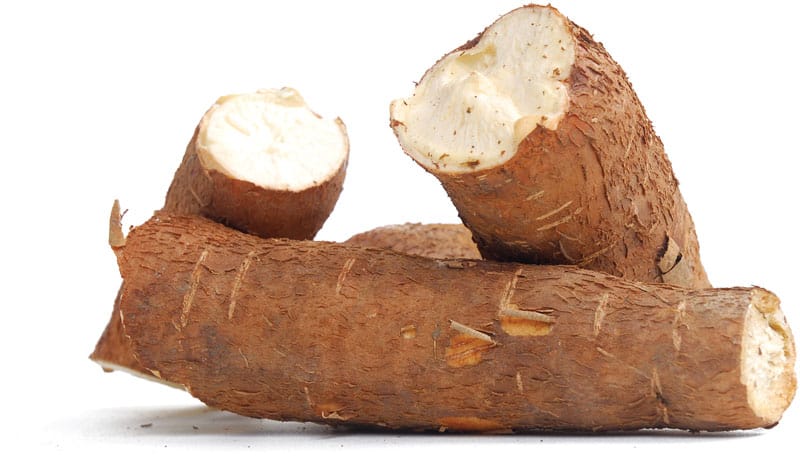
Cassava is mainly a source of carbohydrates, which provide energy for the body.
Because of its high starch content, cassava is often compared to potatoes or rice as a major energy food.
However, experts say people with diabetes or those monitoring blood sugar should pay attention to portion sizes.
2. It Is Naturally Gluten-Free
Cassava flour has become popular among people avoiding gluten.
It is often used in:
- Gluten-free baking
- Bread
- Pancakes
- Tapioca products
People with celiac disease or gluten sensitivity may use cassava as an alternative to wheat-based foods.
3. Cassava Contains Important Nutrients
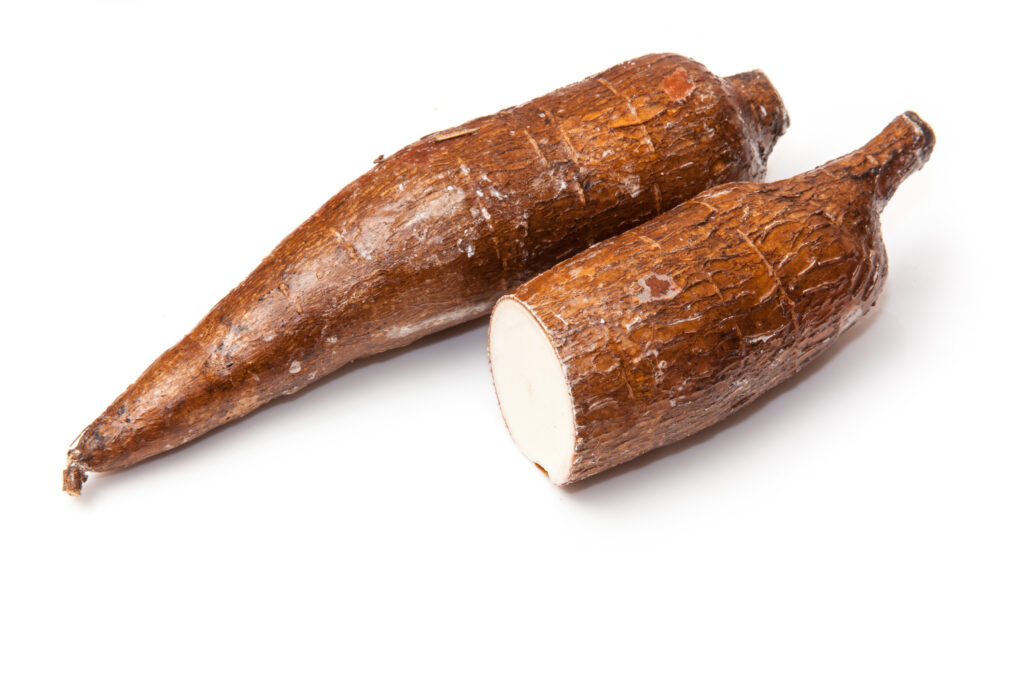
Cassava provides several nutrients, including:
- Vitamin C
- Potassium
- Magnesium
- Fiber (especially when less processed)
Vitamin C helps support the immune system and skin health.
4. Proper Preparation Is Extremely Important
Doctors strongly warn that raw cassava should never be eaten.
Cassava naturally contains compounds called cyanogenic glycosides, which can release cyanide if the root is not properly prepared.
Safe preparation methods usually include:
- Peeling
- Soaking
- Fermenting
- Thorough cooking
Improperly prepared cassava may be dangerous, especially when consumed frequently.
5. Cassava May Raise Blood Sugar Quickly
Because cassava is high in starch, it can cause rapid increases in blood sugar levels in some people.
Highly processed cassava products may have a higher glycemic impact.
Experts recommend pairing cassava with:
- Protein
- Fiber-rich vegetables
- Healthy fats
This may help slow glucose absorption.
6. Cassava Leaves Are Also Eaten in Some Countries

In many regions, cassava leaves are consumed as vegetables.
Cassava leaves contain:
- Protein
- Vitamins
- Minerals
However, like the root, the leaves must also be properly cooked to reduce toxic compounds.
7. Cassava May Support Energy Levels
Due to its carbohydrate content, cassava can provide a quick source of energy.
This is one reason it remains a staple food in many communities around the world.
Athletes and physically active individuals sometimes use cassava-based foods for energy replenishment.
8. Excessive Consumption May Have Risks
Experts caution that relying too heavily on cassava without dietary variety may contribute to nutritional imbalance.
Cassava is relatively low in:
- Protein
- Healthy fats
- Certain essential nutrients
A diet based mainly on cassava without sufficient protein and micronutrients may lead to deficiencies over time.
9. Cassava Flour Is Popular in Processed Foods
Cassava flour and tapioca starch are commonly found in:
- Snacks
- Gluten-free products
- Bubble tea pearls
- Desserts
However, some processed cassava foods may contain added sugar, sodium, or unhealthy fats.
Doctors recommend reading nutrition labels carefully.
10. Cassava May Affect Certain Health Conditions
People with diabetes, kidney disease, or metabolic conditions should discuss dietary choices with a healthcare professional.
Because cassava can influence blood sugar and potassium intake, moderation may be important for some individuals.
11. Moderation and Balanced Nutrition Matter
Doctors emphasize that cassava itself is not “bad.” In fact, it has fed populations for generations.
The key is:
- Proper preparation
- Moderation
- Dietary balance
Eating cassava alongside vegetables, protein sources, and other nutrient-rich foods may help support a healthier diet overall.
The Bottom Line
Cassava is an important food for millions of people and can provide energy and certain nutrients. However, experts say it should always be properly prepared and eaten as part of a balanced diet.
While cassava may offer benefits such as gluten-free nutrition and energy support, overconsumption or improper preparation may pose health risks.
Understanding both the benefits and limitations of cassava can help people make safer and healthier dietary choices.
Sources
- World Health Organization (WHO)
- Food and Agriculture Organization of the United Nations (FAO)
- Harvard T.H. Chan School of Public Health
- Medical News Today – Cassava Benefits and Risks