Simple Remedies That May Help Improve Cracked Heels and Nail Fungus 👣
Cracked heels and nail fungus are common foot problems that affect millions of people. While they may seem minor at first, doctors warn that ignoring them can sometimes lead to discomfort, pain, infections, or worsening skin and nail damage over time.
The good news is that proper foot care and simple daily habits may help improve symptoms and support healthier feet and nails.
Here’s what experts recommend.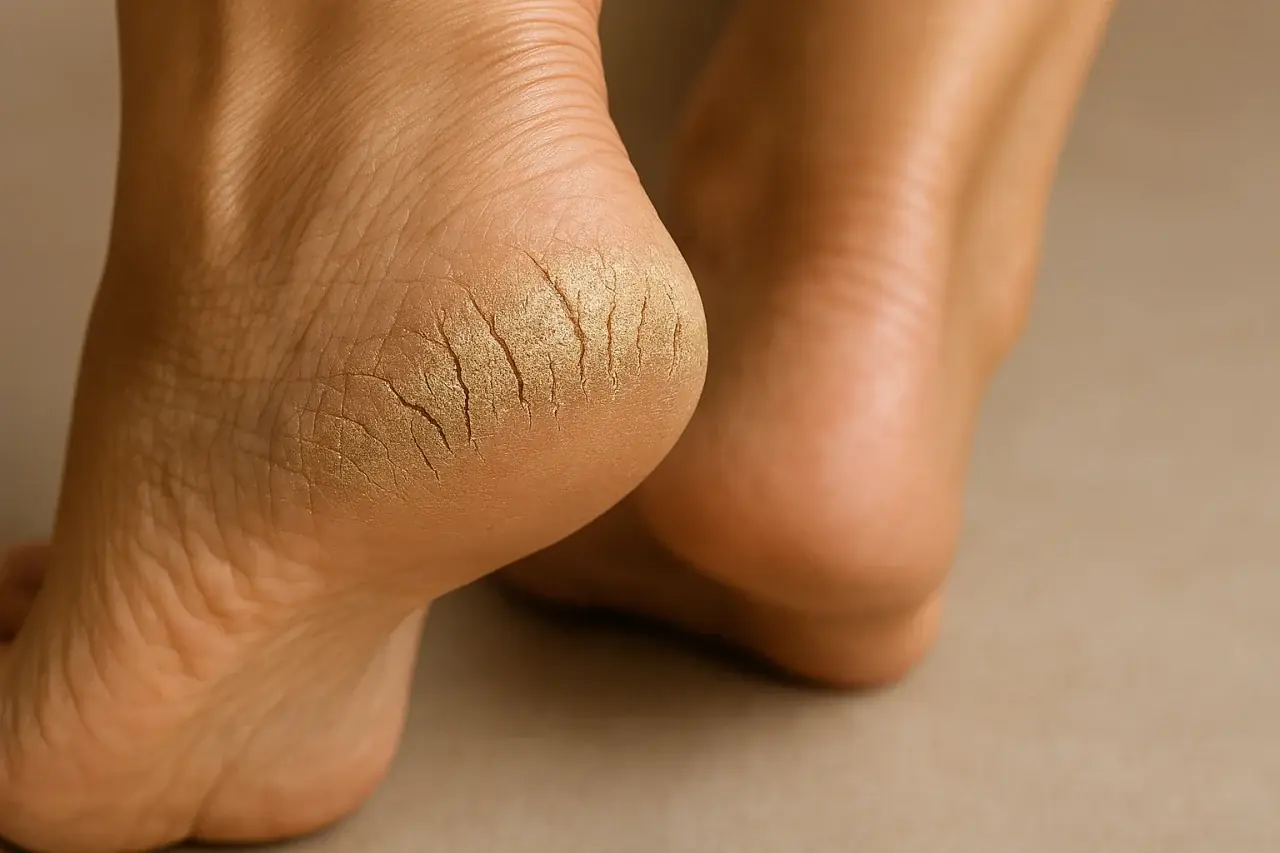
What Causes Cracked Heels?
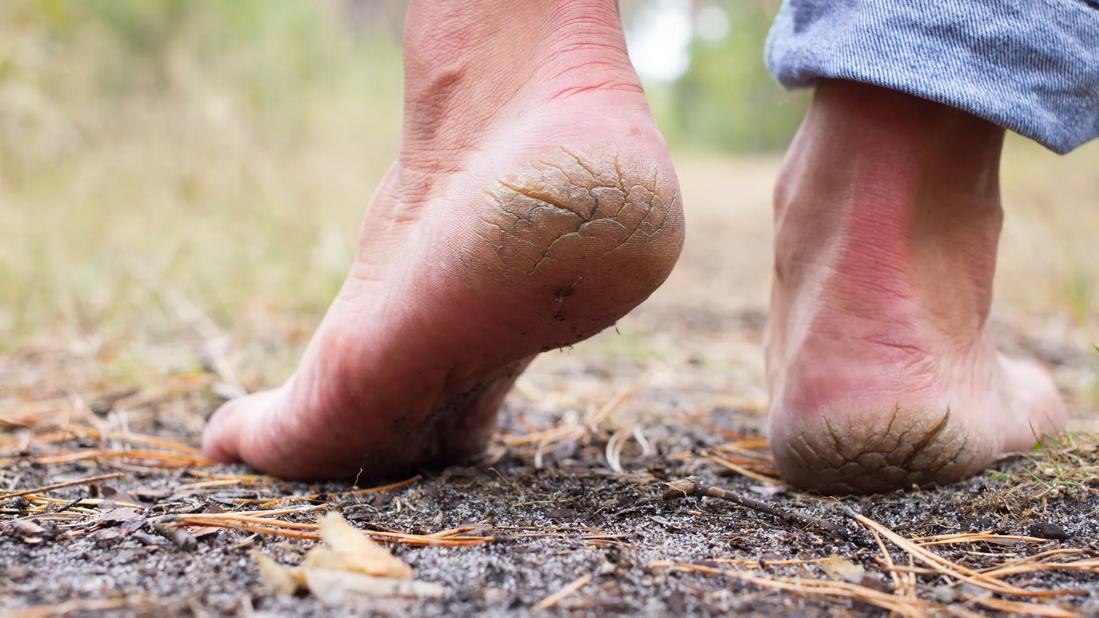
Cracked heels usually happen when the skin around the heels becomes dry, thick, and less flexible.
Common causes include:
- Dry skin
- Standing for long periods
- Walking barefoot
- Obesity
- Poorly fitting shoes
- Cold weather
- Diabetes
- Aging
In severe cases, the cracks may become painful or even bleed.
What Causes Nail Fungus?
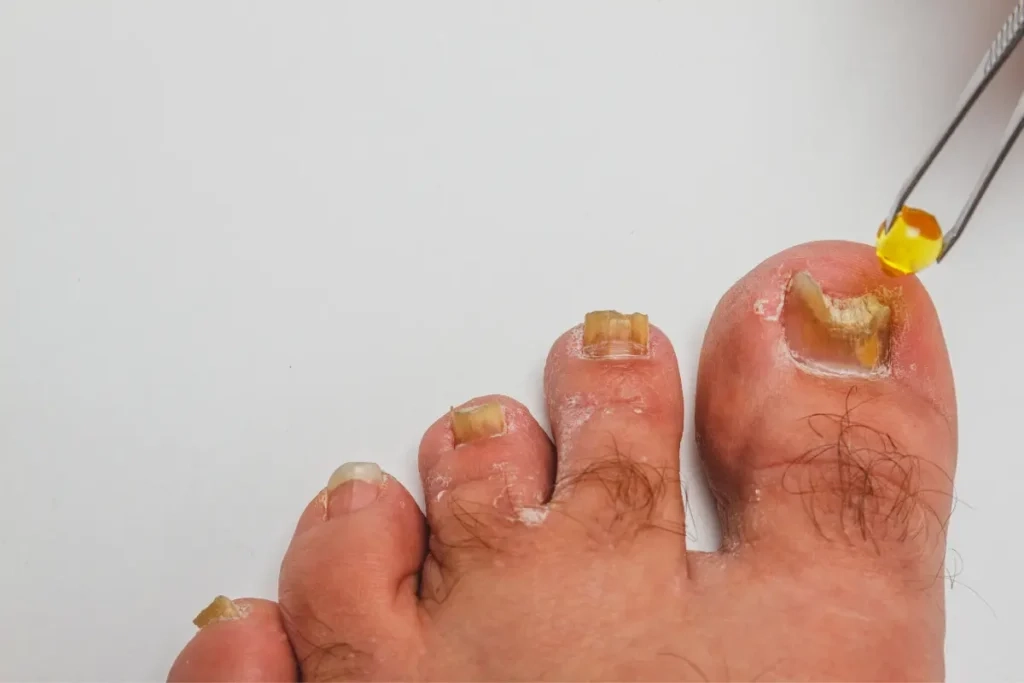
Nail fungus, also called fungal nail infection, occurs when fungi grow under or inside the nail.
It often affects toenails more than fingernails because fungi thrive in warm, moist environments.
Symptoms may include:
- Thick nails
- Yellow or brown discoloration
- Brittle or crumbling nails
- Distorted nail shape
- Bad odor
The infection can spread if left untreated.
1. Soak Your Feet Regularly
Doctors say soaking the feet in warm water for about 10–15 minutes may help soften dry skin and thick nails.
Some people add:
- Mild soap
- Epsom salt
- Diluted vinegar
After soaking, gently dry the feet completely, especially between the toes.
Moisture trapped in the feet may encourage fungal growth.
2. Moisturize Cracked Heels Daily
Keeping the skin hydrated is one of the most important steps for cracked heels.
Experts often recommend thick moisturizers containing:
- Urea
- Petroleum jelly
- Glycerin
- Shea butter
Applying moisturizer before bedtime and wearing cotton socks overnight may help lock in moisture.
Avoid walking barefoot on hard surfaces whenever possible.
3. Gently Remove Thick Dead Skin
Using a pumice stone or foot file after soaking may help reduce thick, rough skin.
However, doctors warn against:
- Cutting the skin yourself
- Scraping too aggressively
- Using sharp tools at home
People with diabetes or circulation problems should consult a healthcare professional before attempting foot scraping.
4. Keep Nails Clean and Dry
For nail fungus, keeping feet dry is extremely important.
Doctors recommend:
- Changing socks daily
- Wearing breathable shoes
- Avoiding damp footwear
- Trimming nails straight across
- Disinfecting nail clippers regularly
Fungi tend to grow faster in moist environments.
5. Try Over-the-Counter Antifungal Treatments
Mild fungal infections may improve with antifungal creams, sprays, or medicated nail treatments.
However, nail fungus can take months to improve because toenails grow slowly.
More severe infections may require prescription treatment from a doctor.
6. Avoid Sharing Personal Foot Items
Nail fungus can spread through shared items.
Experts recommend avoiding sharing:
- Nail clippers
- Shoes
- Socks
- Towels
- Foot files
Public showers, gyms, and swimming pools may also increase the risk of fungal infections.
7. Watch for Signs of Infection
Doctors say cracked heels or nail fungus should not be ignored if symptoms worsen.
Seek medical advice if you notice:
- Redness
- Swelling
- Bleeding
- Pus
- Severe pain
- Difficulty walking
- Spreading discoloration
People with diabetes should be especially careful because foot infections may become serious more quickly.
The Bottom Line
Cracked heels and nail fungus are common conditions, but early care may help prevent them from becoming more severe. Simple habits like moisturizing, keeping feet clean and dry, and wearing proper footwear can support healthier feet over time.
While home remedies may help mild cases, persistent or worsening symptoms should always be evaluated by a healthcare professional.
Sources
- American Academy of Dermatology
- Mayo Clinic – Nail Fungus
- Cleveland Clinic – Cracked Heels
- National Health Service (NHS)