Tofu has long been praised as a nutritious, affordable, and versatile food. Made from soybeans, tofu is rich in plant-based protein and widely consumed in many parts of Asia and around the world. It is commonly associated with healthy eating because it contains important nutrients while being relatively low in calories.
For many people, tofu can absolutely be part of a balanced diet. However, despite its health benefits, tofu is not necessarily ideal for everyone in every situation. Certain individuals may need to limit their intake or consume tofu more carefully depending on their health conditions, allergies, medications, or nutritional needs.
Understanding who should be cautious with tofu does not mean tofu is “bad.” Instead, it highlights the importance of personalized nutrition and moderation.
Here are seven groups of people who may need to be more careful when consuming tofu.
Why Tofu Is Considered Healthy

Before discussing possible concerns, it’s important to understand why tofu is so popular nutritionally.
Tofu contains:
- Plant-based protein
- Iron
- Calcium
- Magnesium
- Healthy fats
- Isoflavones (natural plant compounds)
It may support:
- Heart health
- Muscle maintenance
- Bone health
- Weight management
- Plant-based diets
However, certain components of soy may interact differently depending on a person’s body and medical history.
1. People With Soy Allergies
One of the clearest groups that should avoid tofu is people with soy allergies.
Soy is among the most common food allergens worldwide.
Symptoms of soy allergy may include:
- Skin rashes
- Hives
- Swelling
- Stomach pain
- Vomiting
- Breathing difficulty
In severe cases, soy exposure may trigger life-threatening allergic reactions.
Anyone diagnosed with soy allergy should avoid tofu and other soy-based products unless specifically advised otherwise by a healthcare professional.
2. People With Certain Thyroid Conditions

Some experts recommend caution with excessive soy intake for people with thyroid disorders, especially hypothyroidism.
Soy contains compounds called goitrogens, which may interfere with thyroid hormone production in some situations, particularly when iodine intake is insufficient.
This does not necessarily mean people with thyroid disease must completely avoid tofu. However:
- Moderation may be important
- Proper iodine intake matters
- Timing around thyroid medication may matter
Some thyroid medications are absorbed less effectively when taken too close to soy foods.
3. People With Kidney Stones or High Oxalate Concerns
Tofu and soy products may contain oxalates, compounds linked to certain types of kidney stones.
People prone to calcium oxalate stones may need to monitor foods high in oxalates depending on medical advice.
This does not automatically mean tofu causes kidney stones, but excessive intake in susceptible individuals may contribute to risk when combined with other dietary factors.
Hydration and balanced nutrition remain important.
4. People With Hormone-Sensitive Conditions
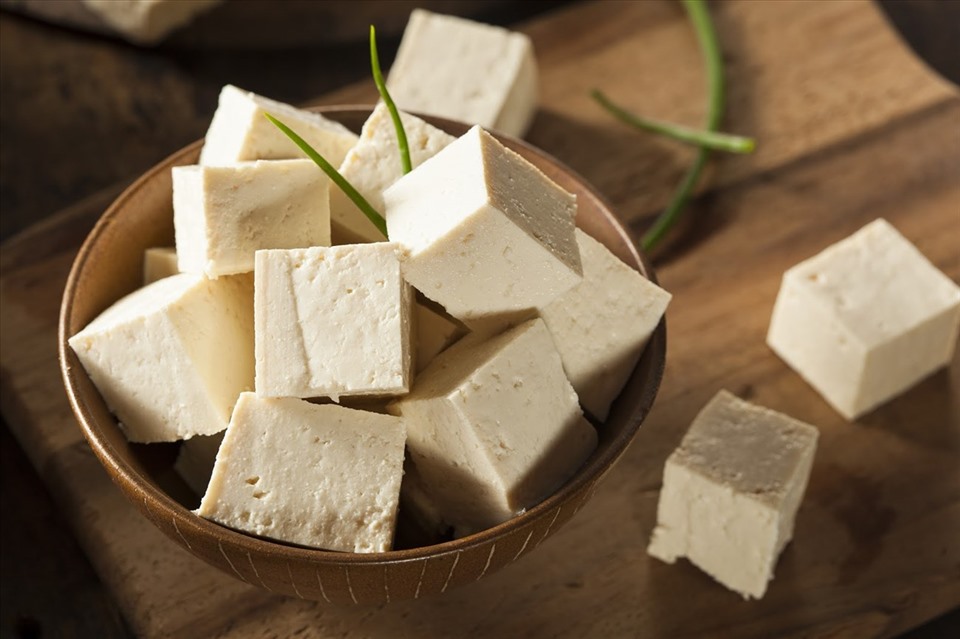
Tofu contains isoflavones, plant compounds sometimes called phytoestrogens because they can weakly mimic estrogen in the body.
Researchers continue studying how soy affects hormone-sensitive conditions such as:
- Certain breast cancers
- Endometriosis
- Hormonal disorders
Current evidence is complex, and moderate soy consumption is considered safe for many people. In fact, some studies suggest soy may even offer benefits.
However, individuals with hormone-sensitive medical conditions should discuss soy intake with healthcare providers to determine what level is appropriate for them personally.
5. People With Digestive Sensitivities
Some individuals experience digestive discomfort after eating tofu or soy products.
Possible symptoms include:
- Bloating
- Gas
- Stomach discomfort
- Indigestion
This may happen because soy contains compounds and fibers that some digestive systems process less comfortably.
Fermented soy foods are sometimes easier to tolerate than heavily processed soy products.
Portion size and preparation method may also influence symptoms.
6. People Taking Certain Medications
Soy products may interact with certain medications.
Examples may include:
- Thyroid medications
- Some hormone-related treatments
- Certain mineral absorption concerns
For example, calcium-rich tofu may affect how some medications are absorbed if consumed too closely together.
People taking prescription medications should ask healthcare providers whether timing or soy intake needs adjustment.
7. People Who Rely on Tofu as Their Only Protein Source
Although tofu is nutritious, relying too heavily on a single food may create nutritional imbalance.
Some people following restrictive diets may consume tofu excessively while neglecting:
- Variety
- Whole grains
- Vegetables
- Other protein sources
- Essential nutrients
Balanced nutrition works best when multiple food groups are included.
Even healthy foods can become problematic if eaten excessively while replacing dietary diversity.
Common Myths About Tofu
Myth 1: Tofu Is Automatically Unhealthy
For most people, moderate tofu intake is considered safe and nutritious.
Myth 2: Tofu Completely Replaces All Proteins
While tofu is protein-rich, variety remains important.
Myth 3: Everyone Must Avoid Soy
Most healthy adults can consume soy foods without problems unless specific medical issues exist.
Healthy Ways To Enjoy Tofu
For people who tolerate soy well, tofu can be prepared in many healthy ways:
- Stir-fried with vegetables
- Added to soups
- Grilled
- Steamed
- Mixed into salads
- Used in curries
Less processed preparations are often healthier than deep-fried tofu products loaded with sodium or sauces.
How Much Tofu Is Too Much?
There is no universal “perfect” amount because nutritional needs vary.
Moderation is generally considered key.
For most healthy individuals, moderate soy consumption as part of a balanced diet is unlikely to cause harm.
Problems are more likely when:
- Intake becomes excessive
- Underlying medical conditions exist
- Nutritional balance is poor
Final Thoughts
Tofu remains one of the world’s most popular plant-based foods for good reason. It provides protein, minerals, and versatility while fitting into many healthy eating patterns. However, despite its benefits, tofu may not be ideal for everyone in all circumstances.
People with soy allergies, thyroid concerns, digestive sensitivities, certain hormone-related conditions, kidney stone risk, medication interactions, or highly restrictive diets may need to approach tofu more carefully.
The key is not fear but balance, awareness, and personalized nutrition. Even healthy foods work best when they are consumed thoughtfully and as part of a varied diet.