Winged beans may not be as globally famous as broccoli, spinach, or kale, but in many parts of Asia, Africa, and tropical regions, they are considered an incredibly nutritious food. Often called a “super plant,” nearly every part of the winged bean plant is edible — including the pods, leaves, flowers, seeds, and roots.
Rich in protein, fiber, vitamins, and minerals, winged beans have attracted growing attention from nutrition experts for their potential health benefits. However, like many foods, consuming them regularly can affect the body in different ways depending on preparation, quantity, and individual health conditions.
So what actually happens to the body when winged beans become part of the regular diet?
Here’s what experts say.
What Are Winged Beans?

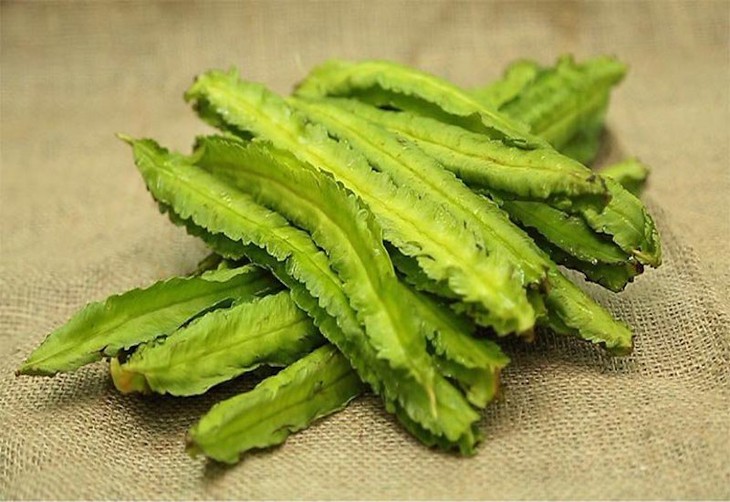
Winged beans are tropical legumes scientifically known as Psophocarpus tetragonolobus. They are easily recognized by their unique four-winged edges running along the pods.
They are popular in many Southeast Asian dishes and are often eaten:
- Raw in salads
- Stir-fried
- Boiled
- Steamed
- Added to soups and curries
Because of their nutrient density, some agricultural experts consider them one of the most versatile edible plants in the world.
1. Your Body Receives More Plant-Based Protein
One of the most impressive features of winged beans is their protein content.
Unlike many vegetables, winged beans contain relatively high levels of plant protein, especially in their seeds.
Protein is essential for:
- Muscle repair
- Hormone production
- Immune function
- Tissue growth
- Energy balance
For people reducing meat intake, winged beans may help provide additional protein in a plant-based diet.
Some experts even compare the protein quality of winged bean seeds to soybeans.
2. Digestion May Improve
Winged beans contain dietary fiber, which may support digestive health.
Fiber can help:
- Promote regular bowel movements
- Support healthy gut bacteria
- Increase feelings of fullness
- Slow digestion
- Improve stool consistency
A fiber-rich diet is often associated with healthier digestion and better metabolic function.
However, people who suddenly increase fiber intake too quickly may experience temporary bloating or gas.
3. Blood Sugar Levels May Become More Stable
Because winged beans contain fiber and protein, they may help slow the absorption of sugar into the bloodstream.
This can potentially:
- Reduce rapid blood sugar spikes
- Support energy stability
- Increase satiety after meals
For people managing insulin resistance or blood sugar concerns, balanced portions of fiber-rich legumes may be beneficial as part of an overall healthy diet.
Still, preparation methods matter. Deep-frying or adding excessive sugar or sauces can reduce nutritional benefits.
4. The Heart May Benefit
Winged beans contain nutrients linked to cardiovascular health, including:
- Potassium
- Magnesium
- Fiber
- Antioxidants
Potassium may help balance sodium levels, which plays a role in blood pressure regulation.
Fiber is also associated with healthier cholesterol levels and improved heart health when included in a balanced diet.
Additionally, antioxidant compounds in vegetables may help reduce oxidative stress in the body.
5. You May Feel Fuller Longer
Foods containing both protein and fiber tend to increase fullness.
Regularly eating winged beans may help:
- Reduce overeating
- Improve appetite control
- Support weight management goals
This is partly because fiber slows digestion while protein promotes satiety.
People who replace heavily processed snacks with fiber-rich vegetables and legumes often notice more stable energy throughout the day.
6. Your Body Gets Important Vitamins and Minerals

Winged beans provide various micronutrients, including:
- Iron
- Calcium
- Vitamin C
- Vitamin A
- Folate
These nutrients contribute to:
- Immune support
- Bone health
- Red blood cell production
- Skin health
- Eye function
The leaves and pods are especially valued in some traditional diets because of their nutrient density.
7. Some People May Experience Digestive Discomfort
Like many legumes, winged beans contain natural compounds that can cause digestive symptoms in certain individuals.
Possible effects include:
- Gas
- Bloating
- Mild stomach discomfort
This happens because legumes contain complex carbohydrates and fiber that gut bacteria ferment during digestion.
Cooking thoroughly often helps reduce these effects.
People with sensitive digestive systems may benefit from introducing legumes gradually rather than suddenly eating large amounts.
8. Raw Winged Beans Should Be Eaten Carefully
Some experts advise caution with excessive consumption of raw legumes because certain natural compounds may interfere with digestion or nutrient absorption when eaten in large amounts.
Cooking winged beans properly can help reduce these compounds and improve digestibility.
Steaming, boiling, or stir-frying are commonly recommended preparation methods.
9. They May Support Sustainable Nutrition
Winged beans are gaining attention not only for health reasons but also for agricultural sustainability.
Experts appreciate them because:
- The plants grow efficiently in tropical climates
- Nearly all parts are edible
- They can enrich soil naturally through nitrogen fixation
As global interest in plant-based nutrition grows, winged beans are increasingly recognized as a valuable food source.
Are Winged Beans Safe for Everyone?
Most people can enjoy winged beans safely as part of a balanced diet.
However, people with:
- Legume allergies
- Certain digestive disorders
- Kidney-related dietary restrictions
should consult healthcare professionals if unsure about large or frequent consumption.
Moderation and variety remain important with any food.
Healthy Ways to Eat Winged Beans
Popular preparation ideas include:
- Stir-fried with garlic
- Added to soups
- Mixed into salads
- Lightly steamed
- Combined with lean proteins
- Used in vegetable curries
Simple cooking methods often preserve nutrients while improving flavor and digestibility.

Final Thoughts
Winged beans may not receive as much international attention as other vegetables, but they are packed with nutrients that can positively influence the body in many ways. From supporting digestion and heart health to providing plant-based protein and important vitamins, these tropical legumes offer impressive nutritional value.
At the same time, consuming them excessively or improperly prepared may cause digestive discomfort for some individuals.
Like many healthy foods, the greatest benefits usually come from balance, variety, and proper preparation. For people looking to explore nutrient-rich plant foods, winged beans may be one of the most underrated vegetables worth adding to the plate.