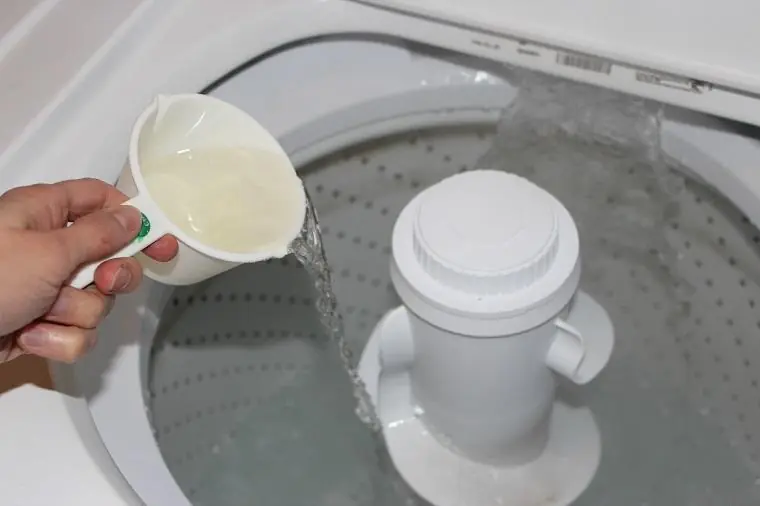
Want Cleaner Clothes? Just Add This Ingredient to Your Wash
Just One Extra Ingredient Can Make Clothes Cleaner, Fresher, and Brighter
Tips 14/05/2026 16:56
Just adding a spoonful of vinegar when cooking rice can make a clear difference in how fluffy and separate the grains turn out.
Rice contains two main types of starch: amylose and amylopectin. When rice is cooked with water, the starch granules absorb moisture, swell, and undergo gelatinization. During this process, amylose tends to leach out of the grains and disperse into the surrounding water.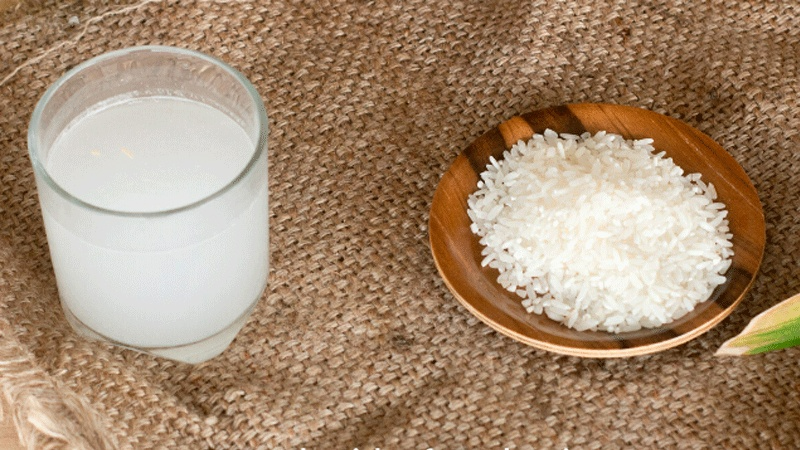
This “free” starch is what creates stickiness between rice grains. When too much amylose is released, the rice is more likely to become clumpy and sticky, especially if too much water is used or the rice is stirred excessively.
Vinegar is a mild acidic solution, primarily composed of acetic acid. When a small amount is added to the cooking water, the slightly acidic environment affects the starch structure in two important ways:
1. Prevents Excessive Swelling of Starch
The acid slows down the gelatinization process, helping the rice grains maintain their shape instead of bursting and breaking apart.
2. Reduces the Amount of Amylose Released
When the outer layer of each grain remains more stable, less starch escapes into the water, which reduces the tendency of the grains to stick together.
As a result, the cooked rice tends to be fluffier, with grains that remain more separate than when cooked using conventional methods.
In addition, the mildly acidic environment helps slow oxidation, allowing the rice to retain a brighter white color. This is one reason some restaurants use vinegar when cooking rice or preparing rice-based dishes.
Several everyday cooking habits can increase the amount of free starch and cause rice to become gummy:
In these situations, adding a small amount of vinegar can help improve the texture, but it cannot completely compensate for improper cooking techniques.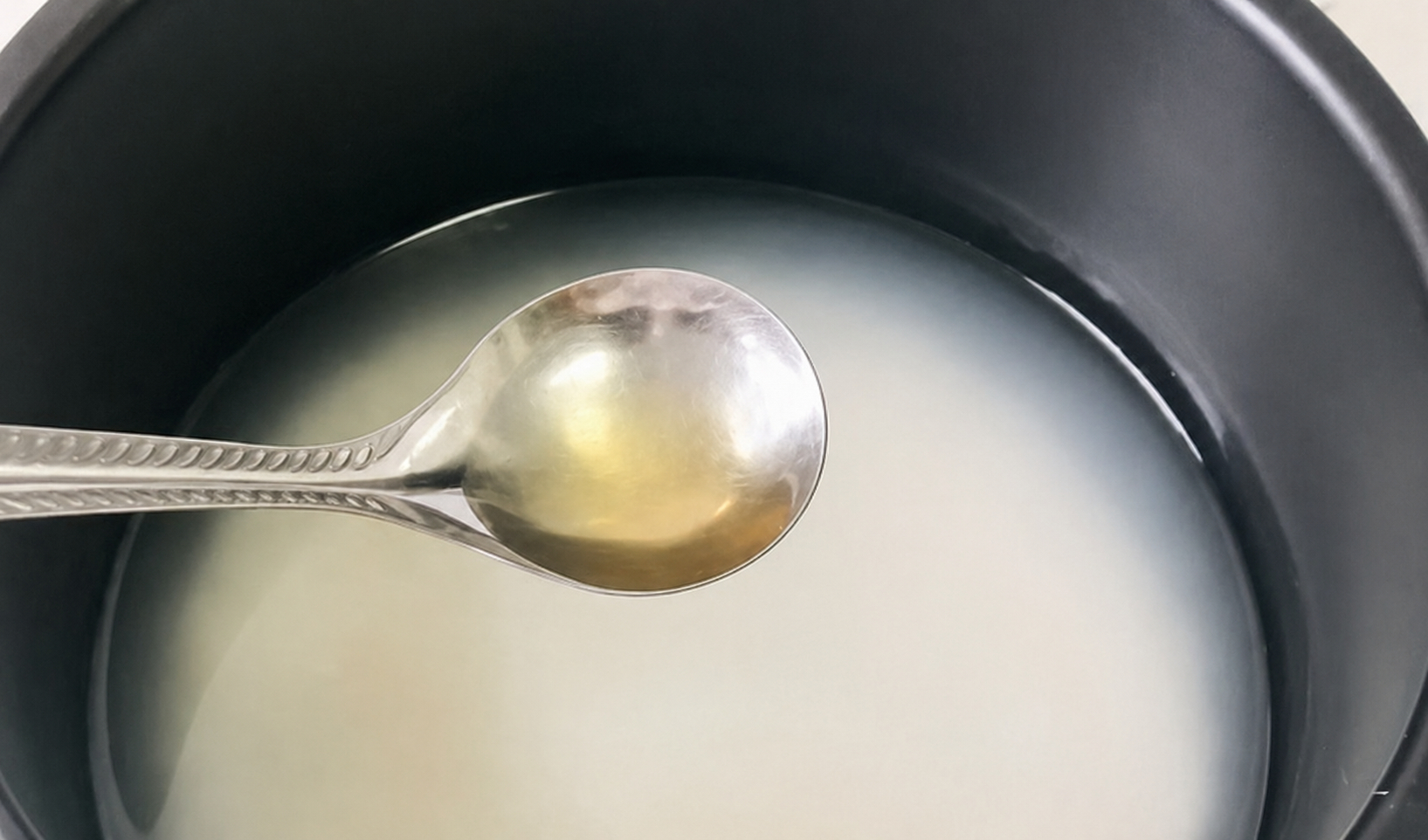
When used in small amounts, vinegar does not leave a sour taste. Instead, it can subtly enhance the natural sweetness of the rice.
Do not use too much vinegar, as excessive acidity can alter the flavor and texture, making the rice slightly firmer. For best results, use only a modest amount.
Just One Extra Ingredient Can Make Clothes Cleaner, Fresher, and Brighter
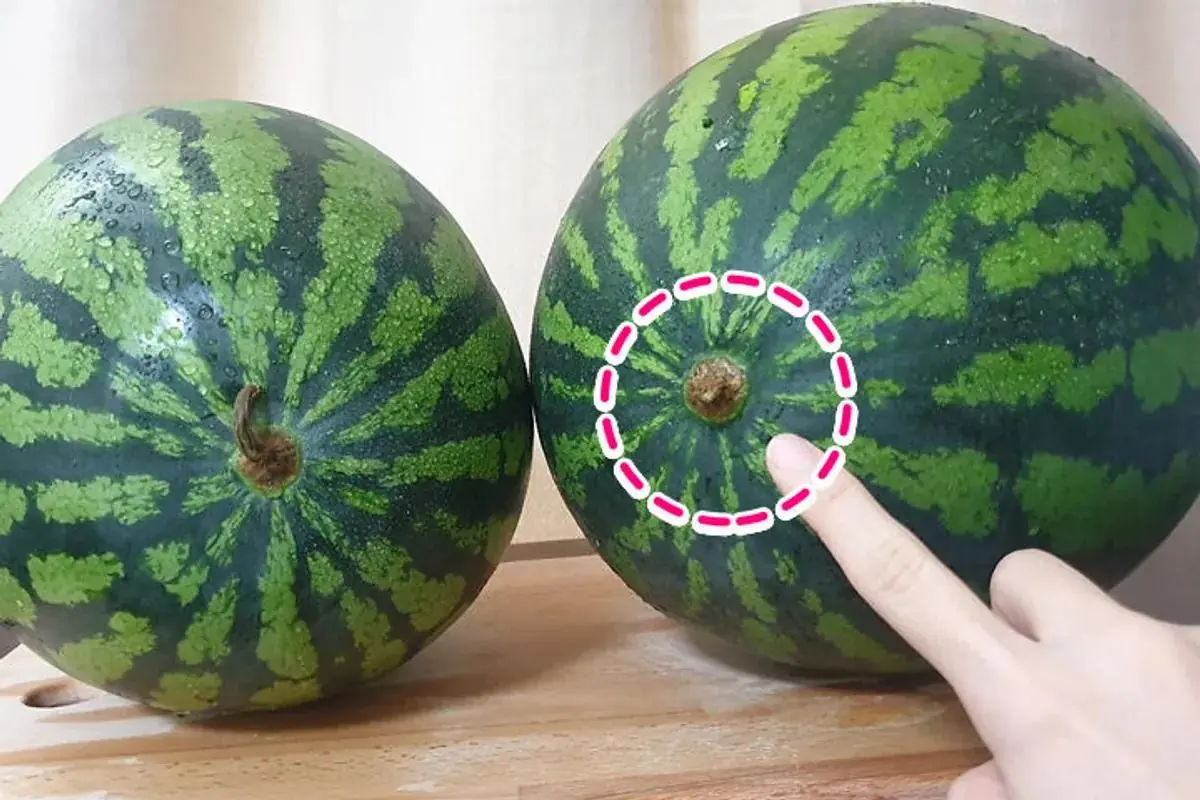
Simple Tricks to Find a Sweet Watermelon With Deep Red Flesh

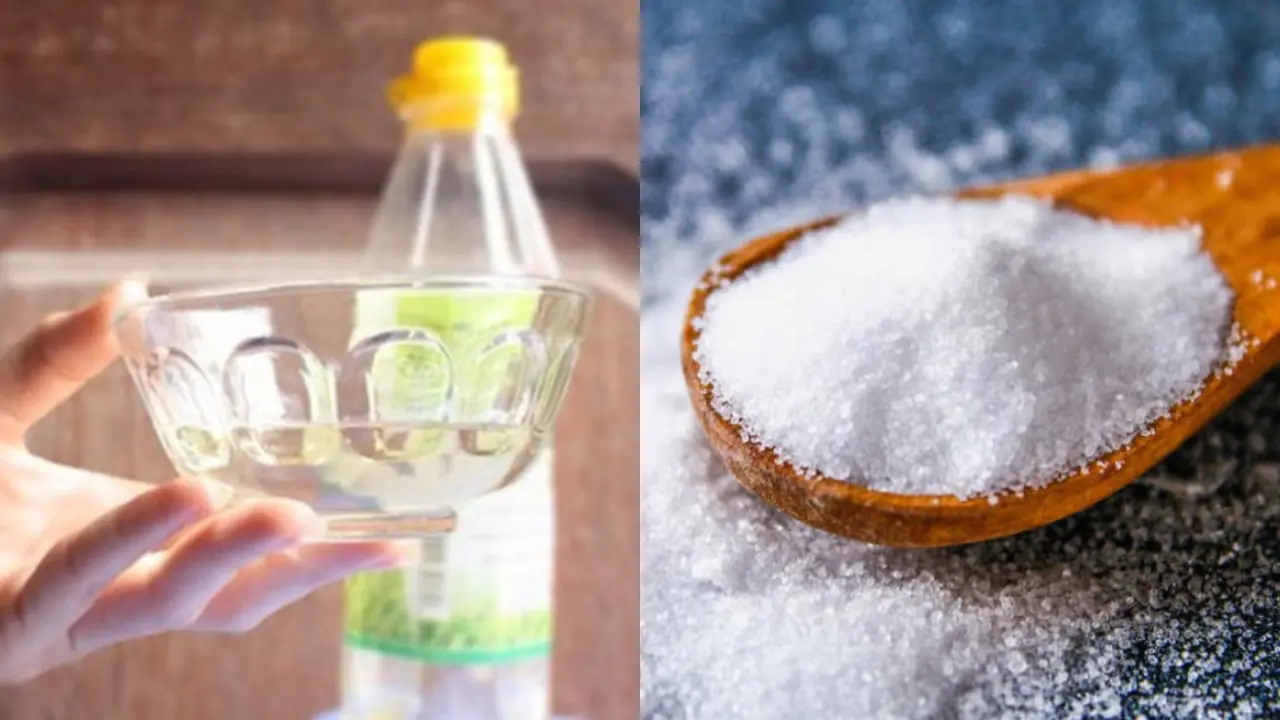
Many People Use Water, Vinegar, and Salt to Naturally Cleanse Their Homes
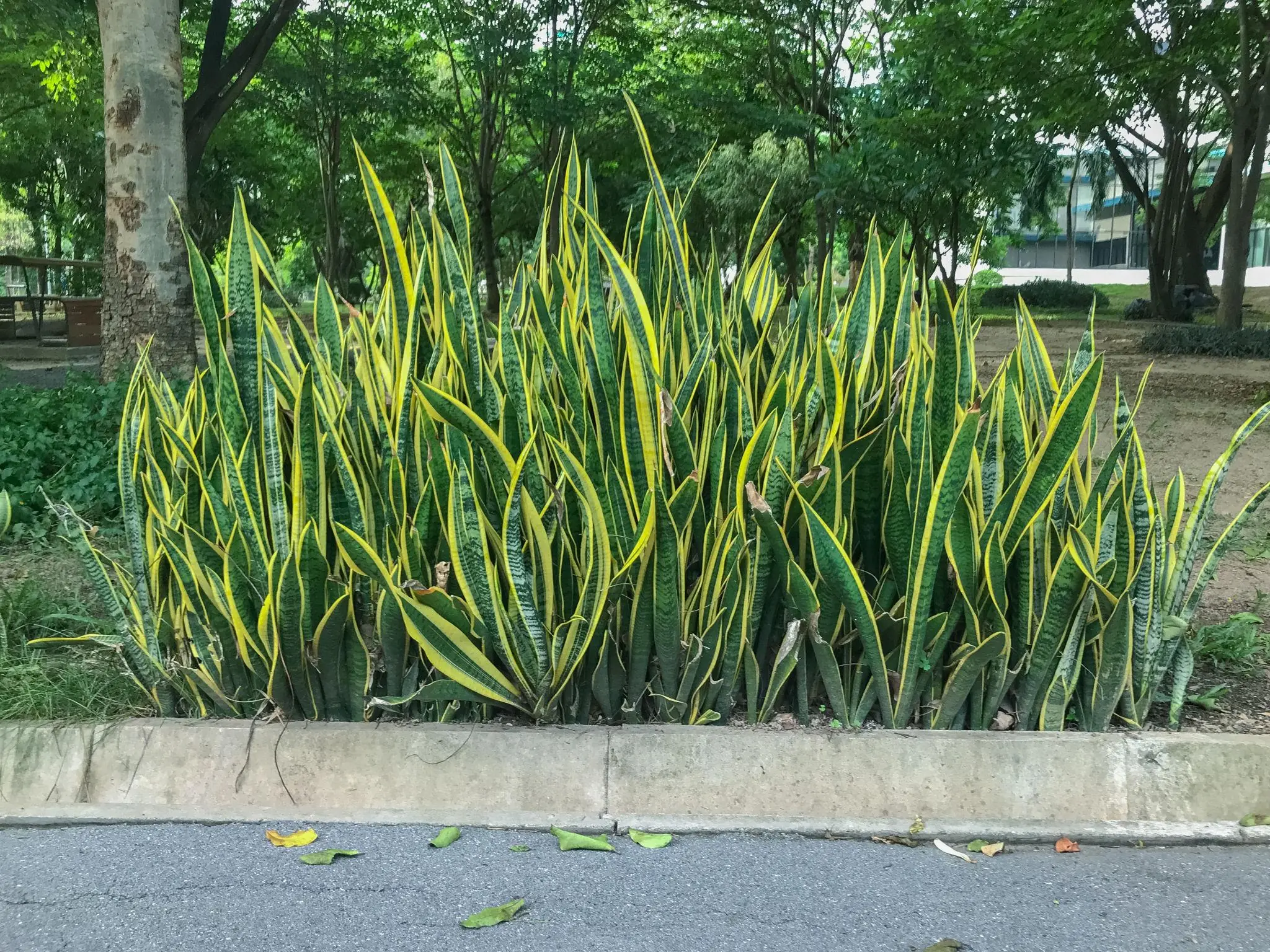
Snakes Tend to Avoid the Smell of These 3 Plants

The real purpose of the “E” on your gear shift may surprise many drivers

Doctors reveal why showering at night may affect your body differently

5 types of fish that are very cheap but full of to.xins 😰

The Surprising Truth Few People Know
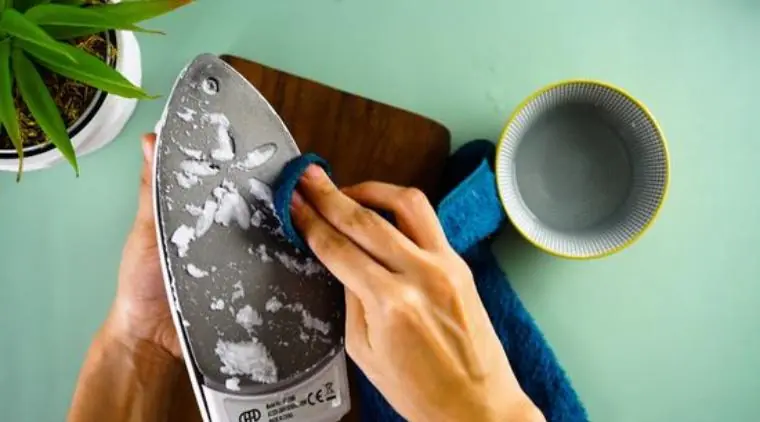
How Salt Can Help Clean a Sticky Iron and Improve Smooth Gliding?

Many homeowners accidentally make this dangerous mistake when they see a snake

The way couples sleep may reveal more about their relationship than they realize
Most people buy tomatoes without noticing this small detail 🍅
Red Peanuts vs White Peanuts: What Makes Them Different?
The Fascinating Household Uses of Lemons Sprinkled With Salt
Doctors may not talk about it enough
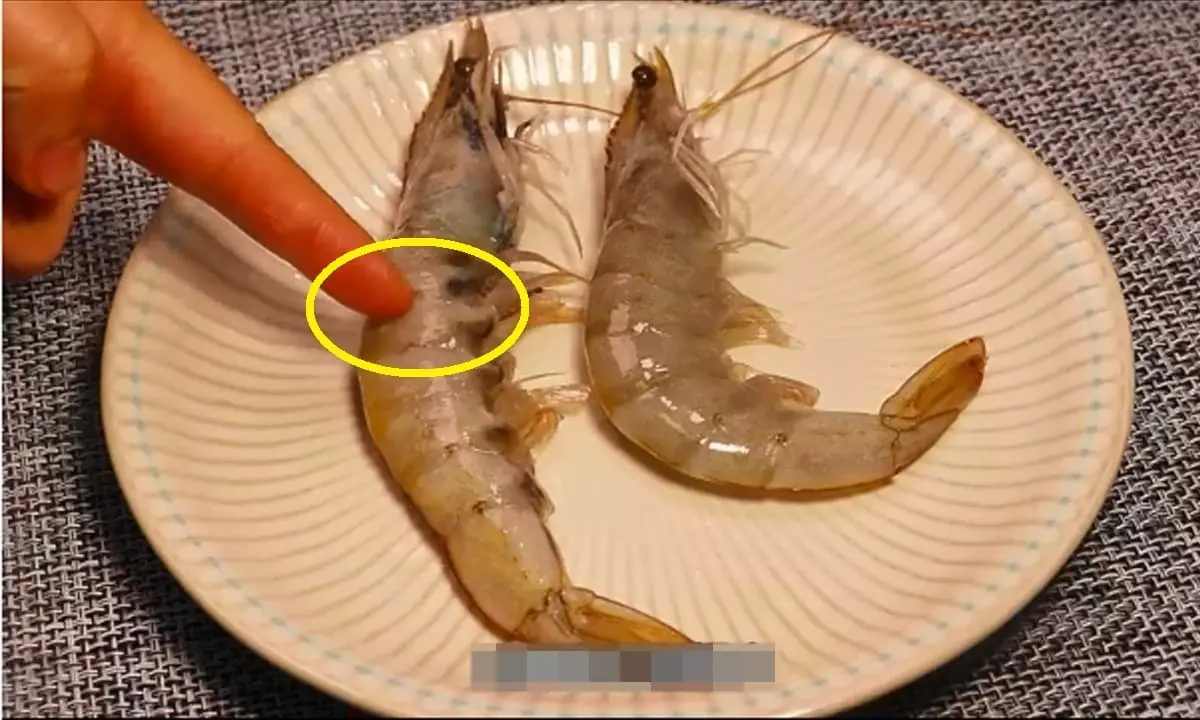
Few people know this.
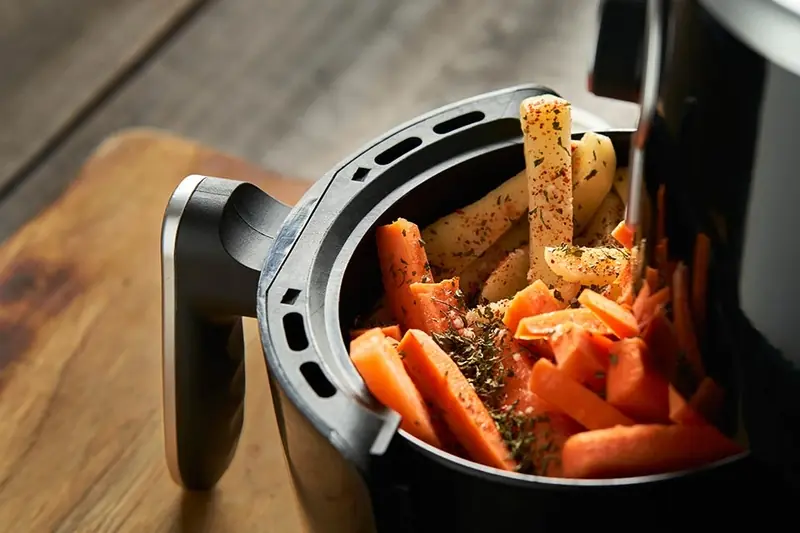
Air Fryers Can Handle More Than Fries - 5 Creative Uses to Know

Changing How You Sleep May Improve Comfort, Digestion, and Heart Function

Possible Health Reasons Behind Numbness and Tingling in the Hands
Just One Extra Ingredient Can Make Clothes Cleaner, Fresher, and Brighter
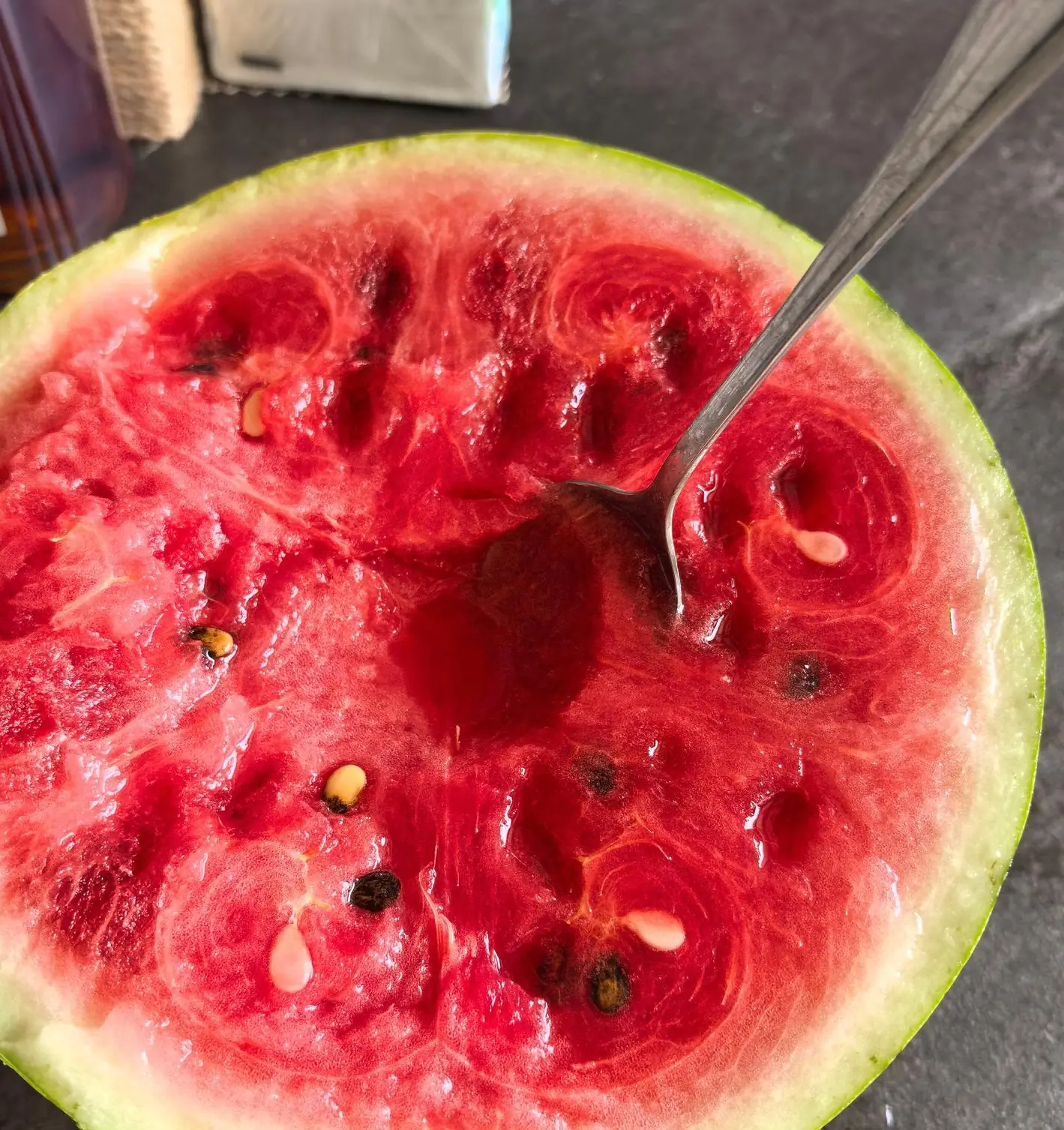
A War.ning for People Who Love Eating Watermelon

What Causes Those Tiny Bumps on Your Arms? The Truth Might Surprise You
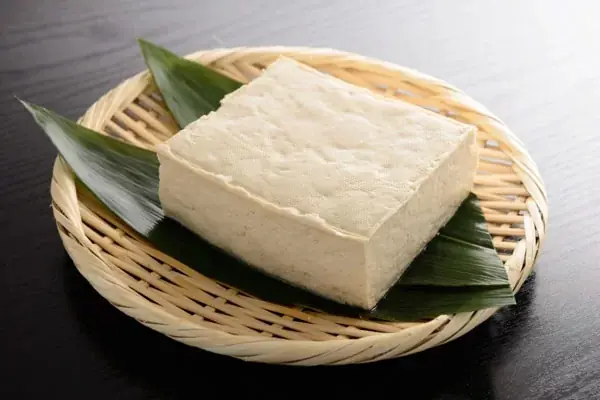
Not Everyone Should Eat Tofu Regularly - Here Are 7 Groups That Should Be Cautious

If You Notice a Three-Dot Tattoo, Here’s What It Could Actually Represent

Nighttime Health Changes? Here Are 15 Diabetes Signs to Know About
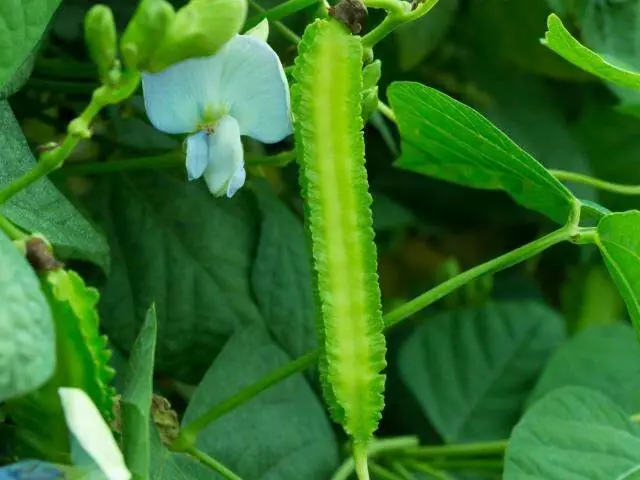
Winged Beans Could Have Powerful Effects on the Body, Experts Warn

Your Dark Neck May Be Trying to Tell You Something About Your Health

This Small Bump Might Be Your Body Reacting to Something You Do Every Day
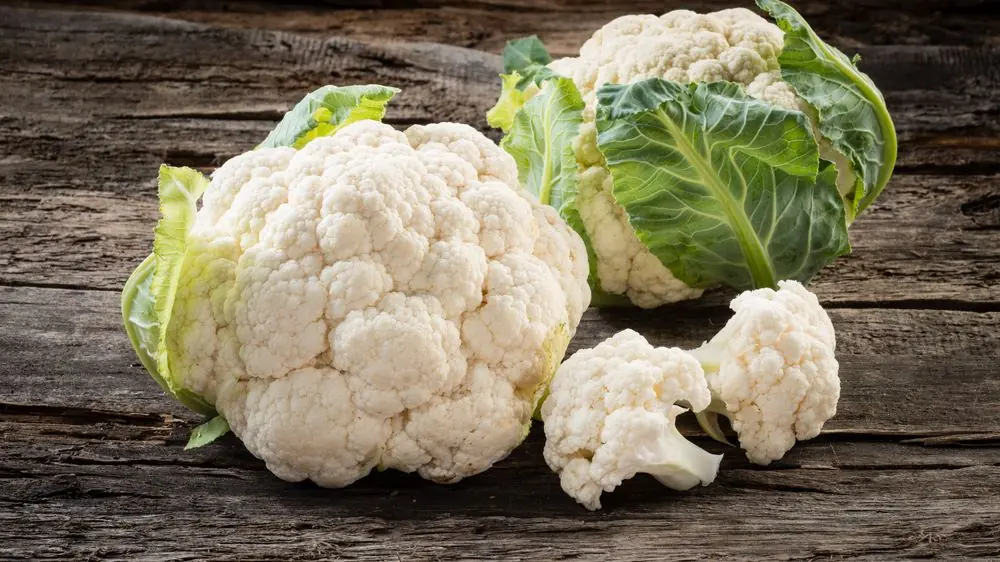
Cauliflower Is Packed With Nutrients — Here’s What It May Do for Your Health 👇

Some Dogs Leave Home One Day But Why Don’t They Return?

Doctors Say Many People Ignore the Early Signs of a Mini Stroke
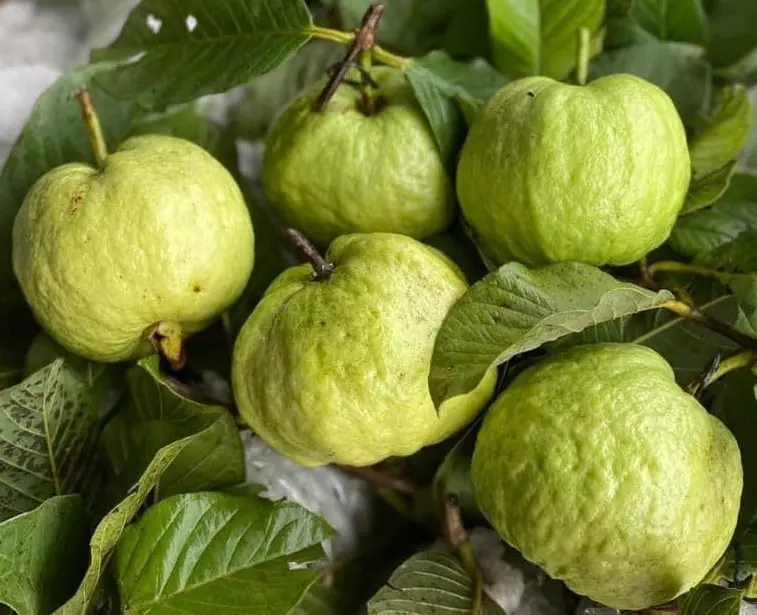
Guava Is Packed With Nutrients — Here’s What It May Do for Your Health

One Month Before a Stroke, These 10 Symptoms May Begin to Appear
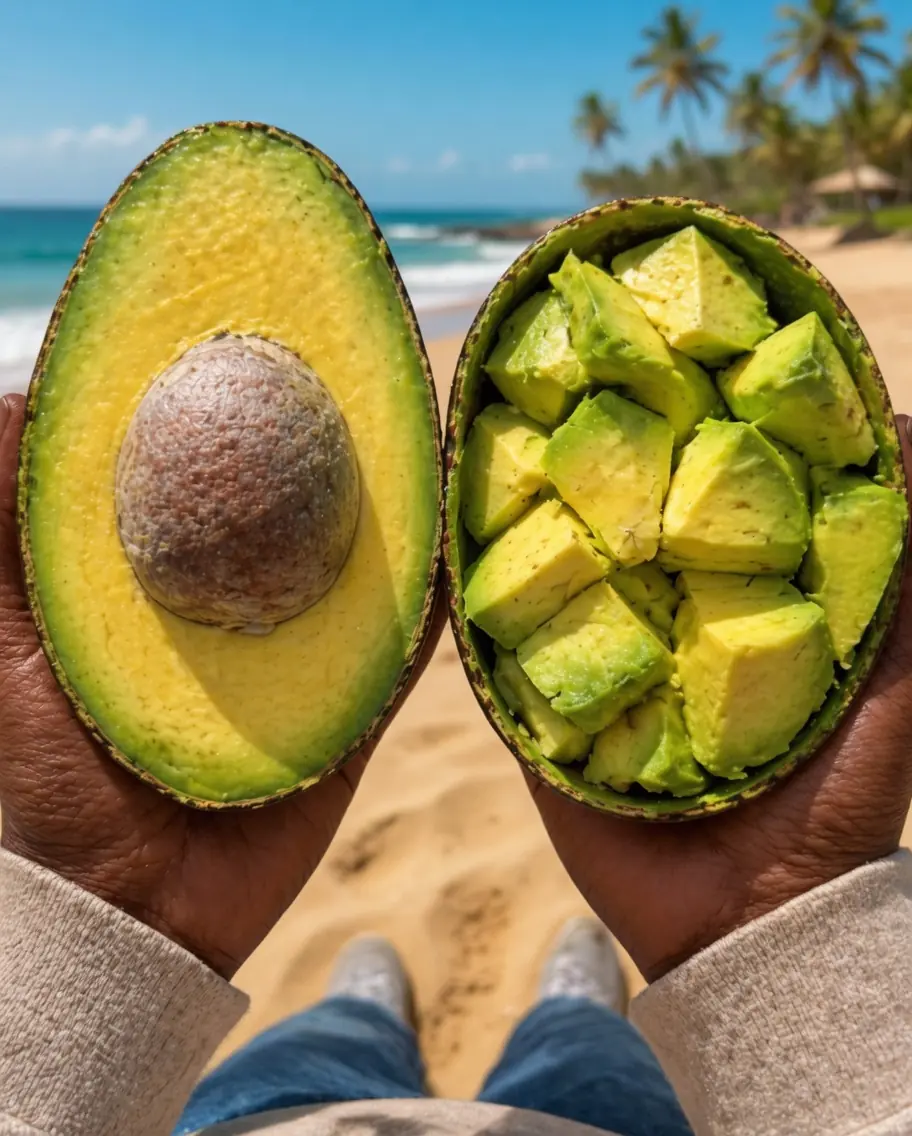
Your Body May Change in Surprising Ways When You Eat Avocados Every Day 😳

Kidney Problems Often Develop Quietly — Here Are the Signs Experts Mention

Don’t ignore these warn.ing signals from your body.