The medical team will also assess vital signs and perform a neurological examination.
Brain Imaging
A CT scan is often performed quickly to determine whether bleeding is present.
MRI may also be used to identify certain areas of brain injury, depending on the circumstances and availability.
Imaging is important because ischemic and hemorrhagic strokes require different treatment approaches.
Blood Tests and Heart Evaluation
Blood tests may help identify conditions that affect treatment decisions.
Doctors may assess blood glucose, blood counts, kidney function, and other relevant measurements.
An electrocardiogram may be used to identify an abnormal heart rhythm.
Additional monitoring can help detect atrial fibrillation or other potential causes of a clot.
Treatment for Ischemic Stroke
Some patients with ischemic stroke may be eligible for clot-dissolving medication.
This treatment is time-sensitive and depends on factors such as symptom onset, imaging findings, medical history, and contraindications.
Selected patients with large-vessel blockages may benefit from a procedure called mechanical thrombectomy.
During this procedure, specialists use a catheter to remove a clot from a blocked artery.
Not every patient is eligible, but these treatments have significantly changed modern stroke care.
Treatment for Hemorrhagic Stroke
Hemorrhagic stroke requires a different approach.
Treatment may involve careful blood pressure management, reversal of certain blood-thinning medications, intensive monitoring, and sometimes surgery or other procedures.
The exact treatment depends on the location and severity of the bleeding.
This is why self-treatment at home is dangerous.
A person with a suspected stroke needs medical assessment before anyone can determine the appropriate treatment.
Can a Stroke Be Prevented Completely?
No prevention strategy can guarantee that a person will never experience a stroke.
Some risk factors cannot be changed.
Others may remain important even when someone follows medical advice and maintains healthy habits.
However, managing modifiable risk factors can substantially reduce the likelihood of stroke.
The greatest benefit often comes from addressing several factors together.
For example, a person with high blood pressure, diabetes, and high cholesterol may need a combination of medication, dietary improvements, physical activity, and regular monitoring.
Treating only one condition while ignoring the others may leave important risks unaddressed.
This is why regular preventive healthcare is valuable even when a person feels healthy.
A routine appointment can identify problems before they produce obvious symptoms.
It also gives patients an opportunity to discuss family history, medication use, sleep, physical activity, and other factors that influence cardiovascular health.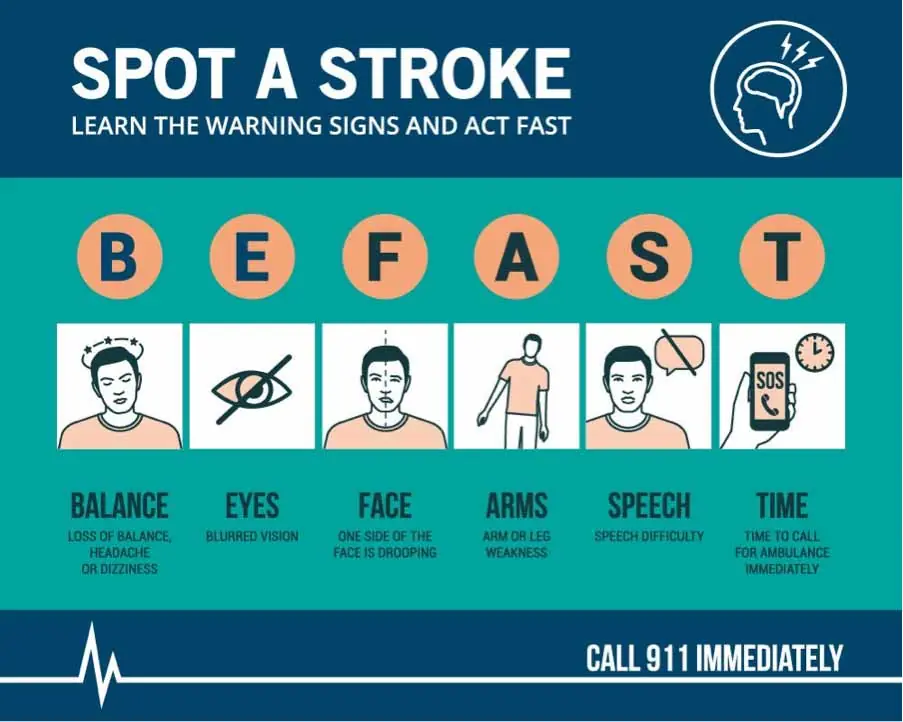
A Simple Weekly Routine for Better Stroke Prevention
Preventing stroke does not require complicated routines or expensive products.
A practical weekly schedule can help people maintain healthier habits.
Monday: Check blood pressure if recommended, review medication, and plan balanced meals.
Tuesday: Take a brisk walk or participate in another suitable form of moderate exercise.
Wednesday: Include vegetables, fruit, whole grains, and a healthy protein source in daily meals.
Thursday: Review food labels and reduce heavily salted or highly processed foods.
Friday: Spend time on an enjoyable physical activity and avoid prolonged sitting.
Saturday: Prepare meals for the coming week and make time for relaxation.
Sunday: Review personal health goals and arrange any medical appointments that may be due.
This is only an example.
People with existing medical conditions should adapt their routines according to professional advice.
Consistency is more important than trying to make dramatic changes for a few days and then abandoning them.
The Most Dangerous Mistake: Waiting Until Symptoms Disappear
One of the biggest challenges in stroke awareness is that people sometimes wait too long before seeking help.
They may believe that numbness will disappear.
They may assume that difficulty speaking is caused by tiredness.
They may think sudden dizziness is simply a result of standing up too quickly.
Sometimes the symptoms do disappear.
But that does not mean the underlying problem is harmless.
A temporary episode of weakness, facial drooping, speech difficulty, or sudden visual loss may be a TIA.
It may also represent a stroke whose symptoms have changed or improved.
The only safe way to determine what happened is through urgent medical assessment.
The difference between seeking help immediately and waiting until the next day can be extremely important.
Modern stroke treatment is time-sensitive.
The earlier the patient reaches an appropriate medical facility, the sooner doctors can determine whether treatments that protect brain tissue are available.
Families should therefore learn the main warning signs before an emergency occurs.
Children, adults, and older people can all benefit from understanding the importance of sudden neurological changes.
Frequently Asked Questions About Stroke Warning Signs
Can a stroke really give warning signs one month before it happens?
Not reliably.
There is no established medical pattern showing that eight particular symptoms appear exactly 30 days before a stroke.
Some people experience a TIA before a major stroke. Its symptoms may include sudden weakness, numbness, speech problems, vision changes, and loss of balance.
A TIA can occur days or weeks before a subsequent stroke, but the timing varies. Some people experience no warning episode at all.
Can shoulder pain be an early warning sign of stroke?
Ordinary shoulder pain is not a recognized reliable predictor of stroke.
Shoulder pain is commonly associated with muscles, tendons, joints, and nerves.
However, if shoulder discomfort occurs alongside sudden weakness, numbness, facial drooping, or speech difficulty, the neurological symptoms require emergency attention.
Does waking up with a numb arm mean a stroke is coming?
Not necessarily.
An arm may become numb after sleeping in an awkward position or putting pressure on a nerve.
However, sudden unexplained weakness or numbness, especially when it affects one side of the body, should be assessed urgently.
If it is accompanied by facial changes, speech problems, or visual disturbances, call emergency services immediately.
Can a mini-stroke happen without pain?
Yes.
A TIA may cause sudden weakness, numbness, vision changes, or speech difficulties without causing any pain.
The absence of pain does not make the episode less serious.
Can young adults have strokes?
Yes.
Although stroke risk generally increases with age, younger adults can also experience strokes.
High blood pressure, smoking, diabetes, certain heart conditions, blood vessel abnormalities, and other medical factors can contribute.
Sudden stroke symptoms should be treated as an emergency regardless of age.
Does a normal blood pressure reading mean there is no risk of stroke?
No.
Blood pressure is an important risk factor, but it is not the only one.
A person may have a normal reading and still have risk factors involving cholesterol, diabetes, atrial fibrillation, smoking, or other conditions.
A single normal measurement cannot rule out a future stroke.
Can healthy eating alone prevent a stroke?
Healthy eating can contribute to reducing stroke risk, but it is not a complete prevention strategy.
Blood pressure, cholesterol, diabetes, heart rhythm, smoking, physical activity, and other factors also matter.
Some people require medication even when they maintain healthy habits.
If stroke symptoms disappear, should someone still go to the hospital?
Absolutely.
Temporary symptoms may indicate a TIA, which is a medical emergency.
Do not wait for symptoms to return.
Seek emergency medical assessment even if the person appears completely normal again.
The Final Message: Recognize the Signs Before It Is Too Late
A stroke is not always preceded by a clear warning.
Some people experience a TIA or temporary neurological changes before a major event, while others develop symptoms suddenly without any earlier indication.
That is why recognizing the actual warning signs matters more than looking for a particular symptom one month in advance.
Sudden weakness on one side of the body, facial drooping, speech difficulty, visual disturbances, loss of balance, severe unexplained headache, confusion, and swallowing or coordination problems all deserve attention.
A temporary improvement should never be considered proof that the danger has passed.
At the same time, ordinary shoulder pain, elbow discomfort, skin rashes, and isolated sleeping problems should not automatically be interpreted as signs of an approaching stroke.
For prevention, the most useful steps are often the most practical: monitor blood pressure, manage cholesterol and diabetes, avoid smoking, remain physically active, eat a balanced diet, maintain a healthy weight, and follow medical advice for heart conditions.
The most important lesson is simple: when sudden stroke symptoms appear, every minute matters. Call emergency services immediately rather than waiting to see what happens next.