Diabetes is one of the most common chronic health conditions in the world, yet millions of people do not realize they have it until symptoms become severe. One of the biggest challenges with diabetes is that the warning signs often appear gradually and can easily be mistaken for stress, aging, fatigue, or everyday health issues.
Diabetes occurs when the body has difficulty regulating blood sugar levels properly. Over time, high blood sugar can affect many organs and systems throughout the body, including the heart, kidneys, nerves, eyes, and blood vessels.
The good news is that early detection can make a huge difference. Recognizing symptoms early may help people seek medical care sooner, improve blood sugar management, and reduce the risk of long-term complications.
Here are 9 early signs of diabetes your body may be warning you about.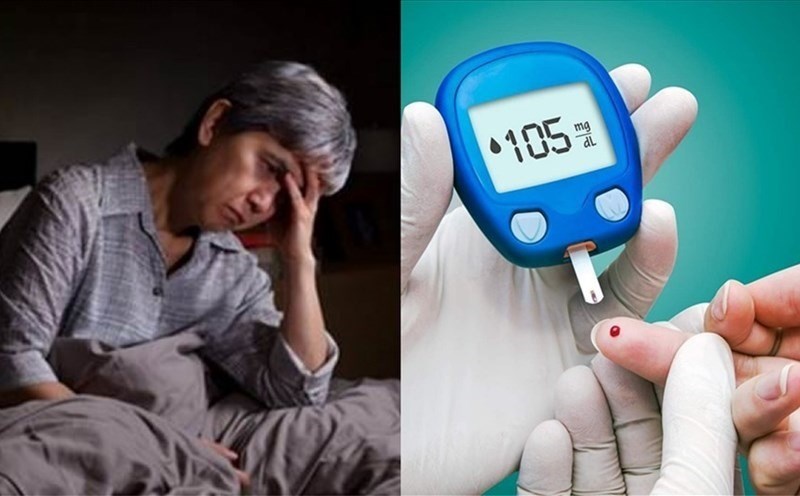
1. Frequent Urination
One of the earliest and most common symptoms of diabetes is frequent urination, especially at night.
When blood sugar levels become too high, the kidneys work harder to remove excess glucose from the bloodstream. This process pulls more water into the urine, causing people to urinate more often.
You may notice:
- Waking up several times during the night to urinate
- Increased bathroom trips during the day
- Larger amounts of urine than usual
Because the body loses more fluids, this symptom is often connected to excessive thirst.
2. Constant Thirst
Frequent urination can quickly lead to dehydration.
As the body loses fluids, the brain signals increased thirst in an attempt to restore balance.
People with high blood sugar often feel:
- Constantly thirsty
- Dry mouth
- Difficulty staying hydrated
Some individuals drink large amounts of water yet still feel thirsty throughout the day.
Persistent thirst that does not improve with normal hydration should not be ignored.
3. Unexplained Fatigue
Fatigue is another common early warning sign.
Glucose is the body’s main energy source. When insulin is not functioning properly, cells struggle to absorb and use glucose efficiently.
As a result, people may feel:
- Exhausted
- Weak
- Low on energy
- Mentally drained
Even after resting or sleeping, fatigue may continue because the body is not processing fuel properly.
4. Blurred Vision
High blood sugar can affect fluid balance in the eyes.
This may temporarily change the shape of the eye’s lens and lead to:
- Blurry vision
- Difficulty focusing
- Eye strain
Vision changes may come and go depending on blood sugar levels.
Over time, uncontrolled diabetes can damage blood vessels in the eyes and increase the risk of serious vision problems.
This is why eye symptoms should never be ignored.
5. Slow-Healing Cuts and Wounds
People with diabetes often notice that cuts, bruises, or infections heal more slowly than normal.
High blood sugar may affect:
- Blood circulation
- Immune function
- Tissue repair
Even small wounds may take much longer to heal.
Poor circulation can also increase infection risk, especially in the feet and lower legs.
6. Increased Hunger
Despite eating normally, some people with diabetes feel unusually hungry.
This happens because the body struggles to move glucose into cells effectively. Even though sugar remains in the bloodstream, cells are not receiving enough usable energy.
As a result, the body may signal:
- Increased appetite
- Frequent hunger
- Cravings for food
This symptom sometimes appears alongside weight changes.
7. Tingling or Numbness in Hands and Feet
High blood sugar can affect nerves over time.
Early nerve-related symptoms may include:
- Tingling
- Burning sensations
- Numbness
- Pins-and-needles feelings
These sensations often appear in:
- Feet
- Toes
- Hands
- Fingers
Nerve damage related to diabetes is called diabetic neuropathy.
Early blood sugar management may help reduce the risk of worsening nerve problems.
8. Unexplained Weight Loss
Some people with diabetes lose weight unexpectedly despite eating normally.
When the body cannot use glucose effectively, it may begin breaking down fat and muscle for energy instead.
This may lead to:
- Sudden weight loss
- Muscle weakness
- Fatigue
Unintentional weight loss should always be evaluated by a healthcare professional because it can signal several underlying health conditions.
9. Frequent Infections
High blood sugar may weaken the body’s ability to fight infections.
People with diabetes may experience:
- Frequent skin infections
- Gum problems
- Urinary tract infections
- Recurring yeast infections
Excess glucose can create an environment where bacteria and fungi thrive more easily.
Recurring infections may sometimes be one of the earliest visible clues of blood sugar imbalance.
Why Diabetes Often Goes Undiagnosed
One reason diabetes is frequently missed is that symptoms often develop slowly.
People may blame symptoms on:
- Stress
- Lack of sleep
- Aging
- Busy lifestyles
- Poor diet
Some individuals experience only mild symptoms for years before diagnosis.
This is why regular health screenings are important, especially for people with risk factors.
Common Risk Factors for Diabetes
Several factors may increase diabetes risk:
- Family history
- Excess body weight
- Physical inactivity
- Poor diet
- High blood pressure
- Age
- History of gestational diabetes
Type 2 diabetes is the most common form and is strongly connected to lifestyle and metabolic health.
Why Early Detection Matters
When diabetes remains uncontrolled for long periods, high blood sugar may damage:
- Blood vessels
- Nerves
- Kidneys
- Eyes
- Heart
Early diagnosis allows people to:
- Improve blood sugar control
- Make lifestyle changes
- Reduce long-term complications
- Protect organ health
Many people successfully manage diabetes through medical care, nutrition, exercise, and monitoring.
Healthy Habits That May Help Reduce Risk
Although not all diabetes cases are preventable, certain lifestyle habits may help lower risk.
Eat a Balanced Diet
Focus on whole foods, vegetables, lean protein, and fiber-rich meals.
Stay Active
Regular movement helps improve insulin sensitivity.
Maintain a Healthy Weight
Excess weight increases diabetes risk significantly.
Get Regular Checkups
Routine blood sugar testing may detect problems early.
Limit Sugary Drinks
Excess sugar intake may contribute to metabolic problems over time.
Prioritize Sleep and Stress Management
Both stress and poor sleep can affect blood sugar regulation.
When to See a Doctor
Medical evaluation is important if symptoms such as:
- Frequent urination
- Excessive thirst
- Unexplained fatigue
- Blurry vision
- Numbness
- Unexplained weight changes
persist or worsen.
Simple blood tests can often identify blood sugar problems quickly.
Final Thoughts
Diabetes often develops quietly, but the body frequently sends warning signs early. Frequent urination, thirst, fatigue, blurred vision, numbness, and slow healing are just some of the clues that blood sugar may not be functioning properly.
The most important message is awareness, not fear. Recognizing symptoms early and seeking medical care when needed may help prevent complications and protect long-term health.
Sometimes the body gives small warnings long before serious damage occurs and paying attention to those signals can make all the difference.