A 25-year-old man was hospitalized in critical condition after working for a day under 40°C heat without drinking enough water.
Bach Mai Hospital recently admitted a male patient identified as H.T. (25 years old, a worker in Hanoi) who arrived at the hospital suffering from chest tightness, difficulty breathing, muscle cramps in his arms and legs, and severe muscle pain after prolonged outdoor work in extreme heat.
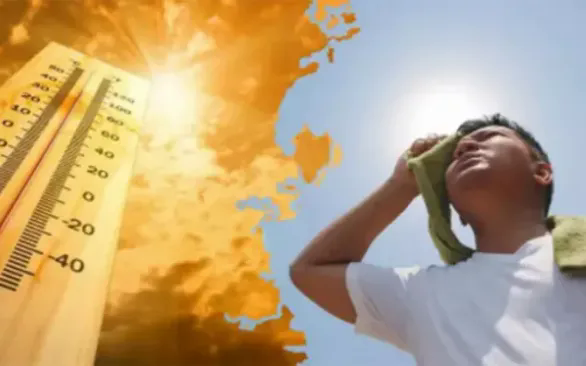
According to doctors at the hospital’s Nephrology and Dialysis Center, the patient had been working in temperatures of around 40°C but failed to adequately hydrate. Test results showed his creatinine level had risen to 400 µmol/L — many times higher than normal — signaling dangerous acute kidney failure.
After three days of intensive treatment, the patient’s kidney function recovered, and he did not require emergency dialysis. However, doctors warned that if he had been admitted later, he could have faced multiple organ failure and the need for urgent dialysis treatment.
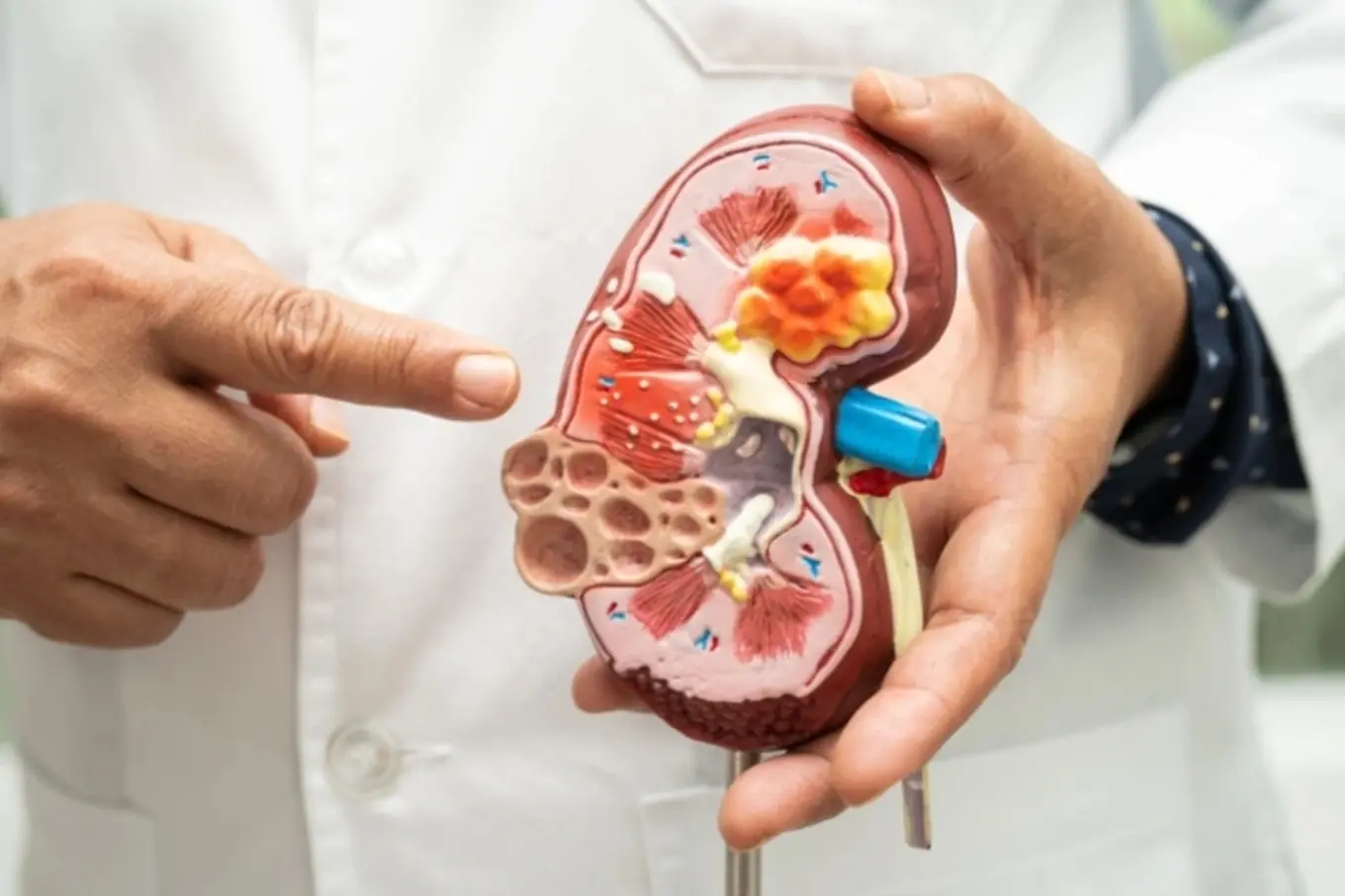
According to medical experts, extreme heat does not only cause fatigue or ordinary heatstroke but can also lead to severe dehydration, electrolyte imbalance, rhabdomyolysis (muscle breakdown), and acute kidney failure. Even young and healthy individuals with no underlying conditions can become victims if they work for long periods in harsh weather conditions.
Warning signs that require special attention include: reduced urination or not urinating for many hours, dark urine resembling tea, severe muscle pain, persistent cramps, dizziness, nausea, exhaustion, or confusion.

Doctors recommend that people drink water proactively instead of waiting until they feel thirsty; replenish electrolytes when working outdoors; avoid heavy labor between 10 a.m. and 4 p.m.; and rest immediately if signs of exhaustion or heat stress appear. Outdoor workers should be especially cautious during prolonged heat waves to avoid kidney damage and other dangerous complications.