Vegetables are widely recognized as some of the healthiest foods people can eat. They provide fiber, vitamins, antioxidants, and countless nutrients that help support overall health and reduce the risk of many chronic diseases. However, under certain conditions, some vegetables may become harmful if they are stored improperly, contaminated, overprocessed, or consumed the wrong way.
It is important to understand that vegetables themselves are not “cancer-causing” by nature. In fact, diets rich in vegetables are generally associated with lower cancer risk. The real concern often comes from toxins, chemicals, mold, improper cooking methods, or spoiled produce.
Unfortunately, many people unknowingly prepare or consume certain vegetables in ways that may increase exposure to harmful compounds over time.
Here are three vegetables that can become risky under certain conditions — and what you should know to help protect yourself and your loved ones.
1. Sprouted or Green Potatoes
Potatoes are one of the most commonly eaten vegetables in the world. However, when potatoes turn green or begin sprouting, they may produce a toxic compound called solanine.
Solanine is a natural defense chemical that potatoes develop when exposed to:
- Light
- Warm temperatures
- Damage
- Improper storage
The green color itself comes from chlorophyll, which is harmless, but it often signals increased solanine levels underneath.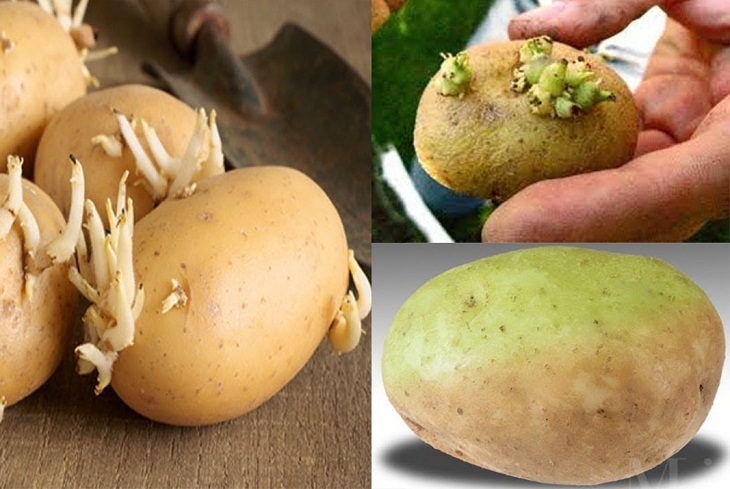
Why Is Solanine Dangerous?
In high amounts, solanine may cause:
- Nausea
- Vomiting
- Stomach pain
- Headaches
- Neurological symptoms in severe cases
Some researchers also raise concerns about long-term exposure to naturally occurring plant toxins when consumed repeatedly in large quantities.
Although occasional exposure is unlikely to directly “cause cancer,” consuming spoiled or toxic foods regularly is never healthy for the body.
How to Stay Safe
- Avoid eating green potatoes
- Throw away heavily sprouted potatoes
- Store potatoes in cool, dark places
- Remove small sprouts before cooking if the potato still appears healthy
Proper storage significantly reduces risk.
2. Pickled or Fermented Vegetables With Excess Salt and Preservatives
Pickled vegetables are popular in many cultures and can be part of traditional diets. However, excessive consumption of heavily salted or chemically preserved pickled vegetables has raised health concerns in some studies.
Certain commercially processed pickled vegetables may contain:
- High sodium levels
- Preservatives
- Nitrates or nitrites
- Mold contamination if poorly fermented
Why Could This Be Risky?
Research suggests that high intake of heavily salted preserved foods may be associated with increased risk of stomach-related health problems.
Very salty foods may:
- Irritate the stomach lining
- Increase inflammation
- Contribute to long-term digestive stress
Poorly fermented vegetables may also develop harmful microorganisms or mold toxins if not prepared hygienically.
This does not mean all pickled vegetables are dangerous. Traditional fermentation can actually support gut health when done safely. The problem often comes from excessive salt, poor storage, or heavily processed commercial products.
How to Stay Safe
- Eat pickled vegetables in moderation
- Choose high-quality products
- Avoid products with excessive preservatives
- Refrigerate properly after opening
- Discard any fermented foods with unusual smells, colors, or mold
Balance and food safety are key.
3. Burnt or Charred Vegetables
Vegetables cooked at extremely high temperatures until heavily charred may form potentially harmful compounds.
This often happens during:
- Grilling
- Frying
- Roasting
- Barbecuing
When vegetables are burned or blackened excessively, compounds such as acrylamide may form, especially in starchy vegetables like potatoes.
Why Is Acrylamide Concerning?
Acrylamide is a chemical compound that has been studied for possible links to cancer risk in laboratory settings.
It forms during high-temperature cooking processes, particularly when foods become:
- Overcooked
- Burnt
- Deeply browned
Examples include:
- Burnt potato chips
- Over-fried french fries
- Blackened roasted vegetables
Although occasional consumption is unlikely to cause serious harm, repeated exposure to heavily charred foods may not be ideal for long-term health.
How to Stay Safe
- Avoid burning vegetables
- Cook at moderate temperatures
- Remove heavily blackened portions
- Use steaming or light roasting instead of excessive frying
Gentler cooking methods often preserve nutrients better as well.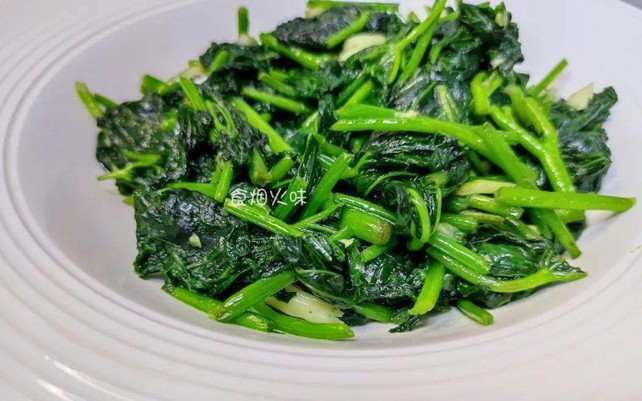
The Real Issue Is Often Preparation, Not the Vegetable Itself
One important thing to understand is that vegetables themselves are generally healthy.
The actual risks often come from:
- Poor storage
- Excessive processing
- Chemical contamination
- Overcooking
- Mold growth
- Preservatives
Fresh vegetables remain one of the most important parts of a balanced diet.
In fact, many studies consistently show that diets rich in vegetables may help reduce the risk of several chronic diseases, including certain cancers.
Other Vegetable-Related Risks People Often Ignore
Pesticide Residue
Improperly washed vegetables may contain pesticide residue.
Washing produce thoroughly helps reduce exposure.
Moldy Produce
Mold toxins may develop on spoiled vegetables stored too long.
Never eat vegetables with visible mold or foul odors.
Reheated Leafy Greens
Certain leafy vegetables high in nitrates may become problematic if repeatedly reheated improperly over long periods.
Proper food handling matters greatly.
Why Balanced Nutrition Matters More Than Fear
Sensational headlines often create fear around specific foods. But nutrition is rarely about one single ingredient causing disease on its own.
Health outcomes are usually influenced by:
- Overall diet
- Lifestyle
- Smoking
- Alcohol
- Exercise
- Sleep
- Stress
- Environmental exposure
No vegetable automatically causes cancer simply by existing. Problems typically arise through unsafe handling, extreme consumption, or unhealthy preparation methods.
Healthier Ways to Prepare Vegetables
To reduce potential risks while preserving nutrients:
Steam Instead of Burning
Gentle cooking helps maintain nutrients.
Eat Fresh Produce
Fresh vegetables usually contain the highest nutritional value.
Wash Thoroughly
Clean vegetables carefully before eating.
Store Properly
Keep vegetables refrigerated or stored correctly to reduce spoilage.
Avoid Excessive Processed Additives
Limit overly salty or heavily preserved vegetable products.
The Importance of Food Safety Awareness
Learning proper food handling can protect families from many health risks.
Simple habits make a big difference:
- Checking expiration dates
- Refrigerating foods properly
- Avoiding spoiled produce
- Cooking foods safely
These small daily actions help reduce exposure to harmful substances over time.
Final Thoughts
Vegetables are essential for good health, but certain vegetables can become risky when spoiled, heavily processed, or cooked improperly. Green potatoes, excessively preserved pickled vegetables, and heavily charred vegetables may expose the body to potentially harmful compounds under certain conditions.
The good news is that most of these risks are highly preventable through proper storage, preparation, and moderation.
Rather than fearing vegetables, the goal should be understanding how to consume them safely and wisely. Fresh, balanced, properly prepared vegetables remain one of the best foundations for long-term health and wellness.
Sometimes protecting your health is not only about what you eat — but also how you prepare and care for your food every day.