The thyroid may be small, but it plays an enormous role in the body. This butterfly-shaped gland located in the neck helps regulate metabolism, energy levels, body temperature, heart rate, digestion, and even mood. When the thyroid becomes underactive — a condition known as hypothyroidism — the body begins to slow down in ways many people don’t immediately recognize.
Because thyroid hormones affect nearly every organ system, symptoms can appear gradually and often mimic stress, aging, or simple fatigue. Many people live with thyroid imbalance for months or even years before realizing something deeper may be wrong.
Recognizing the signs early is important because untreated low thyroid function can affect overall health and quality of life.
Here are 15 common signs your body may show when the thyroid is not working properly.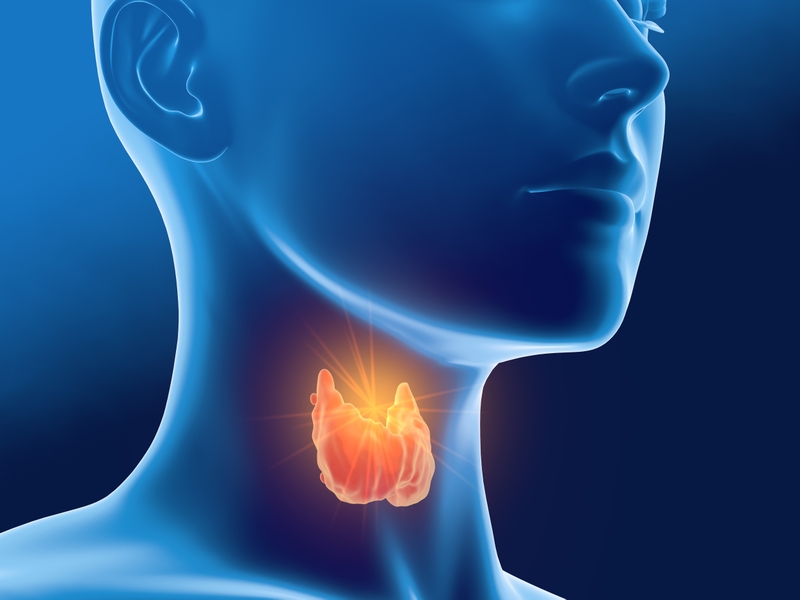
1. Constant Fatigue
One of the most common signs of low thyroid function is persistent exhaustion.
People with hypothyroidism often feel:
- Tired even after sleeping
- Low on energy throughout the day
- Mentally drained
- Sluggish physically
Because thyroid hormones help control energy production, low hormone levels can slow the body’s metabolism significantly.
This type of fatigue often does not improve with rest alone.
2. Unexplained Weight Gain
Sudden or gradual weight gain without major dietary changes may be linked to a sluggish thyroid.
A slower metabolism means the body burns calories less efficiently.
People may notice:
- Difficulty losing weight
- Increased water retention
- Puffiness
- Weight gain despite normal eating habits
Although thyroid issues are not the only cause of weight gain, unexplained changes should not be ignored.
3. Feeling Cold All the Time
People with low thyroid function often become unusually sensitive to cold temperatures.
Because thyroid hormones help regulate body heat production, reduced hormone levels may cause:
- Cold hands and feet
- Chills
- Feeling cold when others feel comfortable
This symptom may appear even in warm environments.
4. Dry Skin
The skin often reflects internal health problems.
Low thyroid hormone levels may contribute to:
- Dry skin
- Rough texture
- Flaking
- Reduced sweating
The skin may appear dull or irritated because slowed metabolism affects skin cell turnover and moisture balance.
5. Hair Thinning or Hair Loss
Hair health is strongly connected to hormone balance.
An underactive thyroid may cause:
- Thinning hair
- Increased shedding
- Brittle hair
- Slow hair growth
Some people also notice thinning eyebrows, especially near the outer edges.
Because hair growth cycles slow down, changes may become noticeable gradually.
6. Slow Heart Rate
The thyroid helps regulate heart function.
Low thyroid levels may contribute to:
- Slower heart rate
- Reduced circulation
- Fatigue during activity
Some people may also experience shortness of breath or reduced exercise tolerance.
Because thyroid issues can affect cardiovascular health, proper medical evaluation is important.
7. Puffy Face and Swelling
One particularly noticeable sign of hypothyroidism is puffiness in the face.
People may notice:
- Swollen eyelids
- Facial puffiness
- Fluid retention
- Swelling around the neck
This happens because slowed metabolism can affect fluid balance and tissue function.
Many people dismiss this symptom as simple fatigue or aging, but persistent swelling may deserve attention.
8. Depression or Low Mood
Thyroid hormones influence brain chemistry and emotional regulation.
Low thyroid function may contribute to:
- Depression
- Low motivation
- Brain fog
- Irritability
- Emotional flatness
Some individuals feel mentally “slowed down” or disconnected.
Because symptoms can overlap with mental health conditions, thyroid testing is sometimes recommended during evaluations for mood changes.
9. Constipation
Digestion often slows when thyroid hormone levels are low.
People with hypothyroidism may experience:
- Constipation
- Slower digestion
- Bloating
- Stomach discomfort
This happens because thyroid hormones help regulate movement throughout the digestive tract.
Persistent constipation should never be ignored if accompanied by other symptoms.
10. Joint and Muscle Pain
A sluggish thyroid can affect muscles and connective tissues.
Some people experience:
- Joint stiffness
- Muscle aches
- Weakness
- Cramping
Pain may develop gradually and worsen over time.
Many individuals initially assume these symptoms are simply part of aging or overwork.
11. Memory Problems and Brain Fog
Low thyroid hormone levels may affect concentration and mental clarity.
Common complaints include:
- Forgetfulness
- Difficulty focusing
- Slower thinking
- Mental fatigue
This symptom is often described as “brain fog.”
People may struggle with tasks that previously felt easy or feel mentally slowed throughout the day.
12. Hoarse Voice
The thyroid gland sits near the vocal cords in the neck.
When thyroid function changes, some individuals develop:
- Hoarseness
- Voice changes
- Throat discomfort
In some cases, an enlarged thyroid gland (goiter) may place pressure on surrounding structures.
13. High Cholesterol Levels
Hypothyroidism may contribute to elevated cholesterol.
Because metabolism slows, the body may process fats less efficiently.
Some individuals discover thyroid problems only after blood tests reveal:
- High LDL cholesterol
- Unexplained cholesterol increases
Managing thyroid health may help improve overall metabolic balance.
14. Irregular Menstrual Cycles
Hormonal systems are closely connected.
Women with hypothyroidism may experience:
- Heavy periods
- Irregular cycles
- Fertility issues
- Increased menstrual discomfort
Thyroid imbalance can affect reproductive hormones significantly.
15. Enlarged Thyroid or Neck Swelling
In some cases, the thyroid gland itself becomes enlarged.
This enlargement is called a goiter.
Symptoms may include:
- Visible swelling in the neck
- Tightness
- Difficulty swallowing
- Pressure sensations
Any noticeable neck swelling should always be evaluated by a healthcare professional.
Why Thyroid Problems Are Often Missed
One reason hypothyroidism is commonly overlooked is that symptoms develop slowly.
People often blame:
- Stress
- Aging
- Busy lifestyles
- Poor sleep
before realizing a hormonal imbalance may be involved.
Additionally, symptoms vary greatly from person to person.
Some individuals experience only mild fatigue, while others develop multiple physical and emotional changes.
Who Is More at Risk?
Certain factors may increase the likelihood of thyroid problems:
- Family history
- Autoimmune disease
- Female gender
- Aging
- Pregnancy history
- Iodine imbalance
Women are diagnosed with hypothyroidism far more often than men.
How Thyroid Problems Are Diagnosed
Doctors typically diagnose hypothyroidism through:
- Medical history
- Physical examination
- Blood tests
Important thyroid tests often include:
- TSH (thyroid-stimulating hormone)
- T3
- T4
Proper evaluation is essential because symptoms alone cannot confirm thyroid disease.
Treatment and Lifestyle Support
Hypothyroidism is often manageable with proper treatment.
Doctors may prescribe thyroid hormone replacement medication to help restore normal hormone levels.
Lifestyle habits may also support overall thyroid health:
- Balanced nutrition
- Adequate sleep
- Stress management
- Regular exercise
- Medical follow-up
Self-diagnosing based only on internet symptoms is never recommended.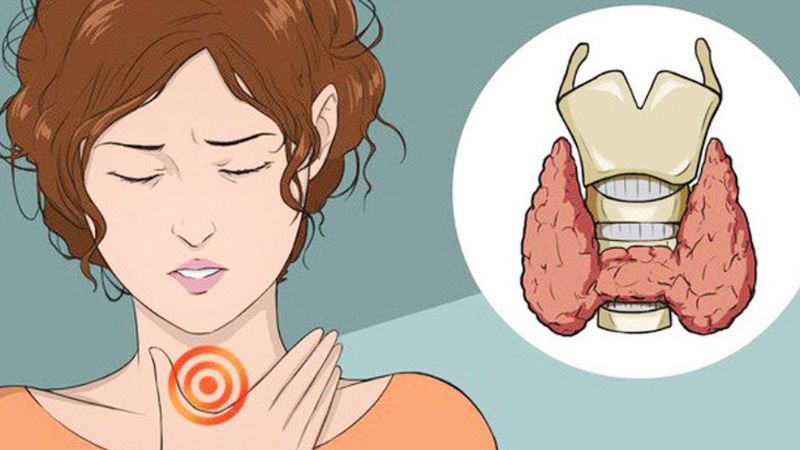
Final Thoughts
The thyroid may be small, but its effects on the body are enormous. Fatigue, weight gain, puffiness, hair thinning, constipation, and brain fog are just some of the many ways low thyroid function can quietly affect everyday life.
The good news is that hypothyroidism is often treatable once properly identified.
Listening to your body, paying attention to persistent symptoms, and seeking medical evaluation when something feels “off” may help detect thyroid problems earlier and improve long-term health.
Sometimes the body sends warning signs slowly and quietly and understanding those signals can make all the difference.