Bad breath in children is often blamed on poor brushing, sugary snacks, or a simple stomach issue. But sometimes, it can be a warning sign that something hidden is happening inside the mouth. That’s exactly what happened to a 7-year-old boy whose unpleasant breath became so noticeable that classmates began teasing him. His mother tried everything—stronger toothpaste, mouthwash, and stricter brushing routines—but nothing worked.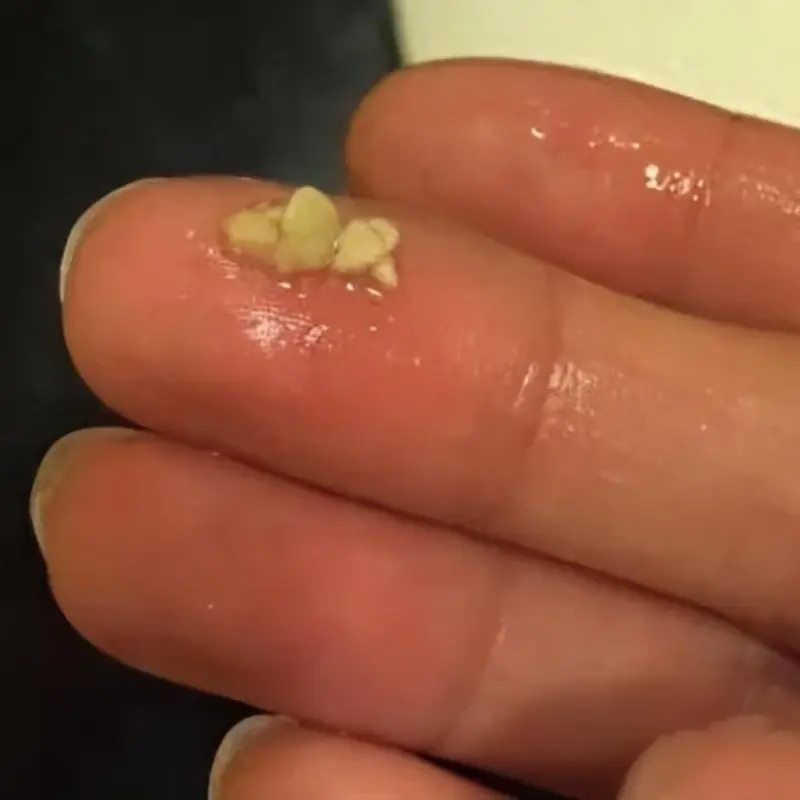
Eventually, she decided to bring him to a dental clinic. What the doctor discovered not only explained the boy’s bad breath—it stunned his mother.
The Problem That Wouldn’t Go Away
The boy had been dealing with persistent bad breath for weeks. According to his mother, he brushed twice a day, and she even supervised him. Yet the smell returned quickly, especially in the morning and after meals.
His classmates began making comments, and the teasing turned into embarrassment. The boy became quieter at school, avoided talking too much, and sometimes refused to eat with others.
That emotional impact was what pushed the family to seek professional help.
A Shocking Discovery in the Mouth
During the examination, the dentist noticed something unusual: a buildup of thick, yellowish debris tucked in a hard-to-see area of the mouth. After gently removing it, the doctor revealed the cause—small, hardened particles that looked like tiny stones.
These are commonly known as tonsil stones (tonsilloliths) or sometimes similar debris can come from deep gum pockets or hidden tooth decay. They form when bacteria, dead cells, mucus, and leftover food collect in crevices, then harden over time.
Even a small amount can produce an extremely strong odor, because bacteria release sulfur-like compounds. That’s why the boy’s breath smelled bad even though he brushed regularly.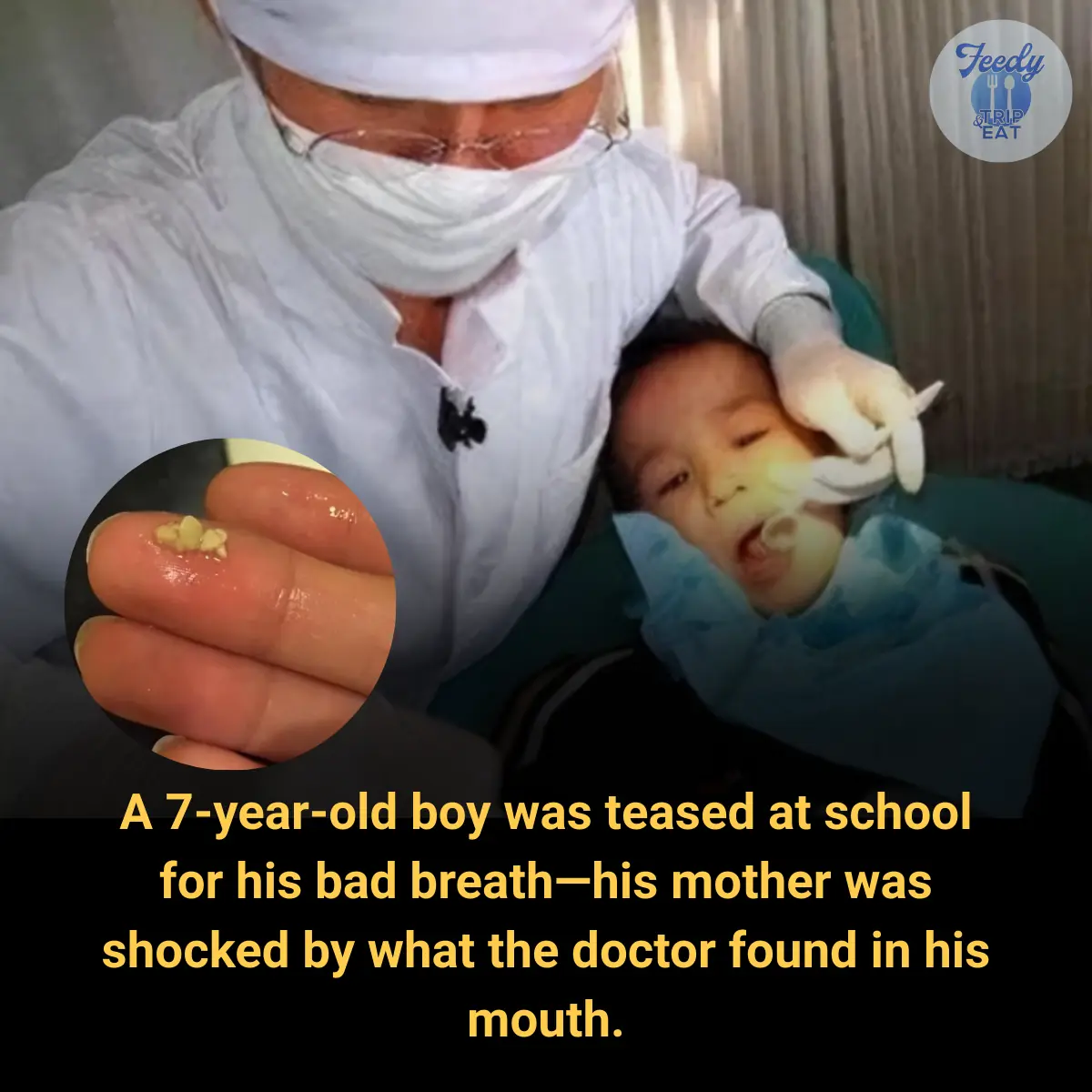
Why Bad Breath Happens Even With Good Hygiene
Many parents assume bad breath always comes from the teeth, but in children, the most common hidden triggers include:
1. Tonsil Stones
These develop in the folds of the tonsils. Kids with frequent sore throats, allergies, or post-nasal drip are more likely to get them.
2. Mouth Breathing and Dry Mouth
When children breathe through the mouth—often due to nasal congestion—the mouth dries out. Saliva normally washes away bacteria, so less saliva means more odor.
3. Hidden Tooth Decay
Sometimes cavities form between teeth or under the gum line. They can trap food and bacteria without being obvious at first glance.
4. Gum Inflammation
Even mild gum issues can cause a bad smell, especially if plaque builds up around the teeth.
5. Sinus or Throat Infections
Post-nasal drip can coat the throat with mucus, feeding bacteria and producing bad breath.
What Parents Should Watch For
Bad breath is not always a major medical emergency, but certain signs should not be ignored. Parents should seek help if the child has:
-
Breath that stays unpleasant despite brushing
-
Complaints of a “bad taste” in the mouth
-
Frequent sore throat or cough
-
Mouth breathing during sleep
-
White or yellow lumps near the tonsils
-
Gum bleeding or tooth pain
-
Swollen lymph nodes
The key message: bad breath that lasts more than a few days deserves attention.
How to Prevent the Problem
Experts recommend a few habits that can significantly reduce the risk of recurring odor:
Improve oral hygiene beyond brushing
Teach children to floss and gently brush the tongue, where bacteria often hide.
Encourage drinking water
Hydration helps saliva do its job naturally.
Check for allergies or chronic nasal congestion
Treating nasal blockage can reduce mouth breathing.
Use warm saltwater gargles
This can help clear debris from the tonsil area.
Regular dental checkups
Dentists can detect hidden cavities and gum issues early.