Chapter 1: A Simple Trick That Could Make Your Home Less Attractive to Insects
Few things can ruin a peaceful afternoon at home quite like flies buzzing around the kitchen or mosquitoes appearing just as the evening begins. These tiny insects may seem harmless at first, but they can quickly become irritating, especially when they enter through doors, gather around food, or disturb people trying to relax, cook, or sleep. For many households, the problem becomes more noticeable during warm weather, rainy seasons, or periods when windows and doors remain open for fresh air.
While commercial insect sprays and chemical repellents are widely available, some people prefer to begin with simple household methods that do not involve spraying chemicals throughout their living spaces. One traditional approach involves hanging aromatic leaves near entrances, windows, or other areas where insects frequently appear. The idea is that certain plants produce natural compounds and strong scents that may make an area less attractive to some insects.
Leaves from plants such as bay, basil, mint, eucalyptus, and other aromatic herbs have been used in traditional household practices for generations. Their fragrances are often associated with freshness, cleanliness, and outdoor gardens. Some of these plants contain compounds that have demonstrated insect-repellent properties in laboratory studies or when used in concentrated extracts and essential oils.
However, there is an important distinction between using concentrated plant oils in scientific studies and simply hanging a few leaves near a doorway. The scent released by fresh or dried leaves is usually much weaker and less consistent. Therefore, hanging leaves may be a useful supplementary household trick, but it should not be considered a guaranteed method for eliminating flies or mosquitoes.
Still, the appeal of this simple approach is easy to understand. It is inexpensive, easy to try, requires little preparation, and can add a pleasant natural fragrance to an entrance. When combined with practical measures such as keeping doors closed, removing standing water, and maintaining a clean environment, it may become part of a broader strategy for making the home less attractive to insects.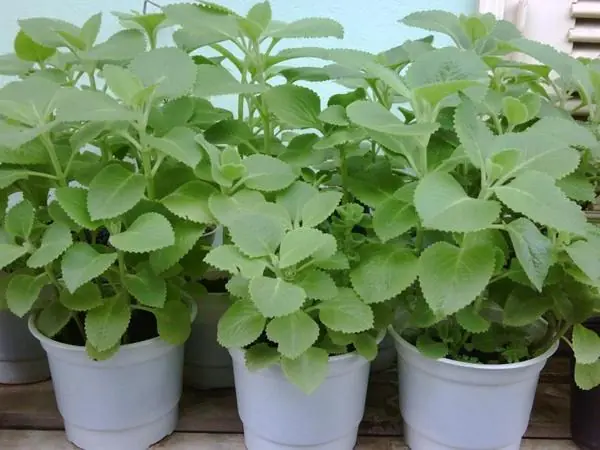
Chapter 2: Why Flies and Mosquitoes Are Drawn to Your Home
Before trying to repel insects, it helps to understand what attracts them in the first place. Flies and mosquitoes do not enter homes randomly. They respond to different environmental signals, including food odors, moisture, warmth, carbon dioxide, light, and opportunities to breed.
Houseflies are particularly attracted to organic materials. Food scraps, uncovered garbage, fruit that has become overripe, spilled drinks, dirty dishes, and certain household waste can provide odors that attract them. In some environments, flies may also be attracted to animal waste, compost, or other decomposing materials located nearby.
Mosquitoes behave differently. Female mosquitoes require blood meals for egg development, and they locate potential hosts through a combination of sensory cues. Carbon dioxide released when humans and animals breathe is one important signal. Body heat, skin odors, and other chemical cues may also help mosquitoes identify people. This is why simply keeping the kitchen clean may not be enough to prevent mosquitoes from entering a home.
Standing water is another major concern because many mosquito species lay their eggs in water or in locations that become flooded. Small containers, flowerpot saucers, buckets, clogged gutters, discarded bottles, and other items that collect water can create breeding opportunities. In some cases, even a small amount of water may be sufficient for mosquitoes to reproduce.
Understanding these attractions changes the way homeowners approach insect prevention. Rather than relying on a single fragrance or leaf, it is often more effective to remove the conditions that allow insects to thrive. Aromatic plants may help create an additional barrier or discourage certain insects from lingering, but sanitation, moisture control, and physical barriers remain the foundation of a successful strategy.
Chapter 3: Bay Leaves—One of the Most Popular Leaves Used in Household Repellent Tricks
Bay leaves are among the most commonly mentioned leaves in traditional household methods for discouraging insects. They are widely used in cooking because of their distinctive aroma, and their scent comes from naturally occurring compounds found in the leaves. When crushed or disturbed, bay leaves may release a stronger fragrance than when they remain completely untouched.
Some people place bay leaves inside cupboards, near pantry shelves, around garbage areas, or close to entrances where insects are frequently seen. Others bundle several leaves together and hang them near a doorway, hoping that the aroma will make the area less attractive to flies or other unwanted insects.
Bay leaves are particularly appealing because they are easy to obtain. Many households already have dried bay leaves in their kitchens, meaning there is no need to purchase special equipment or expensive products to try the method. A small bundle can be prepared using several fresh or dried leaves, tied together with string, and placed in a location where it will not interfere with daily activities.