Natural fragrances may influence the behavior of some insects, but their effectiveness is often limited by the amount of scent released and the surrounding environment. A few leaves cannot create a permanent invisible barrier around a home, especially when doors remain open or when insects are already present in large numbers.
The most effective insect-prevention routines usually combine several approaches. Physical barriers can prevent insects from entering. Sanitation can remove food sources that attract flies. Water management can reduce mosquito breeding opportunities. Appropriate repellents can help protect people when they are exposed to mosquitoes.
Door screens and window screens are particularly useful because they provide a physical barrier while allowing air to circulate. Small tears, loose edges, and gaps around frames should be repaired. A screen that is damaged in even a small area may allow insects to enter.
Keeping doors closed when possible also helps. Some people find that installing a self-closing screen door or using a suitable doorway barrier makes it easier to enjoy ventilation without allowing insects to enter freely.
For flies, the most important step may be removing the materials that attract them. Food should be covered, waste should be placed in sealed containers, and spills should be cleaned promptly. Fruit should be inspected regularly, particularly during warm weather when it can become overripe quickly.
For mosquitoes, removing standing water is one of the most important preventive measures. Flowerpot saucers, buckets, containers, clogged drains, and other objects should be checked regularly. Water should be emptied or managed according to local mosquito-control recommendations.
The leaf bundle can be added to these measures, but it should not be expected to do the work alone.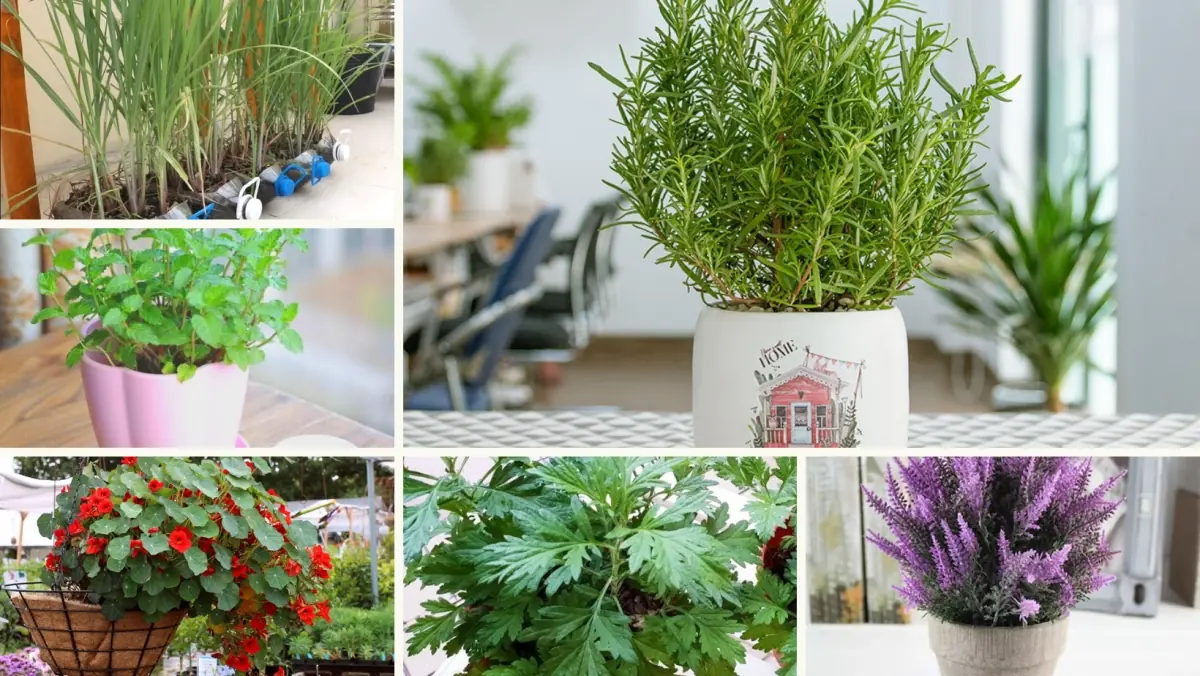
Chapter 10: The Importance of Removing Standing Water
Mosquito prevention begins outside the home as well as inside it. Many people focus on keeping mosquitoes away after they appear, but preventing breeding can reduce the number of mosquitoes that develop nearby.
Water can collect in surprisingly small places. A forgotten bucket, an unused flowerpot, a plastic container, a bottle cap, a blocked drainage area, or a piece of discarded equipment may become a breeding site. During rainy weather, containers that normally remain dry may suddenly fill with water.
A regular inspection of the outdoor area can help identify these problems. Empty containers that are not being used. Turn objects upside down so they cannot collect rainwater. Clean gutters and drainage areas where water may become trapped. Replace or manage water in containers according to appropriate local guidance.
For water storage containers that cannot be emptied, suitable covers should be used. In some circumstances, mosquito-control products may be appropriate, but they should be selected and used according to local public health guidance and product instructions.
This approach is more effective than relying only on fragrance because it addresses the mosquito life cycle. If fewer mosquitoes are able to reproduce near the home, fewer adult mosquitoes may eventually be present.
A few minutes spent checking the garden, balcony, yard, or outdoor storage area each week can therefore be more valuable than repeatedly replacing aromatic leaves without addressing the source of the problem.
Conclusion: A Natural Touch, Combined With Practical Prevention
Hanging aromatic leaves near a doorway is one of those simple household tricks that continues to attract attention because it requires little effort and uses plants many people already have. Bay leaves, basil, mint, and eucalyptus are among the aromatic plants commonly associated with natural insect-repellent practices. Their fragrances may make certain areas less attractive to some insects, although the effectiveness of hanging ordinary leaves has not been firmly established.
For people who want to try the method, the process is straightforward. Choose clean, aromatic leaves, tie them into a small bundle, and hang them near an entrance in a dry, sheltered location. Replace the bundle when it becomes damaged, damp, dusty, or loses its fragrance. Keep it away from flames, food-preparation areas, children, and pets that may chew on the leaves.
The most reliable way to reduce flies and mosquitoes remains a combination of prevention strategies. Keep food covered, clean up spills, manage garbage, repair screens, close doors when possible, remove standing water, and use appropriate insect protection when necessary.
Natural methods can be part of a cleaner, more comfortable home, but they work best when expectations are realistic. Rather than relying on one bundle of leaves to solve every insect problem, combine the simple fragrance trick with the habits that remove insects' food sources, breeding opportunities, and access to indoor spaces.
A small bundle of leaves near the door may be an easy place to start. The bigger difference, however, often comes from creating an environment where flies and mosquitoes have fewer reasons to enter—and fewer opportunities to stay.