For a stronger scent, some people gently crush or bend the leaves before hanging them. This can release more of their natural aroma, although the fragrance may fade more quickly afterward. Dried leaves may last longer as decorative bundles, but their scent can also become weaker over time.
It is important to keep expectations realistic. Bay leaves are not a proven replacement for registered insect repellents, and hanging them near a door does not guarantee that flies or mosquitoes will stay away. The method may be worth experimenting with as a low-cost supplementary approach, particularly if the household enjoys the scent, but it should be combined with more reliable preventive measures.
Chapter 4: Basil Leaves and Their Naturally Strong Fragrance
Basil is another plant frequently associated with natural insect-repellent practices. It is commonly grown in gardens, pots, balconies, and kitchen windowsills, making it convenient for people who enjoy keeping fresh herbs nearby. The plant's distinctive smell comes from aromatic compounds that vary depending on the basil species and variety.
Fresh basil leaves may release a stronger fragrance when rubbed, crushed, or gently handled. Because of this, some people use small bunches of basil near doors, windows, or outdoor seating areas. The aroma can create a fresh, herbal atmosphere while potentially making certain insects less interested in the immediate area.
Growing basil near an entrance may also provide a practical advantage beyond the scent. A plant placed near a doorway can encourage people to pay more attention to the surrounding space, keep the entrance organized, and make the area feel more like a garden than a place where insects gather.
However, the effectiveness of basil leaves as a mosquito repellent depends on several factors. The plant's aroma may not be strong enough to create a meaningful protective zone around people. Wind, temperature, humidity, plant size, and the number of insects in the environment can all influence whether the scent is noticeable and whether it affects insect behavior.
Basil is therefore best viewed as an attractive and potentially helpful addition to a broader insect-prevention routine rather than a reliable method of protection. It can be enjoyed for its fragrance and culinary uses while homeowners continue using appropriate mosquito protection when necessary.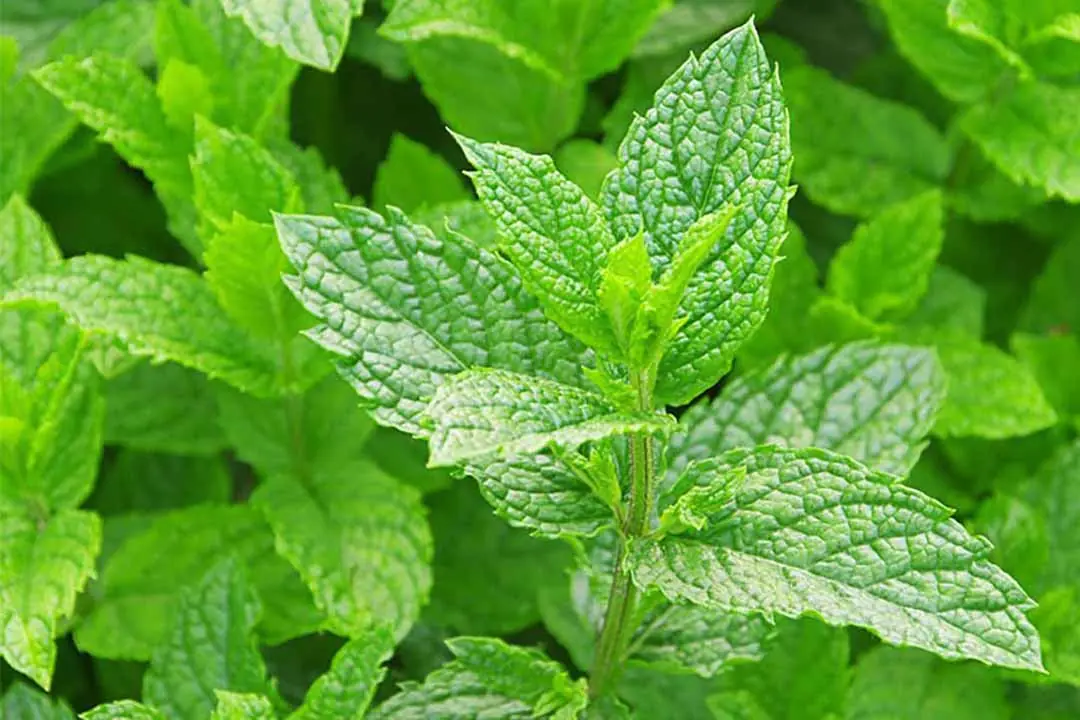
Chapter 5: Mint Leaves—A Refreshing Plant That May Help Discourage Insects
Mint is famous for its fresh, cooling aroma. It is commonly used in beverages, cooking, desserts, and household products. The scent is associated with freshness, and mint leaves contain aromatic compounds that can become more noticeable when the leaves are crushed.
Because of its strong fragrance, mint is often included in traditional methods for discouraging insects. People may place fresh mint bundles near entrances, keep pots of mint near windows, or use the leaves around outdoor seating areas where flies and mosquitoes are frequently noticed.
A simple mint bundle can be prepared by gathering several stems, tying them together, and hanging them near an entrance. The leaves can be gently bruised to release more of their fragrance. However, crushed leaves may dry out faster, so they may need to be replaced more frequently.
Mint is also relatively easy to grow in containers. In many climates, it can grow vigorously when given adequate water and suitable conditions. Keeping mint in a pot is often preferable to planting it directly in the ground because some varieties can spread rapidly and become difficult to control.
The plant may make an entrance feel more pleasant, but it should not be relied upon to prevent mosquito bites. The scent released by a small bundle of leaves is not equivalent to a tested repellent product applied according to its label. If mosquitoes are abundant, stronger prevention measures are needed.
For households that enjoy gardening, mint can still be a useful addition. Its leaves can be harvested for food and beverages, while the plant provides a pleasant aroma near the home. Its value is therefore not limited to the possibility of repelling insects.
Chapter 6: Eucalyptus Leaves and Their Distinctive Aroma
Eucalyptus leaves have a strong, recognizable fragrance that is often associated with outdoor environments, aromatic oils, and certain household products. The leaves contain naturally occurring compounds, including cineole in some eucalyptus species, which contribute to their characteristic scent.
Eucalyptus has been studied in various forms for its potential insect-related properties. Certain eucalyptus-derived compounds and formulated products have been investigated for mosquito-repellent activity. However, the concentration, preparation, and formulation of a product are important. A research-tested formulation cannot automatically be compared with a bundle of eucalyptus leaves hanging near a door.