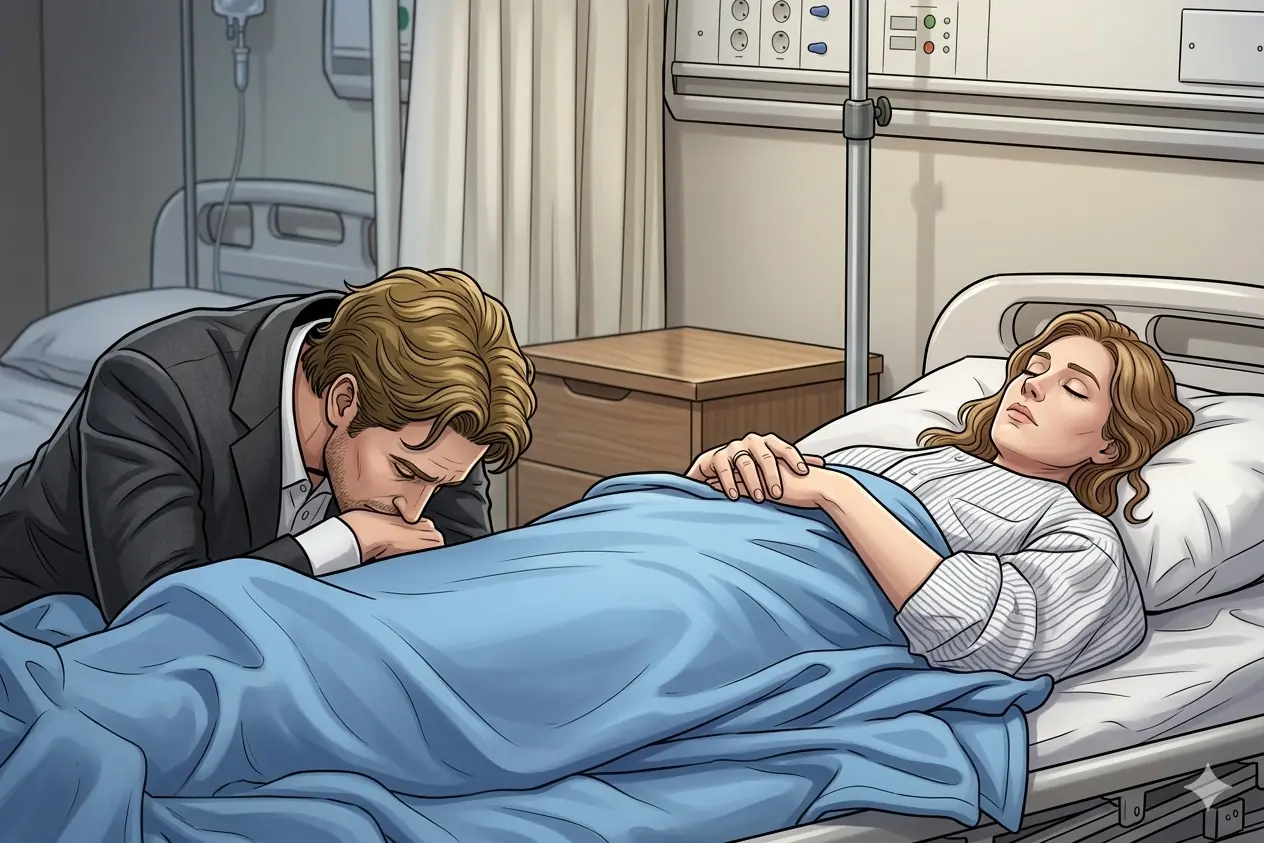
A Woman Diagnosed with Cervical Can.cer — Doctors Point to a Cause Linked to Her Husband
A woman in her 30s was shocked and heartbroken when she was diagnosed with cervical cancer. What made the situation even more disturbing was that her husband’s ex-wife had also died from the same disease.
“I couldn’t understand why I got cervical cancer. His ex-wife had the same illness and even passed away because of it,” she said in tears after receiving her diagnosis.
She had visited the hospital due to abnormal bleeding and lower abdominal pain, especially during intercourse. Initially, she thought it was just a hormonal imbalance or early menopause, never suspecting cancer.
After learning about her husband’s past, the doctor began to suspect that the root cause might lie with him.
It turned out that the husband had a history of risky sexual behavior. He often insisted on having intercourse during menstruation, both with his current wife and his previous partner. Although the woman felt uncomfortable and concerned about hygiene, she continued to comply out of fear of upsetting him.
The doctor explained that this case is a typical example of a “high-risk male partner.” Men can carry the HPV virus without showing symptoms, unknowingly transmitting it to their partners. If a man’s previous partner had cervical cancer, the current partner’s risk of HPV infection can be significantly higher.
3 Risky Habits in Men That Increase Women’s Cervical Cancer Risk
1. Multiple sexual partners
Men with complex sexual histories are more likely to carry high-risk strains of HPV. During intercourse, even tiny abrasions can allow the virus to enter the body. When repeatedly exposed, the woman’s immune system may fail to eliminate the virus, leading to long-term infection and potential cancer development.
2. Intercourse during menstruation without protection
During menstruation, the cervix is more open and vulnerable, making it easier for viruses like HPV to invade deeper tissues. Not using protection removes a critical barrier against sexually transmitted infections.
3. Poor personal hygiene
Men with poor genital hygiene or conditions like foreskin issues can harbor bacteria and viruses. This creates an environment where HPV can thrive and be transmitted to their partners, increasing the risk of infections and cancer.
How to Prevent Cervical Cancer
Doctors emphasize that prevention requires effort from both partners:
- Get vaccinated against HPV (for both men and women)
- Maintain proper hygiene before and after intercourse
- Avoid sexual activity during menstruation
- Undergo regular screening (HPV test, Pap smear)
- Maintain a healthy lifestyle to strengthen the immune system
These steps can significantly reduce the risk of cervical cancer and help detect abnormalities early