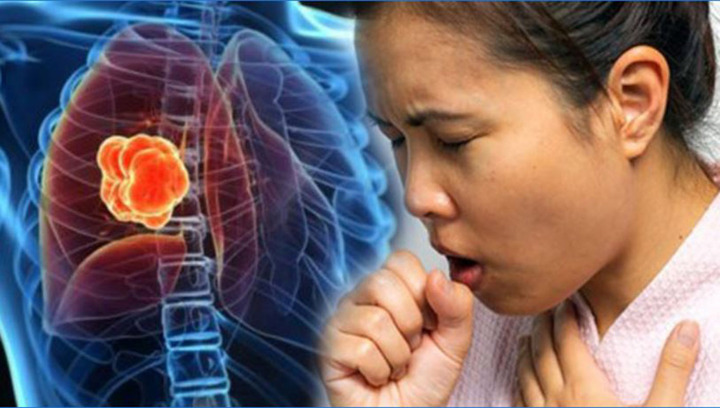
Two Overlooked Cough Symptoms That May Signal Lung Can.cer, Doctors Warn
Lung cancer is one of the most dangerous diseases due to its subtle early symptoms. In many cases, patients only realize something is wrong when the disease has already progressed.
According to medical experts, certain types of cough—often dismissed as harmless—may actually be early warning signs.![Cảnh báo] 9+ dấu hiệu ung thư phổi phổ biến hiện nay - Bệnh Viện FV](https://www.fvhospital.com/wp-content/uploads/2025/02/dau-hieu-cua-ung-thu-phoi-2.jpg)
A Persistent Cough That Doesn’t Go Away
Doctors note that around 70% of lung cancer patients experience a long-lasting cough.
In the early stages, this cough may feel similar to having a minor throat irritation or something stuck in the airway. It is typically:
- Dry and uncomfortable
- Persistent over time
- Not responsive to common cough medications
For smokers or people with chronic bronchitis, a sudden change in coughing patterns—such as increased frequency or severity—should raise concern.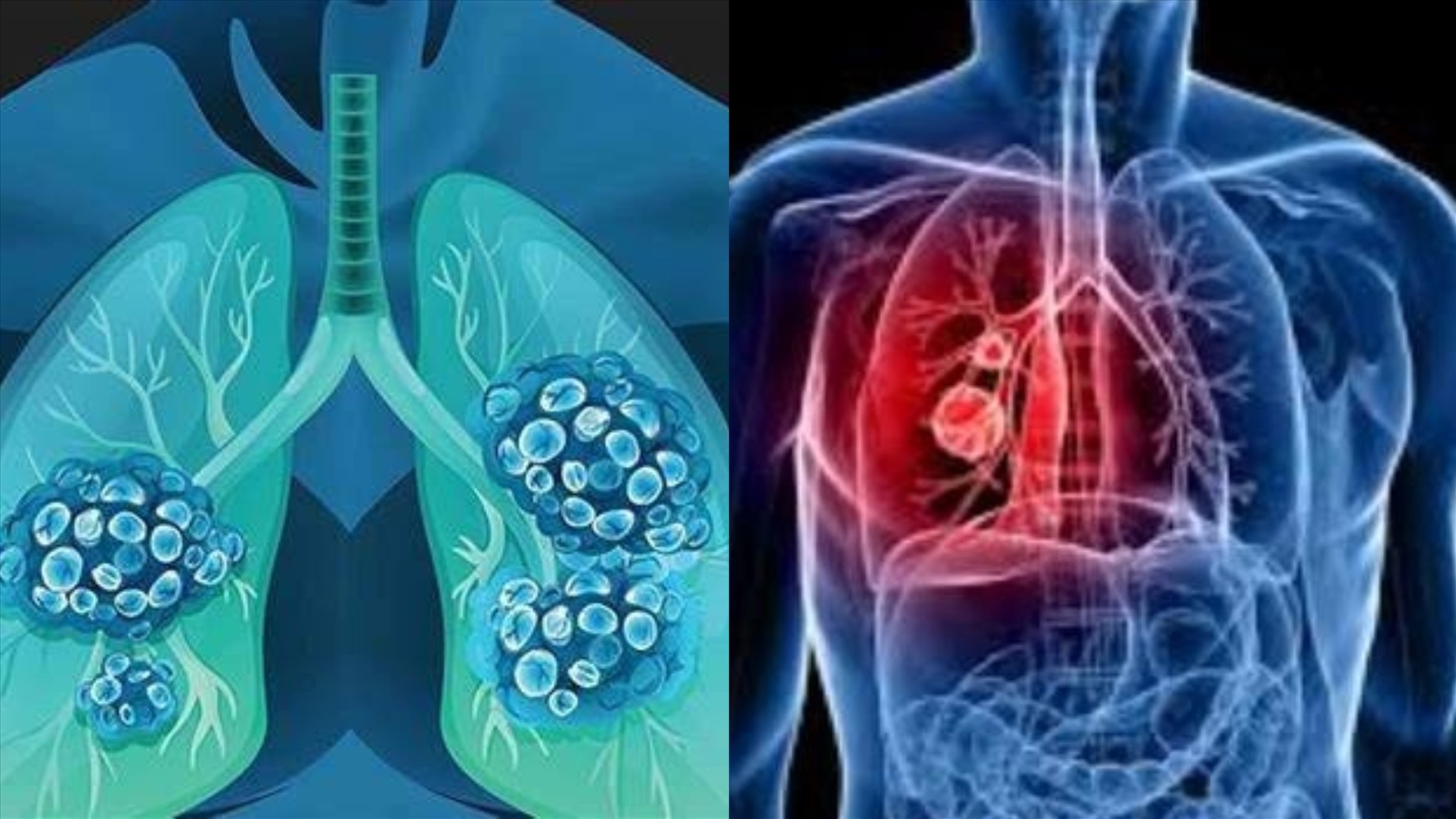
Cough Accompanied by Breathing Difficulties
Another easily overlooked sign is coughing combined with shortness of breath.
As lung cancer develops, it can:
- Irritate the airways
- Increase mucus production
- Cause airway blockage or lung collapse
These changes may lead to difficulty breathing, especially during or after coughing episodes.
Why These Signs Are Often Ignored
Many people assume these symptoms are caused by:
- Common colds
- Seasonal allergies
- Mild respiratory infections
Because the symptoms appear ordinary, patients often delay seeking medical attention—missing the critical window for early detection.
Serious Risks of Late Detection
When lung cancer is discovered late, treatment becomes significantly more difficult. The disease may spread to other organs such as:
- Brain
- Bones
- Liver
Patients may also face complications like:
- Respiratory failure
- Pleural effusion (fluid around the lungs)
- Recurrent pneumonia
- Severe weight loss and fatigue
When Should You See a Doctor?
Experts recommend seeking medical attention if you experience:
- A cough lasting more than 2–3 weeks
- Coughing up blood
- Chest pain or persistent shortness of breath
- Unexplained weight loss
Early screening methods such as chest X-rays or CT scans can significantly improve survival chances if the disease is detected in time.
The Bottom Line
A simple cough may seem harmless—but if it persists or changes unusually, it could be your body signaling something more serious.
Recognizing these early warning signs and seeking timely medical advice can make a critical difference.