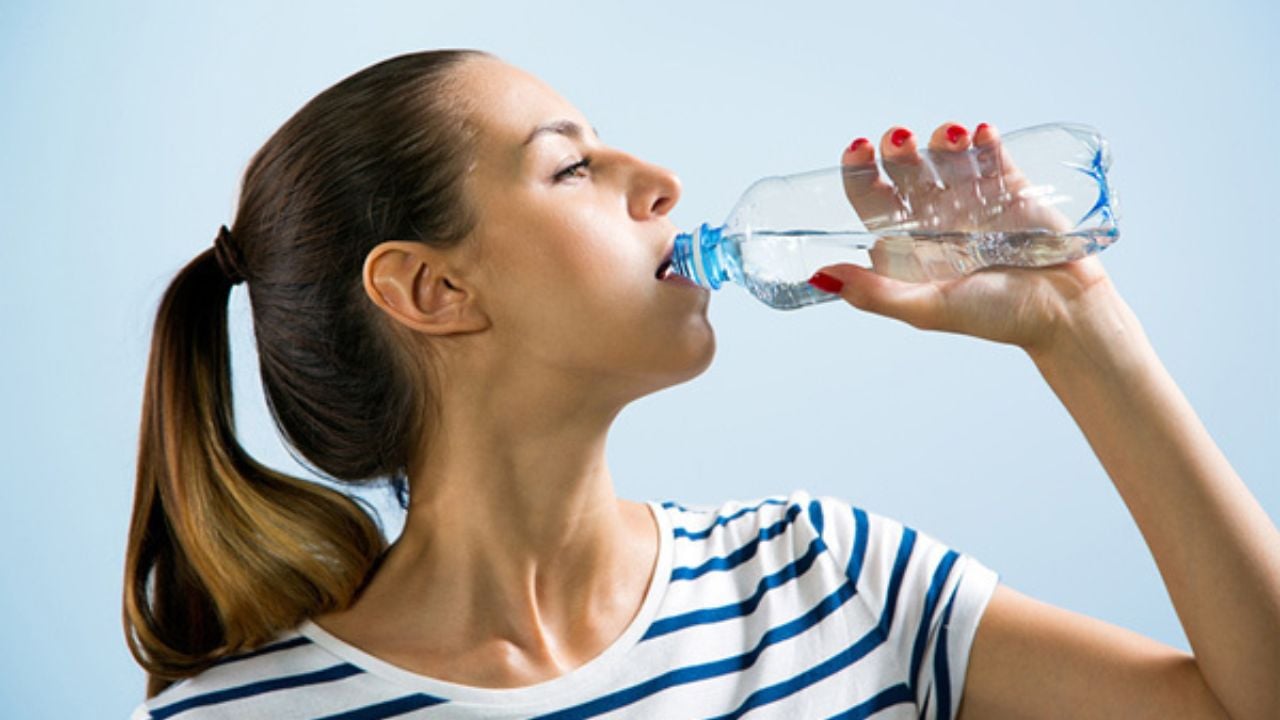
Water is essential for life. It keeps our organs functioning, supports digestion, maintains temperature balance, and helps flush out toxins. Most health advice encourages drinking more water - and yes, hydration is important.
But here’s the truth most people don’t realize:
Drinking water the wrong way can actually harm your health.
Certain water-drinking habits put unnecessary stress on your kidneys, digestion, heart, and electrolyte balance. These mistakes are extremely common, yet rarely discussed.
Here are five harmful drinking-water habits you should avoid to protect your overall well-being.
1. Drinking Too Much Water at Once
Many people try to “catch up” on hydration by drinking a large amount of water in a short time - for example, chugging multiple glasses after forgetting to hydrate.
Why this is harmful:
-
It dilutes essential electrolytes such as sodium and potassium
-
Puts stress on the kidneys
-
Can cause nausea or bloating
-
In extreme cases, leads to water intoxication (hyponatremia)
Hyponatremia affects brain function, causing:
-
Headaches
-
Confusion
-
Weakness
-
In severe cases, seizures
Your body absorbs water best when you drink slowly, in small amounts throughout the day — not all at once.
2. Drinking Water Right Before or Right After Meals
Many people drink a lot of water immediately before eating, during meals, or right after finishing. While a few small sips are fine, large amounts can disrupt digestion.
Why it’s harmful:
-
Water dilutes stomach acid
-
Weakens digestive enzyme activity
-
Slows down food breakdown
-
Causes bloating, indigestion, and heaviness
For optimal digestion:
-
Drink water 30 minutes before meals
-
Take only small sips while eating
-
Wait 30 minutes after meals before drinking again
This helps your stomach maintain the acidity level needed to digest food properly.
3. Drinking Ice-Cold Water Too Often
Ice-cold water is refreshing, especially on hot days. But regularly drinking extremely cold water can interfere with digestive and circulatory functions.
Potential negative effects:
-
Constricts blood vessels
-
Slows digestion
-
Causes stomach cramps
-
Reduces nutrient absorption
-
Triggers sore throat or coughing in sensitive individuals
Traditional medicine systems like Ayurveda and TCM recommend drinking room-temperature or warm water to support smooth digestion and circulation.
4. Drinking Water When You Are Not Thirsty (Overhydration)
Some people force themselves to drink water even when they are not thirsty, believing “the more water, the better.”
But your body has a natural hydration signal - thirst - that tells you when you need water.
Drinking excessively without needing it can cause:
-
Kidney overload
-
Frequent urination
-
Loss of electrolytes
-
Increased fatigue
-
Swelling in hands or feet
Overhydration is just as harmful as dehydration.
The key is balance, not excess.
5. Drinking Water First Thing in the Morning Too Quickly
Morning hydration is important, but gulping down a large amount of water immediately after waking up can shock your system.
Effects of drinking too quickly:
-
Sudden drop in electrolytes
-
Digestive discomfort
-
Nausea
-
Increased pressure on an empty stomach
A better way is to:
-
Start with half a glass of room-temperature water
-
Drink slowly
-
Give your stomach time to “wake up”
This helps your body gradually rehydrate after hours of sleep.
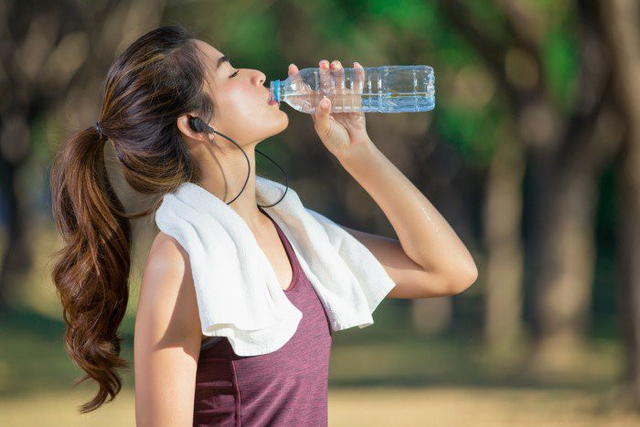
Bonus: Drinking Water From Unsafe Bottles or Containers
Many people reuse plastic bottles without realizing they may leach chemicals or harbor bacteria.
Avoid:
-
Old, scratched plastic bottles
-
Bottles exposed to heat
-
Unclean containers
Use:
-
Glass bottles
-
Stainless steel
-
BPA-free reusable bottles
Healthy Hydration Tips
To hydrate safely and effectively:
1. Drink when thirsty
Your body knows when it needs water.
2. Sip water throughout the day
Instead of large amounts all at once.
3. Choose room-temperature water
Unless otherwise needed (after a workout, for example).
4. Listen to your body
Signs of dehydration include dry mouth, fatigue, and dark urine.
5. Adjust hydraton based on conditions
Hot weather, high activity, illness, or sweating may require more water.
Conclusion
Water is vital for health, but how you drink it matters just as much as how much you drink. Drinking too much at once, drinking during meals, relying heavily on ice-cold water, overhydrating, or drinking too quickly in the morning can all disrupt your body’s natural balance.
The key to healthy hydration is slow, steady, and mindful consumption.
When you drink water the right way, you support digestion, protect your kidneys, maintain electrolyte balance, and keep your body functioning at its best.