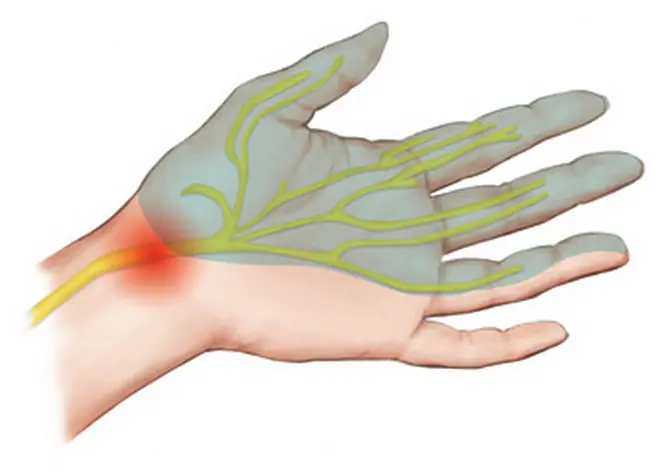
What does hand numbness mean - just discomfort or a deeper health issue?
Hand numbness: a temporary issue or a sign of something more serious?
Health 23/04/2026 12:47
If you’re looking for a natural, easy health habit that fits effortlessly into daily life, steamed ginger may be exactly what you need. This traditional warming remedy has been used for generations in Asia to support immunity, improve circulation, reduce cold sensitivity, and help the body stay resilient against seasonal illnesses.
Unlike raw ginger, steamed ginger is gentler on the stomach, easier to absorb, and more suitable for daily use—especially in simple warming drinks you can enjoy every morning or evening.
Below, you’ll learn why steamed ginger is so effective, how to make it at home, and how to turn it into a comforting immune-boosting drink you can consume every day.

Raw ginger is powerful, but it can sometimes be too stimulating—especially for people with sensitive digestion, acid reflux, or chronic cold hands and feet. Steaming ginger transforms its properties in a subtle but important way.
Key benefits of steaming ginger:
Reduces harsh heat while preserving active compounds
Makes ginger easier to digest
Enhances warming effects inside the body
Allows for long-term, daily consumption
Steaming also increases the availability of shogaols, compounds formed when ginger is heated. These are strongly linked to immune support, circulation improvement, and anti-inflammatory effects.

Steamed ginger supports the immune system by:
Promoting healthy blood flow
Supporting white blood cell activity
Helping the body respond faster to seasonal threats
Regular consumption may help reduce how often you catch colds—and how long symptoms last.
If you suffer from:
Cold hands and feet
Sensitivity to air conditioning
Feeling chilled even in warm rooms
Steamed ginger helps improve internal circulation, making it a popular warming therapy (温活) ingredient in traditional wellness practices.
Steamed ginger supports:
Clear airways
Healthy mucus balance
Faster recovery when you feel run down
It’s especially useful during cold seasons or times of stress and fatigue.
Steamed ginger:
Stimulates digestive enzymes
Reduces bloating
Supports smoother digestion without irritation
That’s why it’s often preferred over raw ginger for everyday use.
Fresh ginger root (organic if possible)
Clean water
Wash the ginger thoroughly
Do not peel it. The skin contains beneficial compounds.
Slice into thick pieces
About 3–5 mm thick. This helps retain moisture during steaming.
Steam gently
Place ginger slices in a steamer and steam for 20–30 minutes over medium heat.
Cool and dry
Let the ginger cool completely. Pat dry with a clean towel.
Store properly
Keep in an airtight container in the refrigerator for up to 1 week, or freeze for longer storage.
Steamed ginger can be used directly in drinks, soups, or grated into warm dishes.

You’ll need:
3–5 slices of steamed ginger
1 cup hot water (not boiling)
How to prepare:
Place steamed ginger slices in a cup
Pour hot water over them
Cover and steep for 5–10 minutes
Sip slowly while warm
Honey – for immune and throat support
Lemon – adds vitamin C and freshness
Cinnamon – enhances warming effects
Turmeric – boosts anti-inflammatory benefits
This drink is gentle enough to enjoy every day, even long-term.
Morning: Activates circulation and digestion
Afternoon: Prevents energy dips and cold sensitivity
Evening: Warms the body without overstimulation
If you’re prone to cold hands or feet at night, a cup after dinner can be especially helpful.
Steamed ginger is ideal for:
People who catch colds easily
Those with poor circulation
Office workers exposed to air conditioning
Individuals with weak digestion
Anyone looking for a simple immune routine
It’s generally gentler than raw ginger, making it suitable for a wide range of people.
You don’t need complicated supplements or extreme routines to support your health. Sometimes, one warm cup a day is enough to make a real difference.
Steamed ginger offers:
Daily immune support
Natural warmth and comfort
Long-term wellness benefits
Simple, affordable, and deeply rooted in traditional wisdom—this is a habit your body will thank you for.
Hand numbness: a temporary issue or a sign of something more serious?
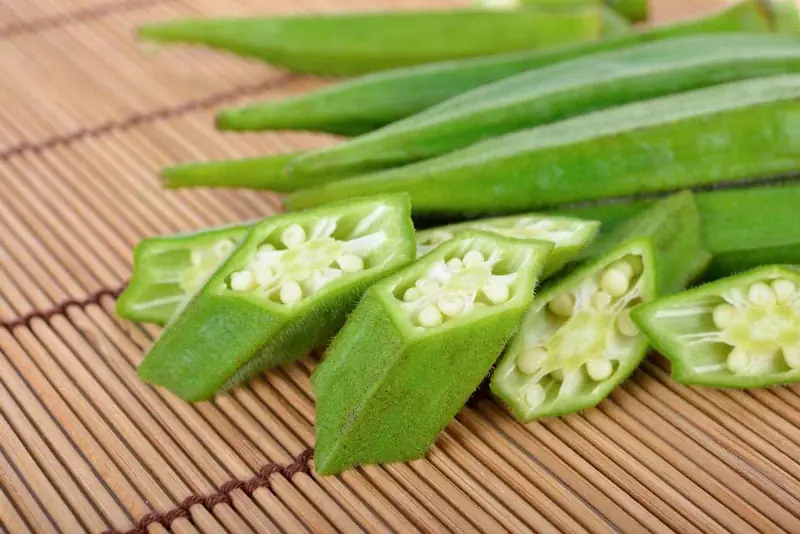
Okra is nutritious - but it may not be ideal for these 8 groups of people

7 egg varieties you may want to avoid for better health

4 parts of chicken that are best not to eat, experts say

What It Means If You Discover a Lump on Your Neck, Back, or Behind Your Ear





7 warning signs in your feet that may indicate kidney problems
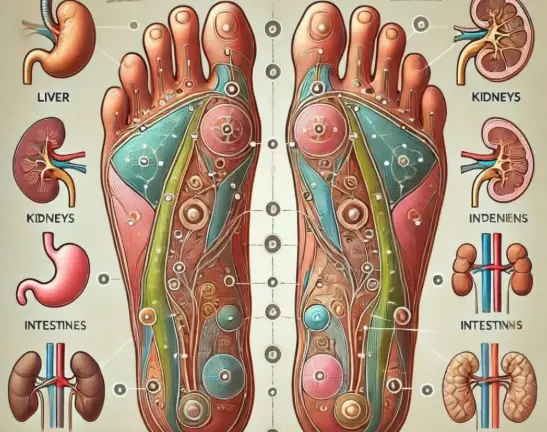
Most people don’t think of their feet as a “health warning system,” but your feet are actually one of the first places where hidden internal problems show up.
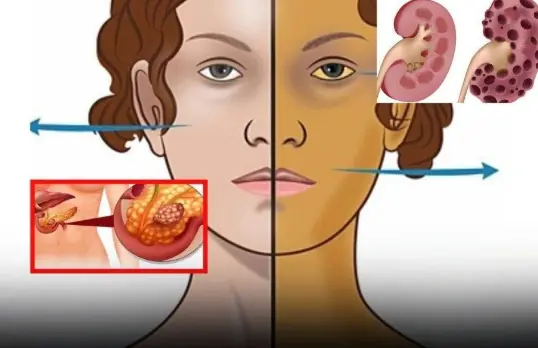

5 Early Signs of a Mini Stroke in the Elderly
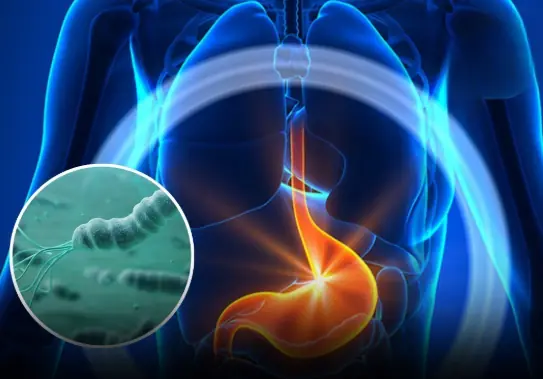

Stomach problems are common and often start with mild discomfort—things like occasional bloating, indigestion, or temporary pain after eating.



The influence of a husband’s habits on his wife’s well-being is far greater than many couples realize. Small daily choices — whether neglecting exercise or lighting a cigarette — can quietly accumulate into significant health risks over time.

Intestinal disorders are common, and many are mild or temporary, often improving with dietary adjustments or short-term treatment.

Doctors Explain the Benefits and Effects of Drinking Coconut Water
Hand numbness: a temporary issue or a sign of something more serious?
Okra is nutritious - but it may not be ideal for these 8 groups of people
7 egg varieties you may want to avoid for better health
4 parts of chicken that are best not to eat, experts say
What It Means If You Discover a Lump on Your Neck, Back, or Behind Your Ear

7 Science-Backed Health Benefits of Chayote Squash You Shouldn’t Miss
7 warning signs in your feet that may indicate kidney problems
Most people don’t think of their feet as a “health warning system,” but your feet are actually one of the first places where hidden internal problems show up.
5 Early Signs of a Mini Stroke in the Elderly
Stomach problems are common and often start with mild discomfort—things like occasional bloating, indigestion, or temporary pain after eating.