5 Warning Signs of a Mini Stroke in Older Adults You Should Never Ignore
A mini stroke may sound less serious than a full stroke, but it is actually a major warning sign that something is wrong with blood flow to the brain. Medically, it is known as a transient ischemic attack (TIA), and it happens when the blood supply to part of the brain is temporarily blocked. Even though symptoms may disappear within minutes or hours, a mini stroke should never be ignored because it can signal a higher risk of a future, more serious stroke.
Understanding the early signs can help protect the health and life of older adults, who are more vulnerable to these conditions.
1. Sudden weakness or numbness on one side of the body
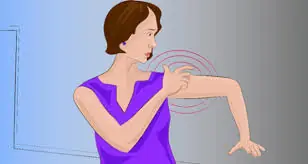
One of the most common signs of a mini stroke is sudden weakness, numbness, or paralysis on one side of the face, arm, or leg. A person may suddenly struggle to lift an arm, smile evenly, or feel one side of their body becoming “heavy” or unresponsive. This usually happens without warning and should be treated as an emergency sign.
2. Trouble speaking or understanding speech
Another important warning sign is difficulty with communication. The person may suddenly slur their words, speak in a confused way, or struggle to find the right words. In some cases, they may also have trouble understanding what others are saying. These changes can appear suddenly and may last only a short time, but they are serious indicators of a brain circulation problem.
3. Sudden vision problems
A mini stroke can also affect vision. This may include blurred vision, double vision, or temporary loss of vision in one or both eyes. Some people describe it as a “curtain” coming down over their sight. Even if vision returns quickly, it should not be ignored.
4. Dizziness, loss of balance, or coordination problems

Older adults experiencing a mini stroke may suddenly feel dizzy or unsteady. They might have trouble walking straight, maintaining balance, or coordinating movements. This can increase the risk of falls and injuries, making it especially dangerous.
5. Sudden severe headache or confusion
Although less common, some people may experience a sudden, intense headache with no clear cause. This may be accompanied by confusion, disorientation, or difficulty concentrating. These symptoms can be subtle but should be taken seriously, especially in older individuals.
Why a mini stroke is a serious warning

Even if symptoms disappear quickly, a mini stroke is a strong warning that a full stroke could happen in the near future. It means there is a temporary blockage in blood flow to the brain, and without medical attention, the underlying cause may worsen.
Doctors strongly recommend seeking immediate medical help if any of these symptoms appear, even if they go away on their own.
When to act
Time is critical. If you suspect a mini stroke, emergency medical attention should be sought right away. Early diagnosis and treatment can significantly reduce the risk of a major stroke and help prevent long-term damage.
Bottom line
A mini stroke is not “minor” in importance. It is a serious warning sign that requires attention. Recognizing the 5 key symptoms—sudden weakness, speech difficulty, vision problems, balance issues, and sudden confusion—can make a life-saving difference, especially for older adults.