5 Post-Meal Symptoms That May Signal Stomach Problems and Why Early Endoscopy Matters
Stomach cancer often develops slowly and silently, which is one reason why many cases are diagnosed at later stages. Early symptoms can be vague, resembling common digestive issues that people tend to ignore or attribute to lifestyle factors. However, gastroenterologists emphasize that paying attention to persistent or unusual post-meal symptoms can make a significant difference in early detection. While these signs do not confirm the presence of cancer, they may warrant medical evaluation, including endoscopy, to rule out underlying conditions. Below are five post-meal symptoms that deserve attention, along with an explanation of why they matter.
1. Persistent Upper Abdominal Discomfort After Eating
It is normal to experience occasional heaviness after a large meal. However, consistent upper abdominal discomfort—particularly if it occurs after normal-sized meals and continues for weeks—can indicate irritation or inflammation in the stomach lining. Chronic gastritis, ulcers, and in some cases precancerous changes may cause discomfort that worsens after eating. This symptom becomes more concerning if the pain is described as pressure, burning, or a lingering sensation of fullness that does not resolve quickly. Although common digestive problems can cause similar feelings, persistent discomfort should be medically evaluated.
2. Early Satiety (Feeling Full Too Quickly)
Early satiety refers to feeling full sooner than expected, even after eating a small amount of food. This can be caused by impaired stomach movement, inflammation, or obstruction. In certain cases, structural changes in the stomach—such as tumors or thickening of the stomach wall—may reduce the organ’s capacity and ability to expand. Early satiety can lead to unintended weight loss and nutritional deficiencies if it continues over time. Because this symptom often develops gradually, people may adjust their eating habits without considering that it signals an underlying issue. Persistent early satiety is one of the key symptoms doctors consider when recommending endoscopy.
3. Nausea or Vomiting After Meals
Nausea can arise from a wide range of causes, from stress to viral infections. However, recurring nausea or vomiting after meals—especially if unrelated to food poisoning or motion sickness—may reflect deeper gastrointestinal problems. Vomiting immediately after eating may point to delayed gastric emptying or obstruction. If vomiting contains undigested food hours after a meal, stomach motility issues may be present. When nausea is accompanied by weight loss, fatigue, or abdominal discomfort, early diagnostic testing becomes crucial. Endoscopy allows physicians to directly examine the stomach lining and identify possible inflammation, ulcers, or abnormal growths.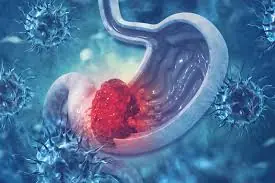
4. Bloating and Excessive Fullness That Persist Long After Eating
Temporary bloating is common, but frequent post-meal bloating that does not resolve can indicate more than a dietary sensitivity. When the stomach struggles to break down food properly, gas and pressure can build up, causing discomfort that lasts for several hours. Persistent bloating may result from gastritis, reduced stomach elasticity, or digestive obstruction. When combined with other symptoms such as pain, early satiety, or nausea, bloating becomes an important signal that further evaluation is needed. Doctors often use endoscopy to determine whether chronic inflammation or structural abnormalities are contributing to the symptom.
5. Unexplained Weight Loss Combined With Digestive Symptoms
Weight loss without intentional dieting is one of the most important signs that should not be ignored. When weight loss occurs alongside recurring post-meal discomfort, early satiety, nausea, or bloating, it may indicate that the stomach is not functioning effectively. Individuals may unconsciously eat less to avoid discomfort, or nutrients may not be absorbed efficiently due to underlying conditions. Although unexplained weight loss can result from many medical issues, it is a red flag that warrants comprehensive evaluation. Endoscopy plays a critical role in identifying potential problems early.
Why Early Endoscopy Can Be Important
Endoscopy enables doctors to directly visualize the stomach lining, detect inflammation, identify ulcers, and biopsy suspicious areas. This procedure is one of the most effective tools for diagnosing stomach conditions at early stages, including precancerous lesions. Early detection greatly increases the chances of successful treatment and prevents minor issues from progressing into more serious diseases.
It is important to emphasize that experiencing one of these symptoms does not mean a person has stomach cancer. Many benign conditions can produce similar signs. However, when these symptoms persist for several weeks, appear together, or interfere with daily life, medical evaluation becomes essential. Early attention to digestive health helps ensure timely diagnosis, reduces long-term complications, and promotes better overall well-being.