Tapeworm Risk: 7 Vegetables That Can Become Contaminated If Not Washed Properly
Vegetables are an essential part of a healthy diet, providing vitamins, fiber, and important nutrients. However, doctors warn that improper handling or washing of fresh produce can sometimes expose people to harmful parasites. While the risk is generally low, contamination can occur if vegetables are grown or prepared under poor hygiene conditions.
One of the infections associated with contaminated food is Taeniasis, a parasitic condition caused by tapeworm larvae or eggs entering the body through contaminated food or water.
How contamination happens
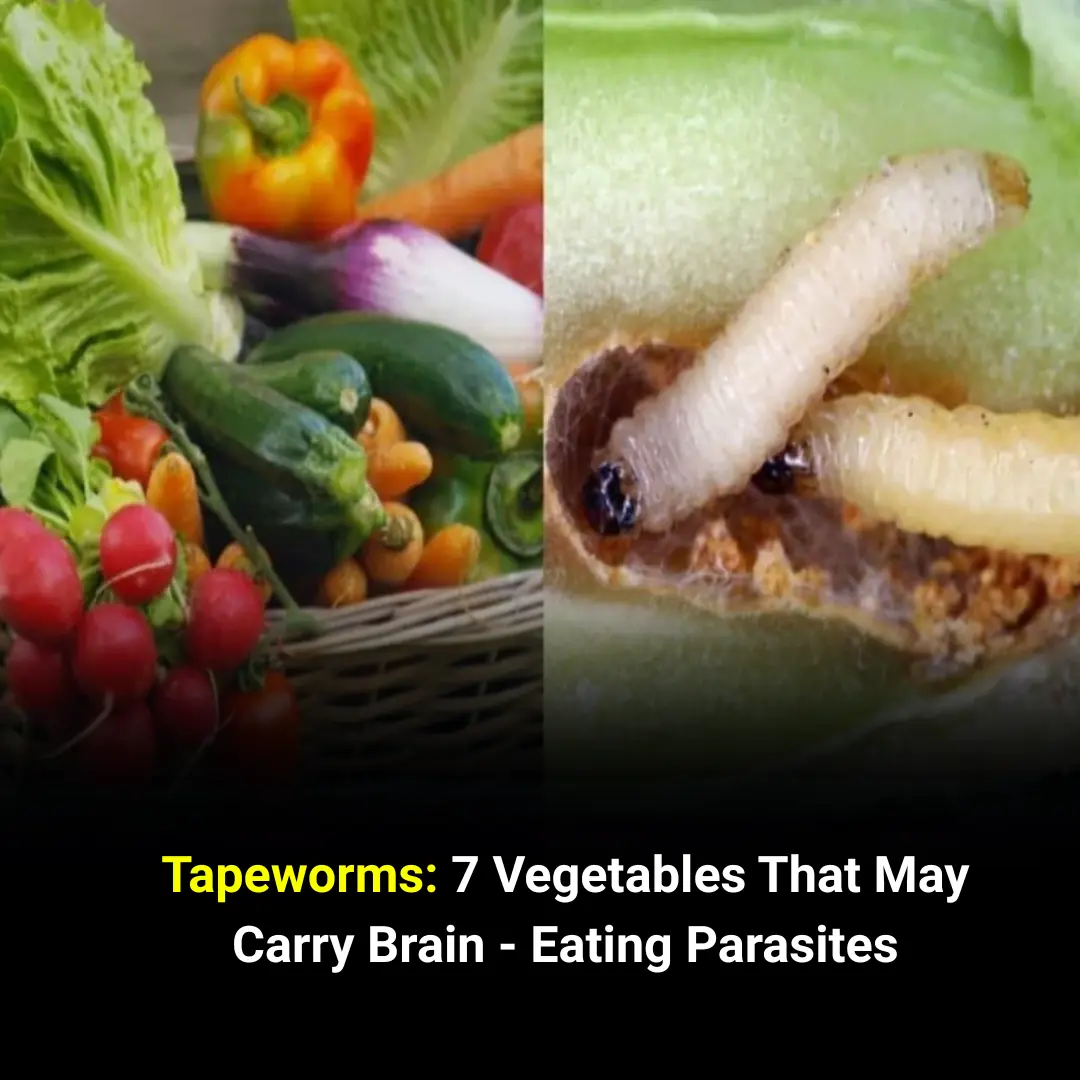
Vegetables can become contaminated when they are exposed to unsafe water, untreated soil, or improper handling during harvesting and transport. If not washed thoroughly, microscopic parasite eggs may remain on the surface and be ingested.
7 vegetables that may carry risk if not washed properly

Experts emphasize that the issue is not the vegetables themselves, but how they are cleaned and prepared. However, some commonly eaten raw vegetables require extra attention:
- Lettuce
- Spinach
- Cabbage
- Kale
- Cucumbers
- Tomatoes
- Fresh herbs such as cilantro and parsley
These foods are often consumed raw, which means any contamination is not destroyed by cooking.
Possible health effects

If tapeworm infection occurs, symptoms may develop slowly and vary depending on the severity. They can include:
- Mild abdominal pain or discomfort
- Nausea or digestive issues
- Fatigue or weakness
- Unexplained weight changes
- Changes in appetite
In some cases, infected individuals may not notice symptoms for a long time.
How to protect yourself
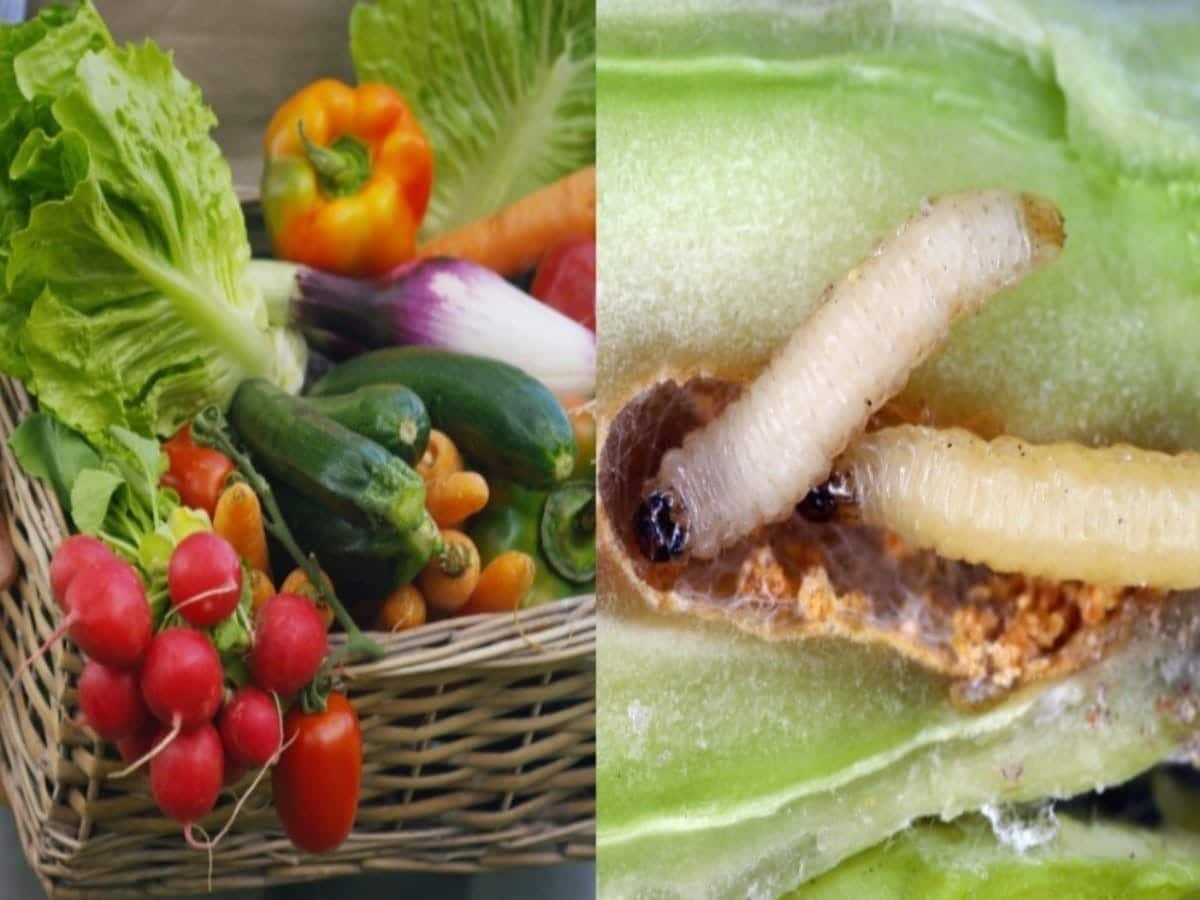
The good news is that the risk can be greatly reduced with simple hygiene practices:
- Wash all vegetables thoroughly under running clean water
- Use a vegetable brush for firm produce
- Avoid cross-contamination in the kitchen
- Store produce properly
- Peel or cook vegetables when possible
Bottom line
Vegetables remain a vital and healthy part of any diet. The risk of tapeworm infection is low and preventable. With proper washing and safe food handling practices, you can enjoy fresh produce safely and confidently every day.