
Tapeworm Risk: 7 Vegetables That Can Become Contaminated If Not Washed Properly
Tapeworms and Vegetables: The Hidden Risk You Can Easily Prevent
These People Should Not Eat Oysters — Here’s Why
Oysters are often praised as a delicacy packed with nutrients like zinc, protein, and essential minerals. While they can be a healthy choice for many, doctors warn that oysters aren’t safe for everyone—especially when eaten raw or undercooked. In some cases, they can pose serious health risks.
1. People with weakened immune systems
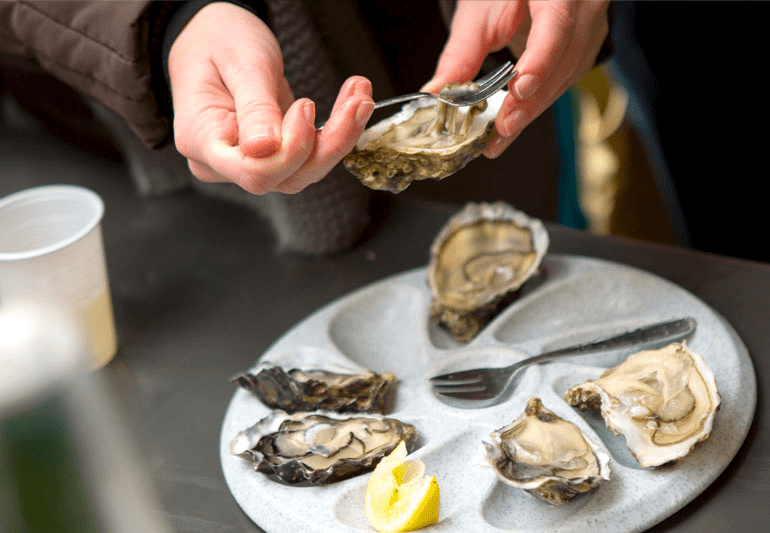
If your immune system is compromised—due to conditions like chronic illness, cancer treatment, or certain medications—you should avoid oysters, particularly raw ones. They can carry harmful bacteria such as Vibrio, which your body may struggle to fight off, leading to severe infections.
2. Those with liver disease
People with liver conditions, including hepatitis or cirrhosis, are at higher risk of complications from bacteria found in oysters. Infections can become life-threatening much more quickly in these individuals.
3. Pregnant women
During pregnancy, the immune system naturally changes, making it easier to get foodborne illnesses. Raw or undercooked oysters may contain bacteria or viruses that could harm both the mother and the baby. Doctors generally recommend avoiding them altogether during pregnancy.
4. Individuals with seafood allergies
This may seem obvious, but it’s important: anyone allergic to shellfish should stay away from oysters. Allergic reactions can range from mild symptoms to severe, life-threatening anaphylaxis.
5. People with iron overload conditions
Those with conditions like hemochromatosis (where the body stores too much iron) should be cautious. Certain bacteria found in raw oysters thrive in high-iron environments and can cause serious infections.
6. Anyone with a history of stomach sensitivity
Even in otherwise healthy individuals, raw oysters can sometimes cause digestive discomfort, including nausea, vomiting, or diarrhea. If you have a sensitive stomach, it may be safer to eat them fully cooked—or avoid them entirely.
How to reduce the risk
If you enjoy oysters, the safest option is to eat them fully cooked. Cooking at high temperatures can kill harmful bacteria and significantly reduce the risk of illness. Also, make sure they come from reputable sources and are stored properly.
Bottom line:
Oysters can be nutritious and delicious, but they’re not suitable for everyone. If you fall into any of these groups, it’s best to be cautious—or skip them altogether to protect your health.

Tapeworms and Vegetables: The Hidden Risk You Can Easily Prevent

This common bedtime snack might not be as harmless as you think… See why👇

Eating tomatoes daily? Here’s what doctors want you to know 🍅👇

Want better digestion, weight loss, and skin? Try eating bananas at these 3 times 👇

This is what your body may experience if you eat peanuts regularly

What happens to your body if you eat too many onions?

Doctors Caution: Possible Side Effects of Eating Okra You Should Know

This simple banana method may help calm your stomach and improve digestion

3 Groups Who Should Limit Coconut Water—It May Affect Circulation and Energy Levels

Want a healthier liver? Don’t miss these 4 vegetables and 2 fruits

5 powerful benefits your body can gain from eating garlic every day

This everyday fruit could boost your health after 60 — here’s how

Think Ginger Is Always Safe? These 5 Conditions Say Otherwise

Are Eggs With Blood Spots Safe to Eat? The Truth Explained

3 Perfect Times to Drink Coconut Water + Who Should Drink It Every Day

Eating Macadamia Nuts Every Day? Here’s What Might Happen to Your Body

Taro is a common food in many diets, but if you eat it often, you should take note of some important health-related facts that could affect your body more than you think.

The Secret Power of Avocados: 14 Health Benefits You Didn’t Expect

Avoid bitter melon if you belong to these 7 categories


7 warning signs in your feet that may indicate kidney problems

Most people don’t think of their feet as a “health warning system,” but your feet are actually one of the first places where hidden internal problems show up.


5 Early Signs of a Mini Stroke in the Elderly


Stomach problems are common and often start with mild discomfort—things like occasional bloating, indigestion, or temporary pain after eating.


From Storms to Smiles: Understanding the Emotional Seasons We All Go Through

The influence of a husband’s habits on his wife’s well-being is far greater than many couples realize. Small daily choices — whether neglecting exercise or lighting a cigarette — can quietly accumulate into significant health risks over time.

Intestinal disorders are common, and many are mild or temporary, often improving with dietary adjustments or short-term treatment.

Tapeworms and Vegetables: The Hidden Risk You Can Easily Prevent

A Common but Hidden Infection: Doctors Share Key Symptoms Women Should Know

If you spot these 4 types of garlic at the market, it’s best to avoid them

Morning Heel Pain Explained: What Your Body Is Trying to Tell You

These Common Nail Changes After 40 May Be Warning Signs — Don’t Ignore Them

This common bedtime snack might not be as harmless as you think… See why👇