Should We Eat Eggs With Blood Spots?
If you crack open an egg and notice a small red or brown spot inside, it can look alarming. Many people immediately wonder whether the egg is unsafe or spoiled. These spots are known as blood spots, and while they may not be pleasant to see, they are usually harmless.
So what exactly are they, and should you still eat the egg?
🥚 What are blood spots in eggs?
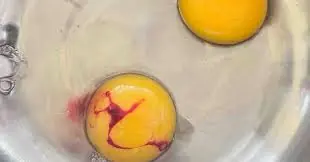
Blood spots are small red or brown specks that can sometimes appear in egg yolks or whites. They form when a tiny blood vessel in the hen’s ovary ruptures during egg formation.
Importantly, this has nothing to do with fertilization or the egg being “bad.” It is a natural occurrence that can happen even in commercially produced eggs.
According to food safety experts, blood spots are not a sign of spoilage.
⚠️ Are eggs with blood spots safe to eat?
In most cases, yes.
Eggs with small blood spots are generally safe to eat if:
- The egg is fresh
- There is no unusual smell
- The shell is intact before cracking
Food safety authorities, including egg industry guidelines, state that blood spots do not make the egg unsafe. They are usually removed during commercial processing, but occasionally one slips through.
However, if the egg smells bad or looks abnormal (green, black, or foul-smelling), it should not be consumed.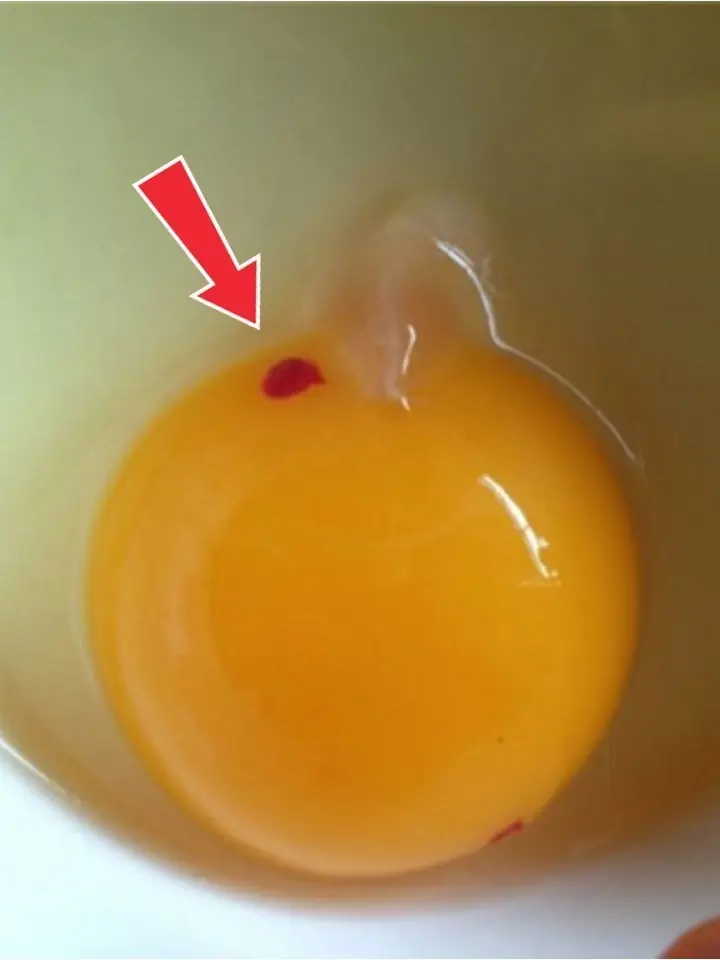
🧑🍳 Should you remove the blood spot?
This is mostly a matter of preference.
- You can remove the spot with a clean spoon or knife before cooking
- Or simply mix it in—many people do not notice it after cooking
Cooking the egg properly will eliminate any potential bacteria risk, just like with normal eggs.
🧠 Why do people worry about it?
Many people mistake blood spots for signs of contamination or fertilization. In reality, they are unrelated to either.
Modern egg production includes quality checks, but natural variations still happen occasionally.
🥗 Nutritional value is unchanged

Eggs with blood spots have the same nutritional value as regular eggs. They still contain:
- High-quality protein
- Vitamins such as B12 and D
- Healthy fats
- Essential minerals
The blood spot does not affect the egg’s nutritional content.
🧾 Final answer
Eggs with small blood spots are usually safe to eat and do not indicate spoilage or danger.
You can:
- Remove the spot if you prefer
- Or cook and eat the egg normally
💡 Conclusion:
Blood spots in eggs may look unusual, but they are a natural occurrence. In most cases, there is no health risk, and the egg can still be safely consumed.