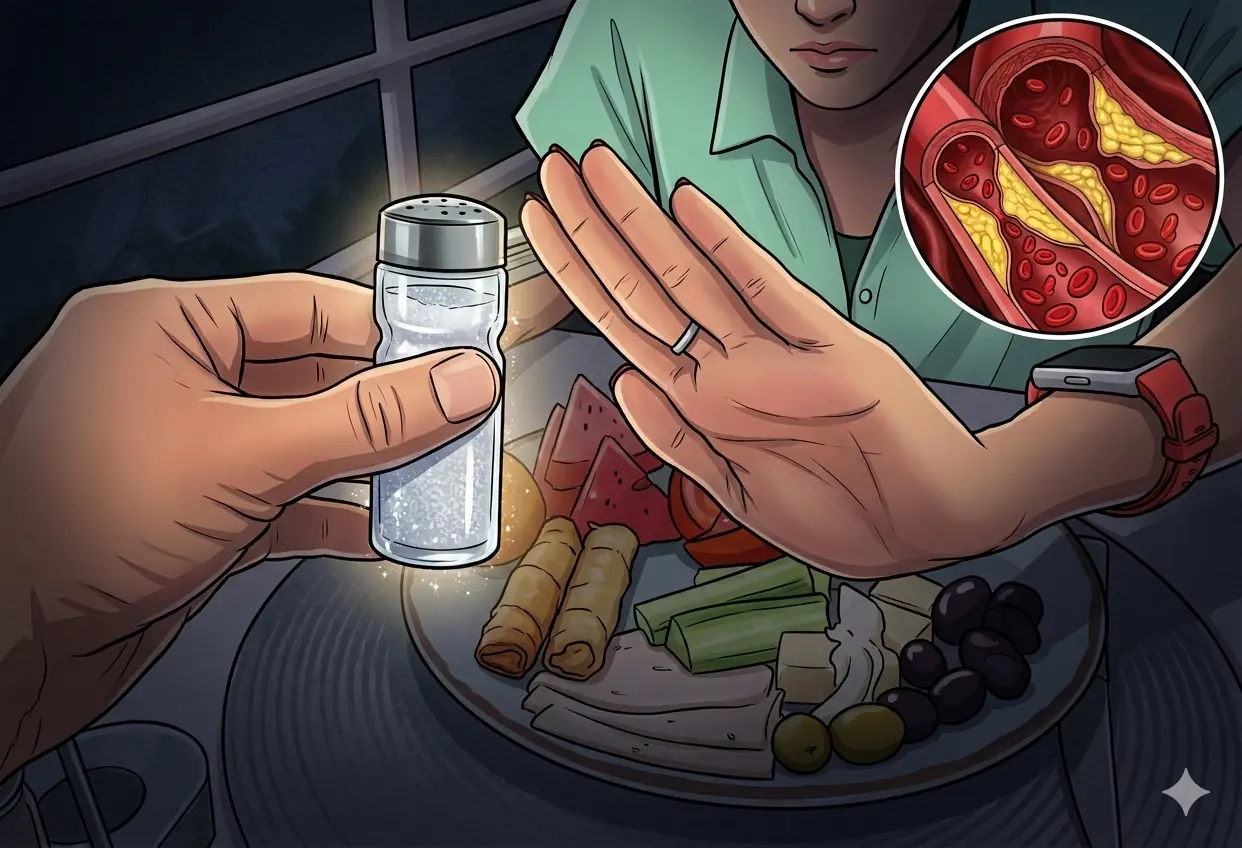
A Woman Who Never Adds Salt When Cooking — Her Health Check Results Shocked Everyone
Many people believe that eating too much salt can lead to high blood pressure, stroke, heart attack, and other cardiovascular diseases. But what happens if you don’t eat salt at all?
An elderly woman in Taiwan (China) brought her dietary records to a nutrition consultation, frustrated that although she never added salt while cooking, her blood test results still showed multiple abnormalities—especially related to blood pressure and cholesterol.
After reviewing her daily meals, the nutritionist quickly identified the real cause. While she avoided adding salt directly, she frequently used soy sauce when braising meat and regularly added oyster sauce to stir-fried vegetables to enhance flavor for her grandchildren. These seasonings had become a hidden “taste trap” she didn’t realize.
A Common Misunderstanding: If It Doesn’t Taste Salty, It’s Low in Sodium
Many people assume that only foods with a strong salty taste contain high sodium. In reality, many condiments with sweet or umami flavors can also be very high in sodium—sometimes even more than salt when used in large amounts.
Nutrition experts classify condiments into groups that require different levels of control:
- Limit as much as possible: MSG, oyster sauce, fermented bean paste — these are rich, thick, and often contain added sugar, making it easy to overuse them without noticing the sodium intake.
- Use in moderation: ketchup and chili sauce — these contain both sugar and sodium, so they should be used in small dipping portions instead of pouring directly over food.
- Safer alternatives: vinegar and natural herbs like garlic, ginger, basil, coriander, and lemon — enhancing aroma can make food flavorful without relying on salt.
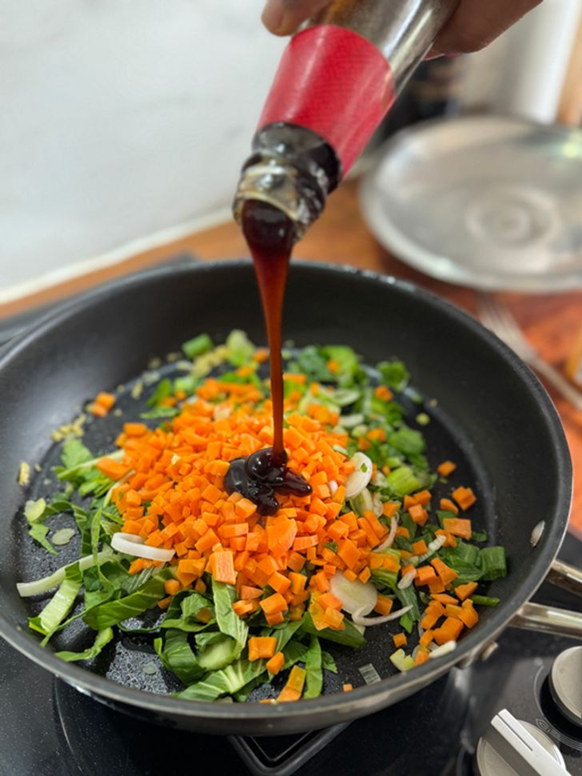
You Don’t Need to Eliminate — Just Adjust
Experts emphasize that dietary changes don’t need to be extreme. There’s no need to completely eliminate soy sauce or oyster sauce overnight.
Instead, you can:
- Use smaller measuring spoons
- Dip instead of pouring directly into dishes
- Gradually reduce the amount over time
Even small changes in cooking habits can significantly reduce daily sodium intake. When sodium levels decrease, blood pressure and cardiovascular health improve.
The Key Takeaway
This case shows that the problem isn’t simply whether you “add salt or not,” but rather the hidden sources of sodium in everyday condiments.
Recognizing these hidden sources and adjusting usage accordingly is the key to bringing health indicators back to safe levels.