Foot discomfort is common, and many people assume that any thickened or rough patch on the sole is just a callus. However, some of these lesions are actually plantar warts—a completely different condition with a different cause, structure, and treatment approach.
Understanding the difference matters, because treating them the same way can delay healing or make the problem worse.

What Are Plantar Warts?
Plantar warts are caused by the Human Papillomavirus (HPV), which enters the skin through tiny cuts or abrasions.
Key features:
- Often appear on weight-bearing areas (heel, ball of foot)
- Grow inward due to pressure from walking
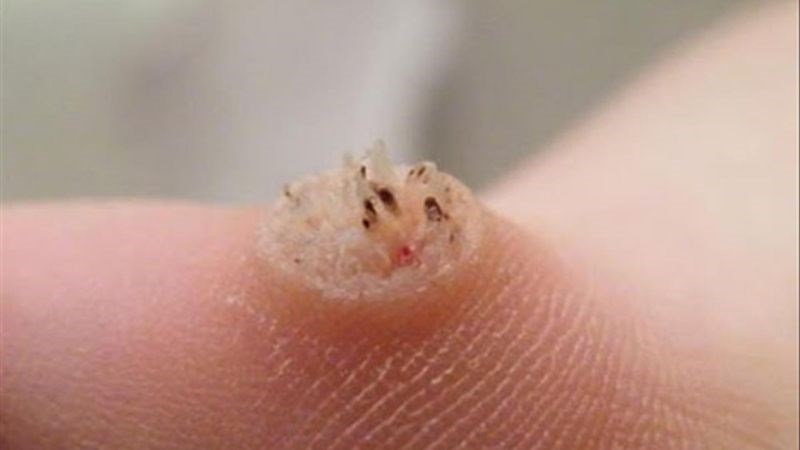
- May have small black dots (clotted blood vessels)
- Can be painful when pressed
They are contagious, especially in warm, moist environments like locker rooms or public showers.
What Are Calluses?
Calluses are not infections. They are simply areas of thickened skin caused by repeated friction or pressure.
Common causes:
- Tight shoes
- Walking or standing for long periods
- Abnormal foot mechanics
Characteristics:
- Smooth, thickened skin
- Yellowish or pale color
- Usually not sharply painful (more of a dull pressure)
Why People Confuse Them
At a glance, plantar warts and calluses can look similar because both:
- Appear on the sole of the foot
- Involve thickened skin
- Develop in pressure areas
But the underlying cause is completely different—one is viral, the other mechanical.
Key Differences You Should Know
1. Skin Lines
- Callus: Skin lines continue across the surface
- Wart: Skin lines are disrupted
2. Black Dots
- Callus: No black dots
- Wart: Often contains tiny black dots (blood vessels)

3. Pain Type
- Callus: Pain when pressure is applied directly
- Wart: Pain when squeezed from the sides
4. Cause
- Callus: Friction and pressure
- Wart: Viral infection (HPV)
5. Spread
- Callus: Does not spread
- Wart: Can spread to other areas or people
Why Misidentification Matters
Treating a wart like a callus (for example, just filing it down) won’t remove the virus. In some cases, it can even:
- Irritate the area
- Spread the infection
- Delay proper treatment
On the other hand, aggressively treating a callus like a wart can damage healthy skin.
Treatment Approaches
For Plantar Warts:
- Over-the-counter salicylic acid treatments
- Cryotherapy (freezing)
- Medical removal in persistent cases
For Calluses:
- Proper footwear
- Regular moisturizing
- Gentle filing or pumice stone
- Pressure redistribution (insoles)
When to See a Doctor
You should seek medical advice if:
- The lesion is painful or growing
- You’re unsure whether it’s a wart or callus
- It doesn’t improve with basic care
- You have conditions like diabetes or poor circulation
Final Take
Not every thick patch on your foot is “just a callus.”
Plantar warts and calluses may look similar - but they are fundamentally different in cause, behavior, and treatment.
Recognizing the difference early helps you:
- Choose the right treatment
- Avoid unnecessary discomfort
- Prevent complications or spread
Because when it comes to your health, details matter more than assumptions.