Peanuts After 60: 7 Surprising Health Benefits Older Adults Should Know About
A small handful of peanuts may offer more than a satisfying snack. For adults over 60, these affordable nuts provide protein, healthy fats, fiber, vitamins, and minerals that can support heart health, muscles, and healthy aging.
What if one of the simplest foods in your kitchen could help support your health as you grow older? It is not an expensive supplement, an exotic superfood, or a complicated diet plan. It is something many people have enjoyed for generations: peanuts.
Often served boiled, roasted, or eaten straight from the shell, peanuts may look like an ordinary snack. Yet their nutritional profile is surprisingly rich. They contain plant-based protein, predominantly unsaturated fats, fiber, magnesium, vitamin E, niacin, and other nutrients that play important roles in the body.
For adults over 60, these nutrients deserve particular attention. As the years pass, maintaining muscle strength becomes more challenging. Appetite may change, everyday activity may decrease, and conditions such as high blood pressure, elevated cholesterol, and type 2 diabetes become more common. A balanced diet can help address some of these concerns, and peanuts may be a useful part of that pattern.
But there is more to the story than simply eating a handful every day. Peanuts have benefits, limitations, and a few safety considerations that older adults should understand. The way they are prepared, the portion size, and a person's existing health conditions can all make a difference.
In this article, we will explore seven potential health benefits of peanuts, explain which nutrients make them valuable, and discuss how older adults can enjoy them sensibly. We will also look at who should be cautious, why salted varieties may not be the best everyday choice, and how peanuts can fit into a heart-conscious eating plan.
The most important point is this: peanuts are not a cure or a substitute for medical treatment, but when eaten in appropriate portions, they can be a nutritious and affordable addition to many diets.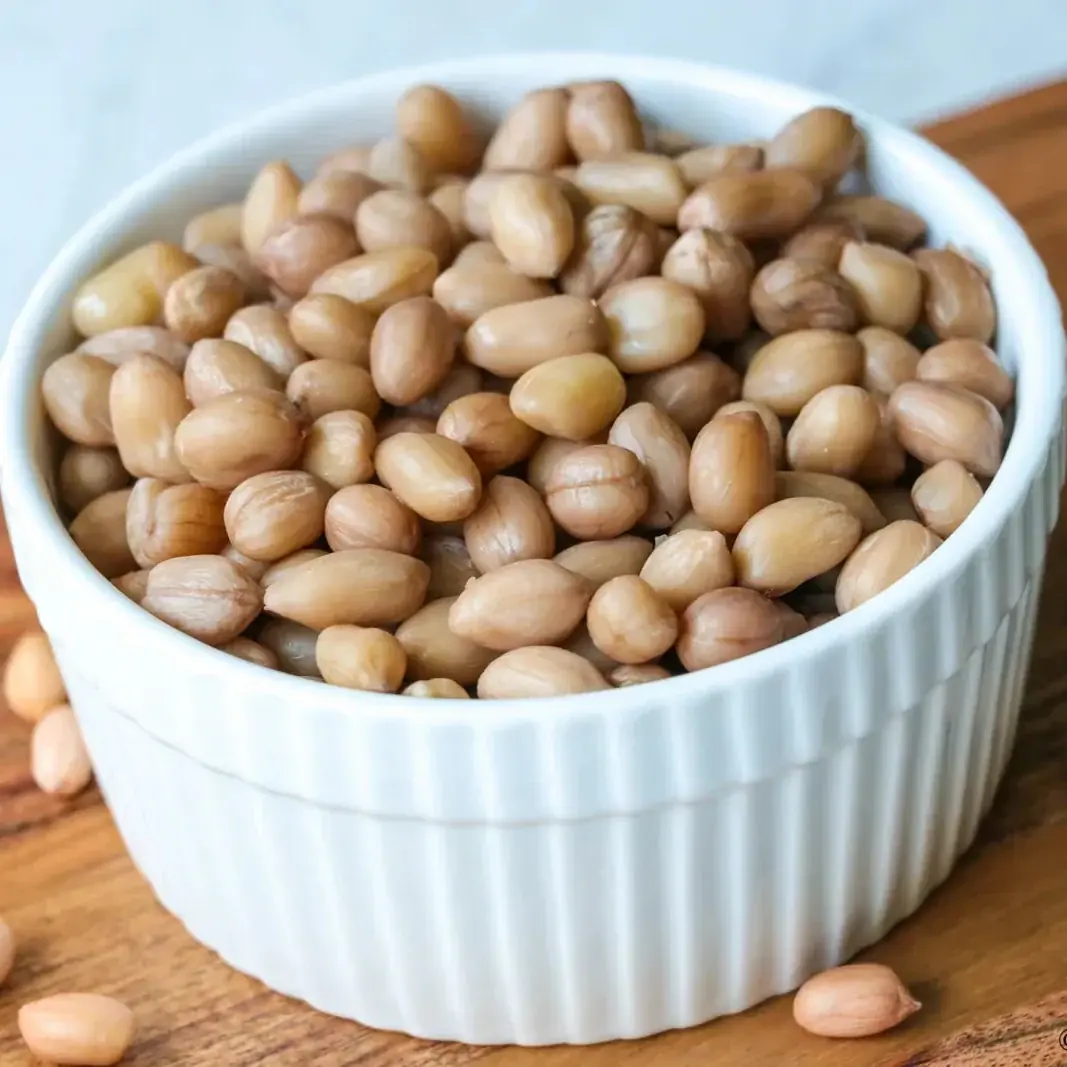
Why Nutrition Matters More After the Age of 60
Aging changes the body's nutritional needs in several ways. Some changes happen gradually, while others become more noticeable after an illness, a period of reduced activity, or a change in appetite.
One important concern is the gradual loss of muscle mass and strength. This process is often associated with age-related muscle decline, sometimes called sarcopenia. It can make everyday activities such as climbing stairs, carrying groceries, getting out of a chair, or maintaining balance more difficult.
Protein becomes particularly important in this context because the body uses it to maintain and repair muscle tissue. Older adults may need to pay closer attention to their protein intake, especially if they eat less than they did when they were younger.
Heart health is another major consideration. Blood pressure, cholesterol levels, blood vessel function, and blood sugar control all influence cardiovascular health. Food choices cannot eliminate every risk, but a balanced eating pattern can support better management of these factors.
There is also the question of energy. Older adults who eat too little may struggle to maintain body weight and strength. Others may need to manage excess weight or reduce foods high in added sugar and saturated fat. The right diet depends on the individual's health, activity level, and medical needs.
This is where peanuts can be useful. They provide several nutrients in a relatively small serving, making them a convenient snack for people who want something more nourishing than sweets or highly processed snack foods.
However, peanuts should be considered one part of a varied diet. They cannot provide everything the body needs, and they should not replace vegetables, fruit, whole grains, fish, dairy or fortified alternatives, and other protein sources.
What Makes Peanuts So Nutritious?
Peanuts are technically legumes rather than tree nuts, although they are commonly grouped with nuts because of their nutritional composition and how people eat them.
A typical 28-gram serving of dry-roasted peanuts without added salt contains approximately 160–170 calories, around 7 grams of protein, 14 grams of fat, and about 2–3 grams of fiber. Exact amounts vary depending on the variety and preparation method.
Most of the fat in peanuts is unsaturated fat, including monounsaturated and polyunsaturated fatty acids. These fats can be beneficial when they replace foods containing large amounts of saturated fat.
Peanuts also provide several important micronutrients:
-
Magnesium: Supports normal muscle and nerve function and helps regulate blood pressure.
-
Vitamin E: Acts as an antioxidant that helps protect cells from oxidative damage.
-
Niacin (vitamin B3): Helps the body convert food into energy and supports normal nervous-system function.
-
Folate: Plays a role in DNA production and normal cell division.
-
Phosphorus: Helps maintain bones and teeth and contributes to energy metabolism.
-
Copper and manganese: Support several enzymes involved in normal body functions.
-
Plant protein: Supplies amino acids needed for tissue maintenance and repair.
Peanuts also contain plant compounds such as polyphenols and phytosterols. These compounds are being studied for their possible contributions to cardiovascular and metabolic health.
Their nutritional value makes peanuts worth considering, especially when they replace less nutritious snacks. But what exactly might happen when an older adult includes them in a balanced diet?
7 Potential Health Benefits of Peanuts for Adults Over 60
1. They May Support Heart Health
Heart health is one of the strongest reasons to consider adding peanuts to a balanced diet.
Peanuts contain substantial amounts of unsaturated fats, particularly monounsaturated and polyunsaturated fats. These are generally considered more favorable for cardiovascular health than diets high in saturated fats, especially when they replace foods such as fatty processed meats, butter, and certain packaged snacks.
They also contain plant sterols, fiber, magnesium, and antioxidant compounds. Together, these nutrients contribute to the overall nutritional value of peanuts.
One important area of research is cholesterol. Low-density lipoprotein cholesterol, commonly called LDL, can contribute to plaque buildup in arteries when levels remain elevated. Over time, this process can increase the risk of heart attack and stroke.
A systematic review and meta-analysis published in Advances in Nutrition in 2023 examined randomized controlled trials involving peanuts and tree nuts. The researchers found improvements in several blood lipid markers, including LDL cholesterol, total cholesterol, and triglycerides. However, the certainty of evidence varied between outcomes, and the findings covered different types of nuts rather than peanuts alone.
This is an encouraging finding, but it does not mean peanuts can replace cholesterol medication or guarantee protection against heart disease.
For older adults, the practical lesson is to use peanuts as a replacement for less nutritious snacks rather than simply adding extra calories to an already high-calorie diet.
For example, a small portion of unsalted peanuts may be a better everyday choice than chips or heavily processed savory snacks. The benefit comes from the overall dietary pattern, not from one food acting as a treatment.
A simple habit: Keep a small container of unsalted peanuts available for occasions when you would otherwise reach for a highly processed snack.
2. They Provide Protein That Helps Maintain Muscle
Maintaining muscle strength becomes increasingly important with age.