Older adults concerned about osteoporosis or fractures should discuss bone-health assessment with a healthcare professional. Depending on individual needs, a doctor may recommend dietary changes, supplements, exercise, or medical treatment.
A small serving of peanuts can contribute to a nutrient-rich diet, but it cannot supply every mineral required for healthy bones.
7. Their Fiber Can Support Digestive Health
Digestive changes are common as people grow older.
Some experience constipation, reduced appetite, or changes in bowel habits. Physical inactivity, certain medications, inadequate fluid intake, and low-fiber diets can all contribute.
Peanuts contain dietary fiber, which helps support normal digestive function.
Fiber contributes to stool bulk and can help maintain regular bowel movements when consumed as part of an adequate-fiber diet with sufficient fluid.
It can also support gut bacteria, which play an important role in digestion and other aspects of health.
However, peanuts are not the only source of fiber, and they should not be relied upon to correct persistent constipation.
Vegetables, fruit, beans, lentils, oats, whole grains, and seeds can all contribute to daily fiber intake.
People who currently eat very little fiber should increase it gradually. A sudden large increase may cause bloating or discomfort.
Adequate hydration is also important, unless a healthcare professional has recommended fluid restriction.
For older adults who find it difficult to eat whole peanuts, smooth peanut butter may be an easier option, although it provides less fiber if the skins and other components are removed during processing.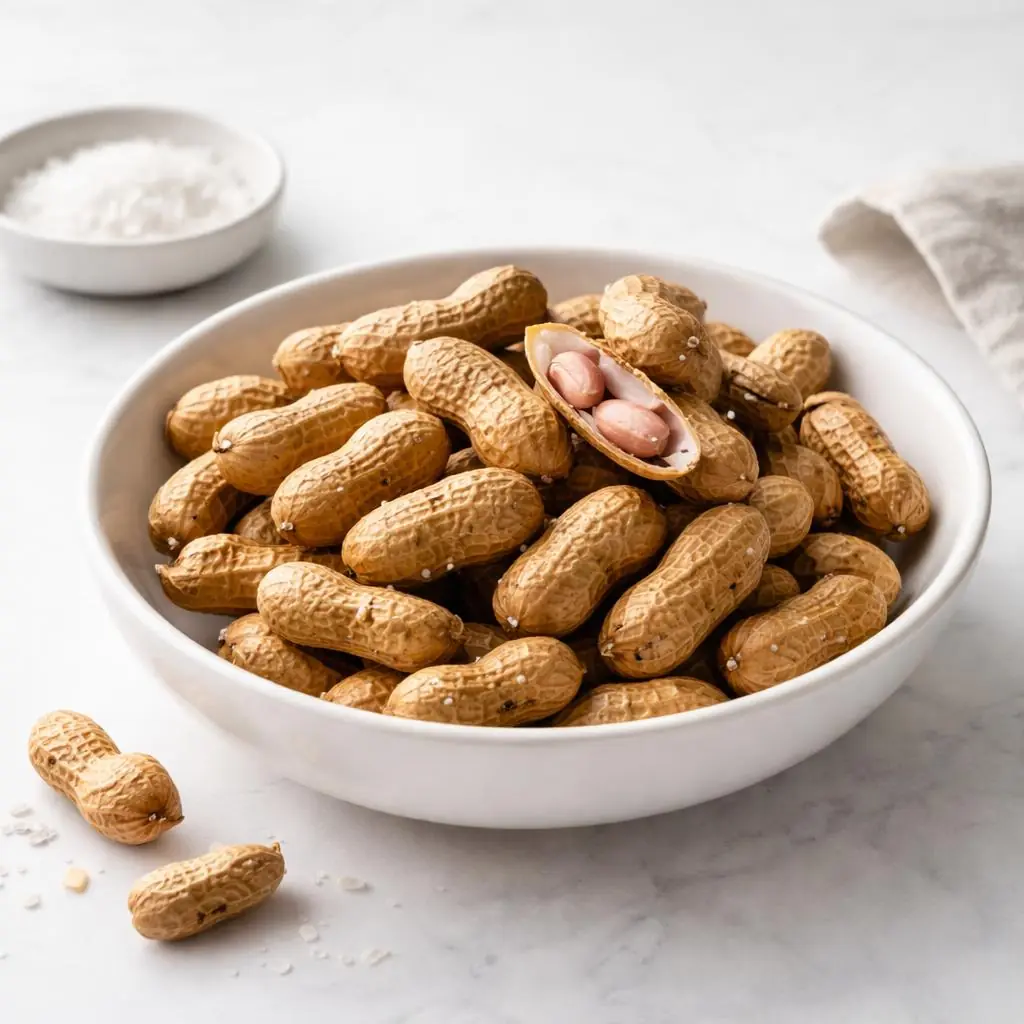
Do Peanuts Really Help Protect the Heart?
The heart-health claim deserves a closer look because it is one of the most frequently discussed benefits of nuts.
Peanuts contain unsaturated fats that can help improve the overall quality of dietary fat intake when they replace foods high in saturated fat.
They also provide plant sterols and fiber, which may contribute to healthier cholesterol levels.
Research has repeatedly found associations between regular nut consumption and better cardiovascular outcomes.
A large systematic review published in 2017 found that higher nut consumption was associated with lower rates of cardiovascular disease and coronary heart disease. Similar associations were observed for peanuts and tree nuts. However, observational studies cannot prove that eating nuts alone caused the lower risk.
A more recent review of randomized trials also found improvements in several blood lipid markers following nut consumption, although the certainty of evidence varied.
For older adults, this supports a practical recommendation: peanuts can be included in a heart-conscious eating pattern, especially when they replace foods rich in saturated fat or refined carbohydrates.
But peanuts do not directly clear blocked arteries, dissolve blood clots, or replace medication for high cholesterol or hypertension.
Someone with established cardiovascular disease should continue following their prescribed treatment and discuss any major dietary changes with their doctor.
How Many Peanuts Should Adults Over 60 Eat?
One of the biggest mistakes people make with nutritious foods is assuming that more is always better.
Peanuts are rich in nutrients, but they are also energy-dense. Eating large amounts can add considerable calories to the daily diet.
For many adults, a reasonable starting portion is approximately one small handful, or 28 grams of shelled peanuts. This is a commonly used serving size in nutrition research.
Depending on the type and preparation, that portion generally provides:
|
Nutrient |
Approximate amount |
|---|---|
|
Calories |
160–170 kcal |
|
Protein |
7 g |
|
Total fat |
14 g |
|
Carbohydrates |
5–6 g |
|
Fiber |
2–3 g |
|
Magnesium |
45–50 mg |
|
Vitamin E |
Around 2 mg |
|
Niacin |
Around 3–4 mg |
Values vary with the peanut variety, whether they are raw or roasted, and whether oil, salt, or other ingredients have been added.
For older adults with a small appetite, a modest serving can provide useful energy and protein. For people managing their weight, the same serving should be included within their daily calorie needs rather than added automatically on top of regular meals.
There is no universal rule that every person over 60 must eat peanuts every day. Some people may benefit from including them regularly, while others may need to avoid them because of allergies, swallowing difficulties, or specific medical restrictions.
The most important principle is moderation.
Why Eating Directly From the Bag Can Be a Problem
Peanuts are small, easy to eat, and relatively filling. But when someone eats while watching television or reading, it can be difficult to notice how much has been consumed.
A large packet can contain several servings.
Instead of eating directly from the package, measure a portion into a small bowl. This simple habit makes it easier to keep track of calories and sodium.
It also helps people enjoy peanuts without feeling that they must completely avoid them.
Raw, Boiled, or Roasted: Which Peanuts Are Best?
The photograph accompanying this article shows boiled peanuts in their shells, with several kernels visible. This is a familiar preparation in many countries, where peanuts are simmered in water until the shells and kernels become softer.
But boiled peanuts are only one of several options.
The best choice depends on personal preference, chewing ability, sodium needs, and the way the peanuts are prepared.
Boiled Peanuts
Boiled peanuts have a softer texture than dry-roasted peanuts.
This can make them easier to chew for some older adults, particularly those who find hard or crunchy snacks uncomfortable.
They provide protein, fat, fiber, and minerals. Their nutritional composition differs from dry-roasted peanuts partly because they absorb water during cooking.
The main issue is salt.
Traditional recipes may use large amounts of salt in the cooking water. A serving can therefore contain substantial sodium, depending on how the peanuts are prepared.
People with high blood pressure, heart failure, kidney disease, or a medically prescribed sodium restriction should pay particular attention to this.
A better everyday approach is to prepare boiled peanuts with little or no added salt and use herbs, garlic, ginger, or other seasonings for flavor.
They should also be cooked thoroughly and stored safely.
Dry-Roasted Peanuts
Dry-roasted peanuts are a convenient snack and can be a good choice when they contain no added salt or only a small amount.
They retain much of their protein, healthy fat, and mineral content.
Their texture is firmer, however, so they may not be suitable for people with dental problems or difficulty chewing.
Some commercially available roasted peanuts contain added oils, salt, flavorings, or coatings. Reading the ingredient list can help people choose a simpler product.
Raw Peanuts
Raw peanuts can be used in cooking, but they should be obtained from a reliable food supplier and stored correctly.
They are not necessarily healthier than properly prepared roasted or boiled peanuts. The nutritional differences depend on the processing method.
Raw peanuts also require attention to storage conditions because improperly stored peanuts can become contaminated with molds that may produce aflatoxins.
For everyday consumption, properly stored and prepared peanuts are a sensible choice.
Natural Peanut Butter
Peanut butter can be especially convenient for older adults who have difficulty chewing whole nuts.
It can be spread on whole-grain toast, mixed into oatmeal, or added to plain yogurt.
Look for products made primarily from peanuts, with little or no added sugar and salt.