Peanuts contain both nutrients, along with magnesium, folate, and other compounds that contribute to overall nutritional quality.
The brain needs a steady supply of oxygen, glucose, and nutrients. It also depends on healthy blood vessels, which is one reason cardiovascular health and cognitive health are closely connected.
A diet that supports blood pressure, cholesterol, and blood sugar management may contribute to long-term brain health.
However, researchers have not established that eating peanuts specifically prevents Alzheimer's disease, dementia, or age-related memory loss.
There is a difference between providing nutrients that the brain needs and proving that one particular food prevents a disease.
For older adults, a more realistic approach is to combine several healthy habits:
-
Eat a varied diet containing vegetables, fruit, whole grains, legumes, and healthy fats.
-
Stay physically active within your abilities.
-
Keep blood pressure and blood sugar under control.
-
Get enough sleep.
-
Maintain social connections.
-
Seek medical advice about persistent memory or concentration problems.
Peanuts can be part of this approach, but they are only one small piece of the picture.
Can Eating Peanuts Help With Weight Management?
Some older adults worry that peanuts contain too much fat to be included in a healthy diet.
This concern comes from the fact that fat provides more calories per gram than protein or carbohydrates.
However, the presence of fat does not automatically make a food unhealthy.
Most of the fat in peanuts is unsaturated, and their combination of protein, fat, and fiber can help people feel satisfied after eating.
Research on nuts has generally found that moderate consumption does not necessarily lead to weight gain, particularly when nuts replace other foods rather than being added without adjusting the rest of the diet.

For an older person who is trying to maintain a healthy weight, a small portion can be a useful alternative to cookies, chips, or sugary snacks.
But portion control still matters.
Consider two different situations.
An older adult who regularly eats sweet biscuits in the afternoon may replace them with a small serving of unsalted peanuts. This change may improve the overall nutritional quality of the snack.
Another person may already eat enough calories at every meal and then add several large handfuls of peanuts each day. That additional energy may make weight management more difficult.
The same food can therefore have different effects depending on how it fits into someone's overall diet.
The goal is not to avoid all calorie-dense foods. It is to choose foods that provide useful nutrients while keeping portions appropriate.
Should Older Adults Eat Peanuts Every Day?
There is no requirement to eat peanuts daily.
They are one possible source of protein, unsaturated fats, fiber, and minerals. Other foods can provide many of the same nutrients.
For example:
-
Almonds and walnuts provide unsaturated fats and minerals.
-
Beans and lentils provide protein and fiber.
-
Eggs provide high-quality protein and several vitamins.
-
Fish provides protein and, in oily varieties, omega-3 fatty acids.
-
Yogurt provides protein and calcium.
-
Seeds such as sunflower and pumpkin seeds provide healthy fats and minerals.
Variety is important because no single food contains everything the body needs.
If you enjoy peanuts and tolerate them well, including a modest serving in your regular eating pattern can be a practical choice.
If you do not like them, there is no reason to force yourself to eat them.
The best diet is one that meets nutritional needs, respects medical restrictions, and can be maintained comfortably over time.
A Simple Weekly Peanut-Eating Routine
For people who want to include peanuts more regularly, a simple routine can help avoid excessive portions.
Monday: Add a small spoonful of natural peanut butter to oatmeal.
Tuesday: Enjoy a small portion of unsalted peanuts with a piece of fruit.
Wednesday: Add finely crushed peanuts to a vegetable dish, provided the texture is safe for you.
Thursday: Mix a small amount of peanut butter into plain yogurt.
Friday: Enjoy a modest portion of dry-roasted, unsalted peanuts as an afternoon snack.
Saturday: Prepare homemade boiled peanuts using little or no added salt.
Sunday: Take a break from peanuts and choose another protein-rich snack, such as yogurt, beans, or an egg.
This is only an example, not a medical prescription. People with allergies, swallowing difficulties, kidney disease, or other dietary restrictions should follow personalized advice.
The purpose is to demonstrate that peanuts can fit into different meals without becoming the main focus of the diet.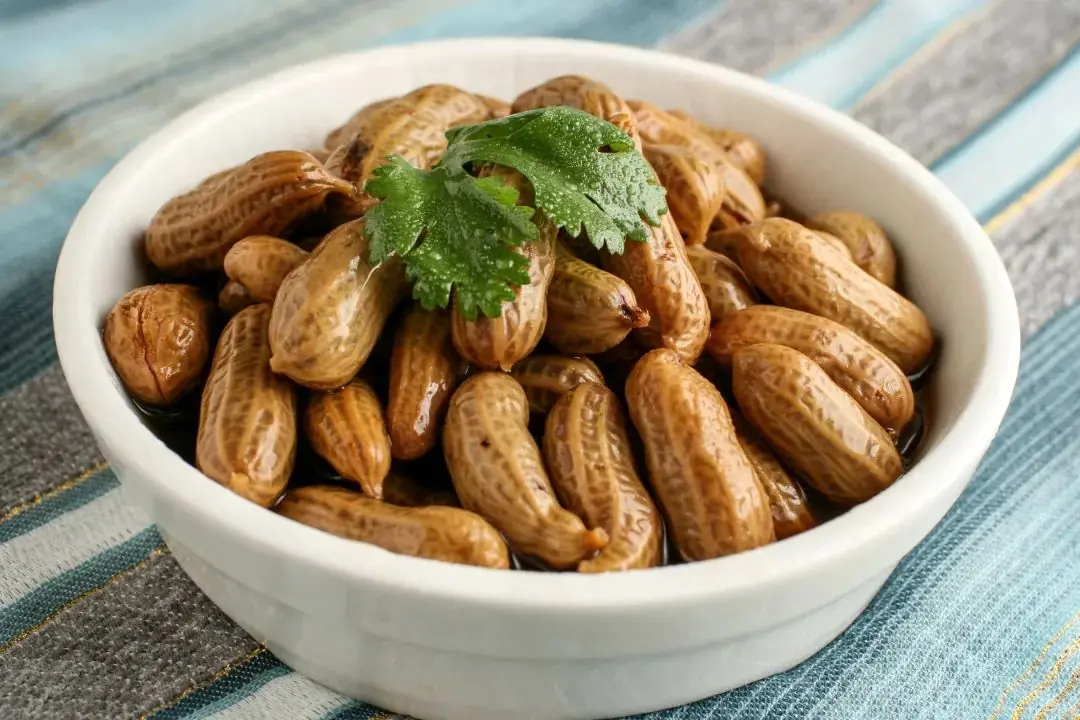
What Older Adults Should Look for When Buying Peanuts
The quality of the product matters just as much as the decision to eat it.
When shopping, check the ingredient list and choose products with as few unnecessary additions as possible.
Look for:
-
Plain or unsalted peanuts.
-
Dry-roasted varieties without excessive added oil.
-
Natural peanut butter with peanuts as the main ingredient.
-
Fresh products from reputable suppliers.
-
Packaging that is intact and properly sealed.
Be cautious with:
-
Heavily salted peanuts.
-
Sugar-coated or honey-glazed varieties.
-
Peanut snacks with artificial flavor coatings.
-
Products containing large amounts of added oil.
-
Peanuts that smell stale, moldy, or rancid.
If buying peanuts in bulk, check that they are stored in clean, dry conditions.
At home, keep them in an airtight container away from heat and moisture. If you live in a hot or humid climate, refrigeration can help maintain freshness.
For peanut butter, follow the storage instructions on the label. Some natural varieties separate because they contain no added stabilizers. Stirring the oil back into the product is normal.
The Bottom Line: A Small Food With Several Useful Nutrients
Peanuts may not look like a remarkable food, but their nutritional profile makes them worth considering as part of a balanced diet, especially for older adults.
They provide plant-based protein that contributes to muscle maintenance, unsaturated fats that can improve the quality of dietary fat intake, fiber that supports digestion, and nutrients such as vitamin E, niacin, magnesium, and folate.
Research suggests that regular nut consumption is associated with better cardiovascular health, and clinical studies have found improvements in some cholesterol-related measures. Emerging research involving older adults has also examined whether peanut butter supplementation can support physical function and muscle power.
However, these findings should be interpreted carefully. Peanuts do not cure heart disease, reverse aging, prevent dementia, or replace medication.
Their value comes from the nutrients they provide and the way they can fit into a healthy eating pattern.
For many people over 60, a small serving of unsalted peanuts can be a practical and affordable snack. They can be boiled, roasted, added to oatmeal, mixed into yogurt, or used in simple meals.
The most important considerations are choosing a suitable preparation, controlling portions, and respecting individual medical needs.
If you have a peanut allergy, difficulty swallowing, advanced kidney disease, or a prescribed dietary restriction, seek professional advice before adding peanuts regularly.
Growing older does not mean giving up enjoyable foods. It means making thoughtful choices that help maintain strength, independence, and quality of life.
Sometimes, supporting healthy aging starts with simple decisions at the kitchen table. A modest serving of peanuts may be one useful choice—but the greatest benefits come from combining good nutrition with movement, medical care, and consistent healthy habits.