And while the singer delivered her revelation with humor, the meaning behind the word she used deserves a closer look.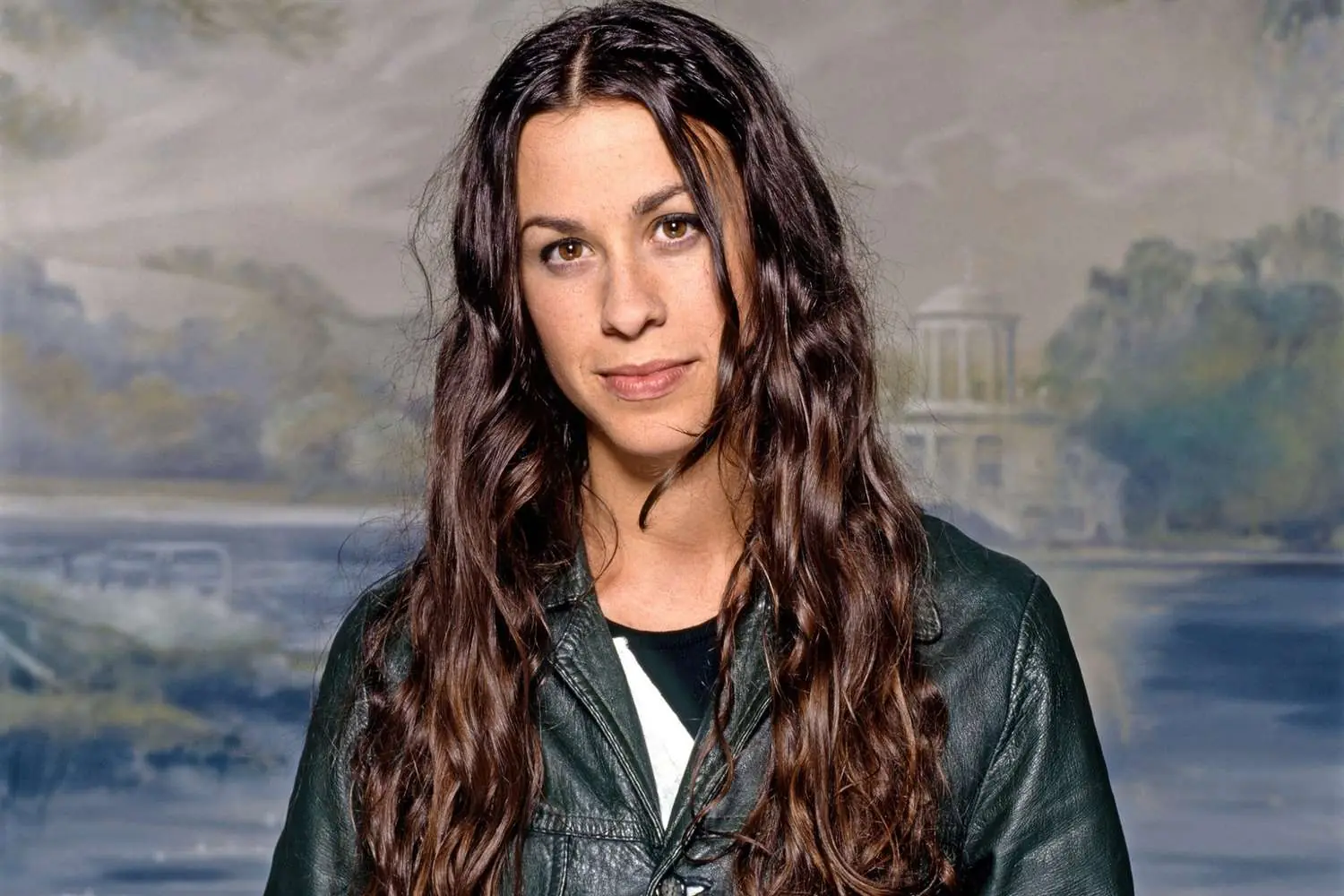
CHAPTER 2: WHAT PANSEXUALITY REALLY MEANS — AND WHY THE TERM IS OFTEN MISUNDERSTOOD
The word "pansexual" has become more visible in popular culture over the past decade, yet many people still struggle to understand what it means.
Some assume it is simply another word for bisexuality. Others mistakenly believe it means someone is attracted to every person they meet, regardless of personality, compatibility, or individual boundaries.
Neither assumption accurately describes the identity.
According to the definition commonly used in educational health resources, pansexuality refers to romantic, emotional, and/or sexual attraction to people regardless of their gender.
For someone who identifies as pansexual, gender may not be a defining factor in determining whether they feel attracted to another person.
This does not mean that every person is automatically attractive to them. Attraction remains individual. Personality, emotional connection, chemistry, values, and personal preferences can all matter.
The distinction is important because the word describes the possible scope of attraction, not an unlimited willingness to pursue relationships.
Understanding the difference between pansexuality and bisexuality
One reason the subject can become confusing is that pansexuality and bisexuality are sometimes discussed as though they are completely separate experiences.
In reality, there can be overlap.
Bisexuality is commonly understood as attraction to more than one gender. Some bisexual people describe their attraction as involving two or more genders, while others use the term in ways that encompass attraction across the gender spectrum.
Pansexuality is often used to describe attraction regardless of gender, emphasizing that gender is not the defining factor in someone's attraction.
The two labels can therefore describe experiences that overlap, but they are not necessarily interchangeable for everyone.
A bisexual person may feel that the word bisexual accurately describes their identity and experiences. A pansexual person may prefer pansexual because it more closely reflects how they experience attraction.
Neither term should be treated as a more progressive, more inclusive, or more accurate version of the other.
The meaning of a label is also deeply personal. People may choose one term over another because of their individual experiences, the language they grew up with, or the way they understand their relationships.
Why the distinction involving gender identity matters
Discussions about bisexuality and pansexuality sometimes become inaccurate when they suggest that one identity includes transgender or nonbinary people while the other does not.
That is a misconception.
Bisexuality does not inherently exclude transgender or nonbinary people. Many bisexual individuals are attracted to people of different gender identities, and bisexual organizations and communities have long included broad understandings of attraction.
Pansexuality can emphasize that attraction is not determined by gender, but this does not mean that people using other labels necessarily have narrower or less inclusive experiences.
It is also important to understand the difference between sexual orientation and gender identity.
Sexual orientation concerns patterns of romantic, emotional, or sexual attraction.
Gender identity concerns a person's internal understanding of their own gender.
These are related aspects of personal identity, but they are not the same thing.
A transgender person is not a separate category of sexual orientation. Transgender people can be heterosexual, gay, lesbian, bisexual, pansexual, asexual, or identify in other ways.
Similarly, nonbinary people may have any sexual orientation.
Understanding these distinctions helps prevent conversations about identity from becoming oversimplified or misleading.
Why some people choose a specific label
For many individuals, choosing a label is not about fitting into a category created by someone else.
It is about finding language that makes their experiences easier to understand and communicate.
One person may identify as bisexual because the term feels familiar and accurately reflects their attraction. Another may identify as pansexual because they feel that gender plays little or no determining role in whom they can love.
Some people use both terms. Others prefer not to use a label at all.
There is no universal requirement that someone explain every detail of their identity to make it valid.
This is particularly relevant when public figures speak about their sexuality. A brief statement may invite curiosity, but it does not give the public permission to demand a complete account of someone's romantic history.
In Morissette's case, the podcast exchange was relatively short. She confirmed that she was pansexual and made a joke about saving the revelation for the end of the episode.