Some people began treating every label as though it had one rigid definition. Others assumed that two people using different words must have completely different experiences.
In reality, personal identity is often more nuanced.
People may choose terms that reflect their experiences, communities, histories, and sense of belonging. They may also change the words they use over time as their understanding of themselves develops.
There is no requirement that someone settle on a label at a particular age or defend it permanently.
Why celebrity disclosures attract so much attention
When an internationally recognized singer speaks about sexuality, the news can spread quickly.
Fans discuss the statement, entertainment outlets publish explanations, and social media users debate what the term means.
Some responses are supportive. Others are confused. Some people may even question why the artist chose to discuss the subject at all.
But public curiosity does not always translate into public understanding.
A headline announcing that a celebrity is pansexual may attract clicks, but readers also need clear information about what the word actually means.
Without that context, a personal disclosure can become little more than a sensational talking point.
That would miss the more meaningful opportunity.
Morissette's conversation on Handsome offers a chance to explain that sexual orientation is not always captured by the assumptions people make about relationships.
It also illustrates why individuals should be allowed to describe their own identities.
Her statement was not a declaration that everyone should use the same label. It was simply her own confirmation of how she identifies.
What her revelation does — and does not — tell us
There are several things that can reasonably be taken from the podcast exchange.
Morissette identified herself as pansexual. She did so during a conversation with Fortune Feimster, Tig Notaro, and Mae Martin on November 3. She confirmed the statement when Notaro questioned whether she was serious, and she used humor to explain why she had waited until the end of the episode to share it.
Those are the details provided by the conversation.
What the exchange does not establish is a complete account of her romantic history, when she first began using the label, or how she has privately understood her sexuality throughout her life.
It also does not provide a reason to speculate about her relationships or make assumptions based on the gender of people she has previously dated.
Respecting the disclosure means accepting what she has said without inventing details she has not shared.
The same principle applies to any person discussing their sexuality, whether they are a famous musician or someone speaking privately with friends.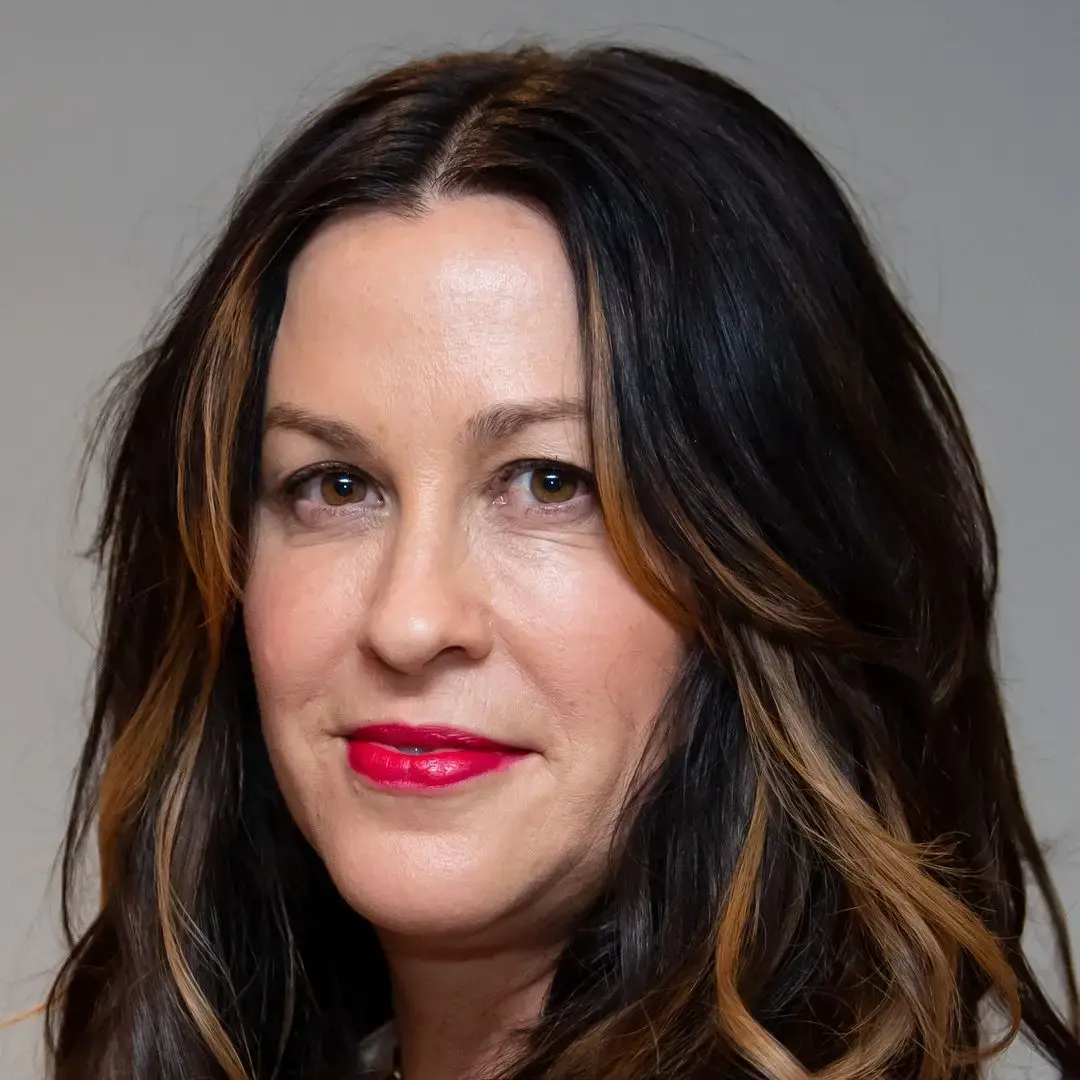
A conversation bigger than one celebrity headline
Perhaps the most interesting part of Morissette's appearance was not simply that she used a word some listeners might not have expected.
It was how naturally the subject emerged.
The conversation began with music, heartbreak, and the experiences that had inspired her songwriting. A humorous question led to a personal answer, which then opened a discussion about a sexual identity that remains unfamiliar to many people.
That is often how meaningful conversations begin: not through a formal announcement, but through an ordinary exchange that encourages people to ask questions.
Morissette's playful response may have made the moment memorable, while the explanation of pansexuality gives audiences an opportunity to understand it more accurately.
For some listeners, the revelation may have been surprising. For others, it may have felt like a welcome moment of visibility.
And for anyone who had never encountered the term before, it may have been the beginning of a more informed conversation about attraction, identity, and the freedom to choose language that feels right.
Ultimately, the important point is not whether every listener understands or personally relates to the label.
It is whether people are willing to respect the way others describe themselves.
Alanis Morissette has spent much of her career turning complicated emotions into music that invites people to reflect on their own experiences. This time, a brief exchange on a podcast offered a different kind of personal insight.
She delivered it with a joke, a smile, and a final line about saving the surprise for the epilogue.
But the conversation did not end with the laughter.
It left listeners with a question worth considering: How much do we really understand about the words people use to describe who they are?
And perhaps more importantly, can we make room for those identities without assuming that everyone must experience love and attraction in exactly the same way?