This condition often begins with one larger patch, followed by smaller lesions elsewhere on the body. The patches may have a slightly scaly appearance.
It commonly resolves on its own, although the duration can vary.
Bacterial skin infections
Some bacterial infections can produce redness, swelling, crusting, or painful lesions. These usually have different characteristics from classic ringworm, but a clinician may need to rule them out.
The important point is that a circular shape is a visual clue, not a diagnosis.
8. Why Children Are More Vulnerable to Certain Skin Problems
Children's skin is still developing, and their daily activities can expose them to a wide variety of irritants and microorganisms.
School environments are particularly relevant.
Children frequently share sports equipment, participate in physical activities, use communal facilities, and interact closely with classmates.
These activities can increase exposure to fungal infections and other contagious skin conditions.
Sweating can also contribute to irritation, particularly around the neck, where moisture may become trapped beneath clothing or hair.
Another factor is children's tendency to touch and scratch irritated areas.
Repeated scratching can damage the skin barrier, increase inflammation, and potentially introduce bacteria into broken skin.
This does not mean parents should constantly prevent children from playing or participating in normal activities. Instead, basic hygiene practices can help reduce unnecessary exposure.
These include regular handwashing, avoiding shared personal items, cleaning sports equipment, and keeping towels and clothing clean.
9. What Should Parents Look for?
Before visiting a doctor, parents can carefully observe the affected area and document any changes.
Important details include:
Changes in size: Are the marks becoming larger? Are additional patches appearing?
Skin texture: Are the affected areas smooth, rough, dry, scaly, or raised?
Itching: Does the child frequently scratch the back of the neck, particularly at night?
Pain or tenderness: Does the child complain when the affected area is touched?
Color changes: Are the marks becoming brighter red, darker, brownish, or purple?
Other affected areas: Are similar patches appearing on the scalp, face, arms, legs, or torso?
Taking photographs every few days under similar lighting conditions can help doctors understand how the condition has progressed.
Parents should also mention any recent changes involving shampoo, detergent, clothing, pets, medications, or skin-care products.
These details can be surprisingly useful during a dermatological assessment.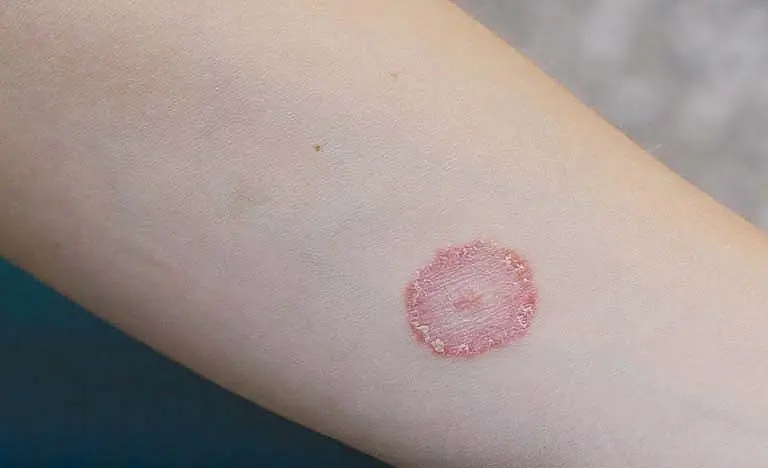
10. When Should the Child See a Doctor?
Because the marks have reportedly been present for two months and are getting worse, the child should be examined by a pediatrician or dermatologist promptly rather than continuing to wait.
Seek more urgent medical attention if the affected skin becomes increasingly painful, hot, swollen, rapidly spreading, or begins producing pus.
A fever, unusual tiredness, or the child appearing generally unwell alongside the rash also warrants prompt assessment.
Difficulty breathing or swelling of the lips or face requires emergency medical care.
During the appointment, the doctor may perform a physical examination and consider additional tests depending on the appearance.
These may include:
-
A fungal skin scraping.
-
A Wood's lamp examination when appropriate.
-
Bacterial testing if infection is suspected.
-
Allergy evaluation or patch testing.
-
A skin biopsy in selected cases.
Not every child needs all these tests. The appropriate investigation depends on the findings.
11. What Can Parents Do at Home While Waiting?
While waiting for the appointment, parents can take several reasonable steps to protect the affected skin.
Keep the area clean and dry. Gently wash the neck with lukewarm water and a mild, fragrance-free cleanser.
Avoid scratching. Keep the child's fingernails short and discourage repeated rubbing of the affected area.
Choose comfortable clothing. Soft, breathable fabrics can reduce friction around the neck.
Avoid introducing new products. Strong fragrances, essential oils, harsh cleansers, and unprescribed creams may worsen irritation.
Do not share personal items. If a fungal infection is suspected, avoid sharing towels, clothing, and hairbrushes until the condition has been assessed.
Avoid experimenting with home remedies. Vinegar, alcohol, bleach, concentrated essential oils, and other harsh substances can damage a child's sensitive skin.
Most importantly, parents should not apply multiple medications in an attempt to treat an unknown condition. Some products can change the appearance of a rash and make diagnosis more difficult.
12. Common Mistakes Parents Make When Treating Persistent Rashes
When a child develops a rash, parents naturally want to make it disappear as quickly as possible.
Unfortunately, some well-intentioned approaches can delay the correct diagnosis.