At 31, After Three Strokes: The Price of a “No Consequences, No Fear” Lifestyle Many Young People Live By
Some health crises do not give us a chance to “start over.” And sometimes, what we need most is not to be younger, but to stop in time and listen to our bodies.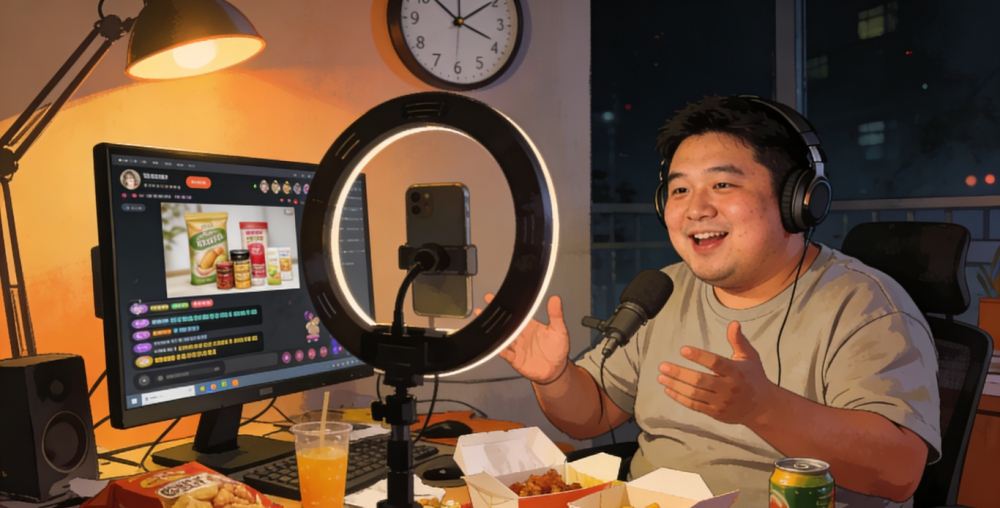
At the age of 31—when many people believe they are in the prime of their lives—a man in China was forced to face an unimaginable ordeal: three strokes within just three years.
The case, recently shared by doctors at Fujian Provincial Rehabilitation Hospital, has alarmed many. The patient was a young man working as a livestream sales host—a job that requires sitting for long periods and working continuously for many hours in front of a screen.
Three years ago, one morning, he suddenly experienced weakness on the right side of his body, facial drooping, and slurred speech. He was diagnosed with an ischemic stroke. Thanks to timely hospital treatment, he survived the critical phase and was left with only mild aftereffects that did not significantly affect his daily life.
Ironically, this “quick recovery” made him complacent. Medical advice on lifestyle changes and long-term treatment was not taken seriously. As a result, from late last year to early this year, he suffered two more strokes.
After reviewing his medical history and daily habits, doctors identified a familiar yet deeply concerning pattern: chronic late nights, sitting continuously for hours, almost no physical activity, irregular meals dominated by fast food, greasy dishes, sweets, and sugary drinks. During periods of stress, he smoked one to two packs of cigarettes a day and drank alcohol frequently.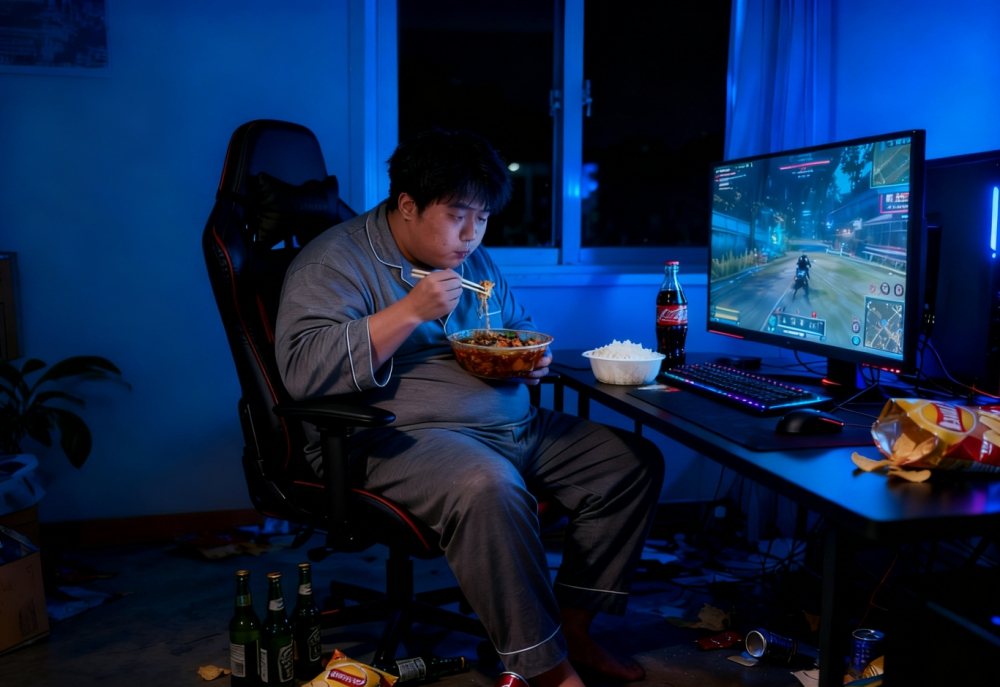
Notably, six years earlier, he had already been diagnosed with high blood pressure, dyslipidemia, diabetes, and obesity—but he failed to monitor or treat these conditions properly.
According to doctors, many people still believe that stroke is a disease of the elderly. In reality, stroke is increasingly affecting younger populations. People aged 18–45 are now classified as a high-risk group for early-onset stroke, especially those with unhealthy lifestyles.
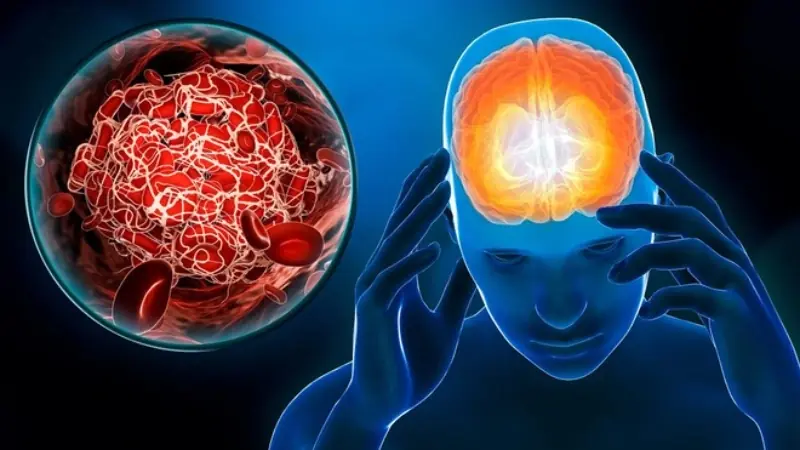
There are two main types of stroke: ischemic stroke and hemorrhagic stroke. Both can cause paralysis on one side of the body, speech disorders, coma, and long-term disability. Stroke is also known as a disease of the “five highs”: high incidence, high mortality, high disability rate, high recurrence rate, and high economic burden.
Experts stress that the main culprit behind strokes in young people is not age, but lifestyle. Chronic sleep deprivation disrupts the nervous system and blood pressure; prolonged sitting worsens fat metabolism; smoking and alcohol damage blood vessels; inadequate water intake thickens the blood; and diets high in salt, sugar, and fat silently accelerate atherosclerosis.
How Can Young People Prevent Stroke?
To prevent stroke early, doctors recommend that young people proactively monitor blood pressure, blood sugar, and blood lipids—especially if they have risk factors. Getting enough sleep, exercising regularly, eating a balanced diet, and limiting smoking and alcohol are not difficult changes, but they are crucial.
The case of this 31-year-old man is a stark warning: the body does not keep an endless tab, and habits that seem harmless today can turn into serious health crises in the very near future.