Stroke Warning: Signs That Can Appear Up to One Week in Advance — Do Not Ignore
Some people may experience warning signs of a stroke beforehand, often related to a transient ischemic attack (TIA) or the rupture of small blood vessels, which is usually mild in severity.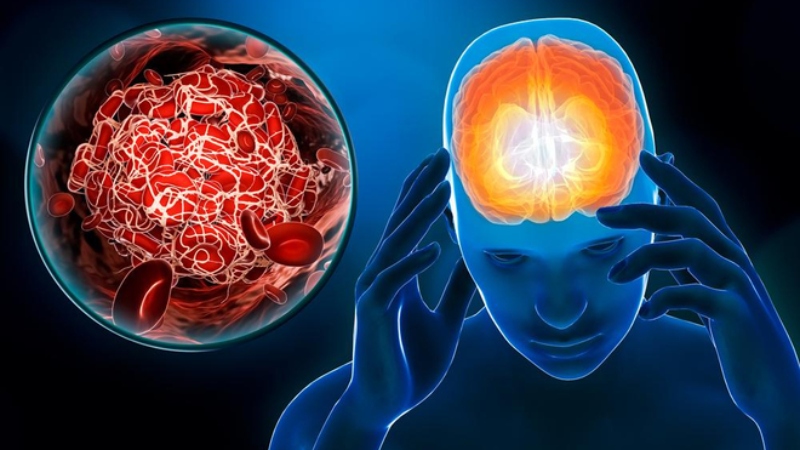
These transient ischemic episodes occur very quickly, typically lasting only 10–20 minutes and rarely more than 1 hour. They often leave no lasting effects, so they are easily overlooked. However, some patients may suffer a stroke within 3 months after a TIA, and in certain cases, it can occur as soon as one week later—meaning the transient ischemic episode itself is a warning sign of an impending stroke within a week.
Typical symptoms include:
-
Numbness, weakness, or paralysis on one side of the arm or leg.
-
Facial drooping or paralysis on one side of the face.
-
Drowsiness, altered consciousness, or even coma.
-
Changes in gait or reduced coordination.
-
Difficulty speaking or speech disorders.
-
Dizziness, lightheadedness, or fainting.
-
Mild headache.
-
Memory disturbances or seizures.
However, many people do not have obvious symptoms and only notice problems when they struggle with daily activities, such as dropping objects, writing poorly, tongue clumsiness, or forgetting the names of close family members. Brief episodes of dizziness are also easily dismissed.
Doctors emphasize that people with a history of high blood pressure, abnormal blood lipids, or diabetes who experience these signs should be especially vigilant, as their risk of stroke is higher.
Who Is at Risk of Stroke?
According to experts, a high risk of stroke is commonly seen in people with cardiovascular conditions, metabolic disorders, or unhealthy lifestyles. The risk increases with the number of risk factors a person has. Specifically:
Cardiovascular conditions:
-
High blood pressure: the most important risk factor.
-
Heart disease, heart failure, myocardial infarction, valvular heart disease.
-
Atrial fibrillation — increases the risk of blood clots that can block cerebral arteries.
-
Carotid atherosclerosis — unstable plaques can rupture and cause cerebral artery blockage.
Metabolic disorders:
-
Diabetes — increases the risk of both ischemic stroke and brain hemorrhage.
-
Dyslipidemia — promotes atherosclerosis.
-
Obesity and metabolic syndrome.
Lifestyle factors:
-
Smoking (increases risk 2–4 times).
-
Heavy alcohol consumption.
-
Physical inactivity, high salt intake, and diets rich in saturated fats.
-
Chronic stress.
Biological and genetic factors:
-
Age over 55, with risk increasing as age advances.
-
Men have a higher risk than women before menopause.
-
Family history of stroke or early-onset cardiovascular disease.
-
Certain blood clotting disorders or congenital vascular diseases.
In addition, other medical conditions such as obstructive sleep apnea (OSA), chronic kidney disease, vasculitis, or immune-mediated vascular disorders also increase stroke risk.
Very high-risk groups that require close monitoring and proactive prevention include:
-
People with high blood pressure combined with diabetes and smoking.
-
People with atrial fibrillation or intracardiac blood clots.
-
People who have previously experienced a transient ischemic attack (TIA) or a minor stroke.