When Should You Bathe? Simple Timing Tips for Better Health
Choosing the Right Time to Shower: What You Should Know
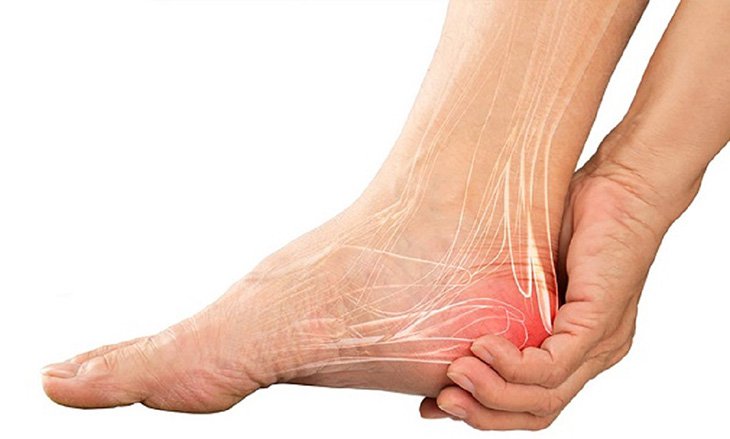
Nightly leg cramps can strike without warning, tightening the muscles of the calf, foot, or thigh and leaving lingering soreness long after the spasm ends.
While leg cramps are common—especially as people age—they are not something you have to accept as normal. In most cases, they are a signal that the body needs attention, not a mystery with no solution.
Nighttime leg cramps are involuntary muscle contractions that usually occur during sleep or rest. They can last from a few seconds to several minutes and may leave the muscle tender for hours or even days.
They are different from:
Restless leg syndrome
Muscle twitching
Exercise-related soreness
Leg cramps are sudden, painful, and forceful.
Several factors can contribute to recurring leg cramps at night.
When the body lacks enough fluids, muscles are more likely to contract improperly.
Even mild dehydration can:
Reduce blood flow to muscles
Disrupt electrolyte balance
Increase nerve excitability
People who drink too little water during the day—or lose fluids through sweating—are at higher risk.
Muscles rely on minerals to function properly. Low levels of:
Magnesium
Potassium
Calcium
can interfere with normal muscle relaxation, triggering cramps—especially at night when circulation slows.
During sleep, blood flow naturally decreases. If circulation is already compromised, muscles may not receive enough oxygen, leading to cramping.
Common contributors include:
Prolonged sitting
Varicose veins
Peripheral artery disease
Smoking

Both extremes can cause problems.
Overuse: Long periods of standing, walking, or exercise can fatigue muscles
Inactivity: Sitting or lying still for long hours shortens muscles
Tight, shortened muscles are more likely to spasm at night.
Nightly leg cramps are more common in people with:
Diabetes
Kidney disease
Thyroid disorders
Nerve compression
Some medications—such as diuretics or cholesterol-lowering drugs—may also contribute by altering fluid or mineral balance.
If a cramp strikes during the night:
Gently stretch the muscle (pull toes toward the shin for calf cramps)
Massage the area to increase blood flow
Apply warmth to relax tight muscles
Stand and walk briefly if possible
Avoid forceful movements, which can worsen pain or cause muscle strain.
Prevention focuses on addressing the root causes.
Drink water consistently throughout the day—not just at night. Clear or pale-yellow urine is a good hydration indicator.
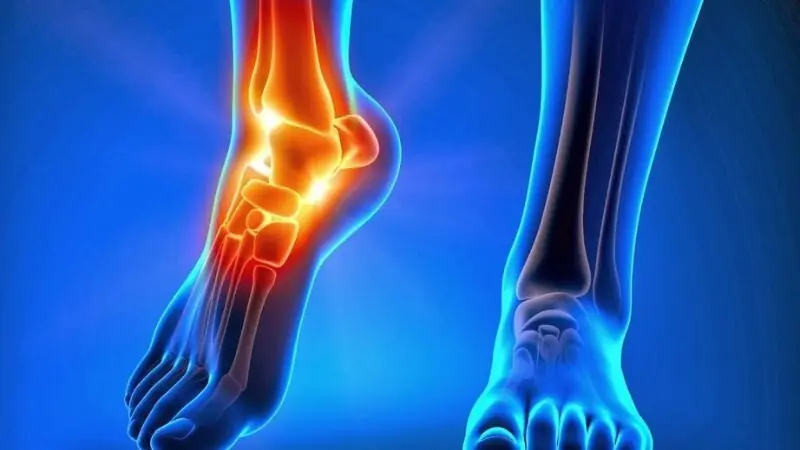
Gentle stretching before sleep can dramatically reduce cramp frequency.
Focus on:
Calves
Hamstrings
Feet
Even 5 minutes can make a difference.

Choosing the Right Time to Shower: What You Should Know

10 Symptoms That Could Be Worth Checking Out

5 Changes on Your Nose That Doctors Say You Should Never Ignore

This Everyday Meat Could Be Affecting Your Health More Than You Realize 👇

A Simple 2-Ingredient Remedy That Some People Use to Help Loosen Mucus

If You've Noticed Tiny White Spots on Your Arms or Legs, Read This First 👇

Doctors Say These Early Thyroid Signs Are Often Overlooked

This Symptom Seemed Minor—Until a 25-Year-Old Was Diagnosed With Stage 3 Colon Cancer...

What You Do Every Day Matters More to Your Heart Than You Think...

A Simple Allergy? That's What He Believed Until the Medical Tests Came Back...

If You Wake Up in the Morning and Feel These 4 Things, Your Kidneys May Be Under Stress

Spending Too Long on the Toilet With Your Phone Can Seriously Harm Your Health — Here Are 5 Real Dangers You Should Know

Alzheimer’s disease is one of the most challenging health issues of our time - a condition that slowly affects memory, thinking, and daily functioning. With no absolute cure yet, scientists around the world have been searching for lifestyle factors that

Drink Coffee This Way to Extend Lifespan and Stay Younger, Experts Say

Many people wonder about the meaning of the intriguing gesture of scratching the palm of another person’s hand, especially when it occurs between a man and a woman.

Cer.vical can.cer remains one of the leading cancers affecting women worldwide, but it is also one of the most preventable forms of can.cer, thanks to early detection through regular screening (Pap smears) and the availability of the HPV vaccine.

If you hear ringing, buzzing, hissing, or roaring sounds in one or both ears when no external sound is present, you may be experiencing tinnitus.

Cervical cancer is one of the most common cancers affecting women, yet it often develops silently in the early stages. Many women don’t notice clear symptoms until the disease has progressed.

Choosing the Right Time to Shower: What You Should Know

10 Symptoms That Could Be Worth Checking Out

5 Changes on Your Nose That Doctors Say You Should Never Ignore

The Simple 2-Tablespoon Trick That May Help Your Digestive System

This Everyday Meat Could Be Affecting Your Health More Than You Realize 👇

A 10-Second Fridge Adjustment That May Help Save Energy

A Simple 2-Ingredient Remedy That Some People Use to Help Loosen Mucus

If You've Noticed Tiny White Spots on Your Arms or Legs, Read This First 👇

Doctors Say These Early Thyroid Signs Are Often Overlooked

This Symptom Seemed Minor—Until a 25-Year-Old Was Diagnosed With Stage 3 Colon Cancer...

What You Do Every Day Matters More to Your Heart Than You Think...

A Simple Allergy? That's What He Believed Until the Medical Tests Came Back...

If You Wake Up in the Morning and Feel These 4 Things, Your Kidneys May Be Under Stress

Spending Too Long on the Toilet With Your Phone Can Seriously Harm Your Health — Here Are 5 Real Dangers You Should Know

Alzheimer’s disease is one of the most challenging health issues of our time - a condition that slowly affects memory, thinking, and daily functioning. With no absolute cure yet, scientists around the world have been searching for lifestyle factors that

Drink Coffee This Way to Extend Lifespan and Stay Younger, Experts Say

The Right Way to Wash Grapes: Most People Are Doing It Wrong

Many people wonder about the meaning of the intriguing gesture of scratching the palm of another person’s hand, especially when it occurs between a man and a woman.

Cer.vical can.cer remains one of the leading cancers affecting women worldwide, but it is also one of the most preventable forms of can.cer, thanks to early detection through regular screening (Pap smears) and the availability of the HPV vaccine.

If you hear ringing, buzzing, hissing, or roaring sounds in one or both ears when no external sound is present, you may be experiencing tinnitus.