One Warning Sign at Age 25 Led to a Stage 3 Colon Cancer Diagnosis: Why You Shouldn't Ignore Persistent Symptoms
For many people, colorectal cancer seems like a disease that only affects older adults. However, doctors around the world have seen a concerning rise in cases among younger people over the past two decades.
While most digestive symptoms are caused by far less serious conditions, persistent or unusual changes should never be ignored. Early detection remains one of the most effective ways to improve treatment outcomes.
A Growing Concern Among Young Adults

According to the American Cancer Society, colorectal cancer is becoming increasingly common in adults under the age of 50. Because younger people are often considered "low risk," symptoms may be mistaken for hemorrhoids, irritable bowel syndrome, food intolerance, or stress-related digestive issues.
This can sometimes delay diagnosis.
One Symptom Shouldn't Be Ignored
One of the most important warning signs is blood in the stool or rectal bleeding.
Although this symptom is frequently caused by hemorrhoids or anal fissures, it should always be evaluated by a healthcare professional—especially if it:
- Continues for more than a few days
- Happens repeatedly
- Is accompanied by abdominal pain
- Occurs alongside unexplained weight loss
- Is associated with changes in bowel habits
Never assume bleeding is "normal," particularly if it keeps coming back.
Other Possible Warning Signs
Colorectal cancer can present differently from person to person. Some possible symptoms include:
- Persistent diarrhea or constipation
- A lasting change in bowel habits
- Feeling that the bowel doesn't empty completely
- Narrow or pencil-thin stools
- Ongoing abdominal pain or cramping
- Unexplained fatigue
- Iron-deficiency anemia
- Unintentional weight loss
Having one or more of these symptoms does not necessarily mean someone has cancer. Many non-cancerous conditions can cause similar problems. However, symptoms that persist or worsen deserve medical evaluation.
Why Early Diagnosis Matters
When colorectal cancer is detected at an early stage, treatment is often more successful and may involve less extensive therapy.
If the disease is discovered after it has spread beyond the bowel, treatment can become more complex. That's why healthcare professionals encourage people not to ignore ongoing digestive symptoms simply because they are young.
Who Is at Higher Risk?

Several factors may increase the risk of colorectal cancer, including:
- A family history of colorectal cancer or certain inherited syndromes
- Inflammatory bowel diseases such as Crohn's disease or ulcerative colitis
- Obesity
- Physical inactivity
- Diets high in processed or red meats
- Smoking
- Heavy alcohol consumption
- Type 2 diabetes
However, some younger adults diagnosed with colorectal cancer have no obvious risk factors, making awareness of symptoms especially important.
Screening Saves Lives
The U.S. Preventive Services Task Force (USPSTF) recommends that adults at average risk begin regular colorectal cancer screening at age 45. People with higher risk factors may need to start earlier, depending on their medical and family history.
Screening options may include:
- Colonoscopy
- Stool-based tests
- CT colonography
- Flexible sigmoidoscopy
A healthcare provider can help determine the most appropriate screening method.
Listen to Your Body
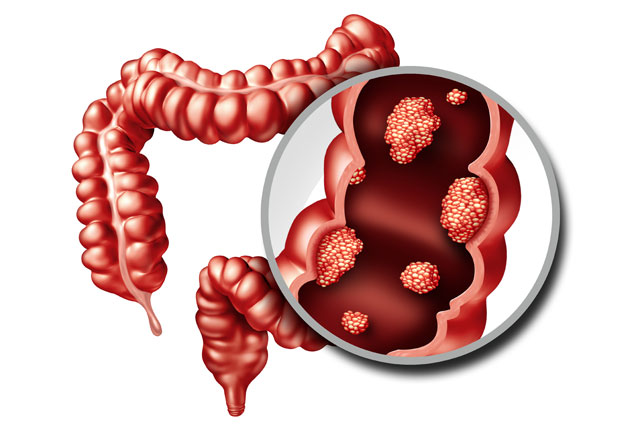
Your body often provides clues when something isn't right.
Most digestive complaints are not caused by cancer, but symptoms that persist, recur, or seem unusual shouldn't simply be dismissed because of age. Seeking medical advice early can help identify the cause—whether it's a minor condition or something that requires prompt treatment.
If you experience rectal bleeding, lasting changes in bowel habits, unexplained weight loss, or persistent abdominal discomfort, schedule an appointment with a healthcare professional rather than trying to self-diagnose.
Awareness doesn't mean assuming the worst. It means giving your health the attention it deserves.
Medical Disclaimer: This article is for educational purposes only and is not a substitute for professional medical advice, diagnosis, or treatment. If you have concerning symptoms, consult a qualified healthcare provider promptly.